
I once sat in a humid warehouse outside Goma, watching a shipment of life-saving vaccines sit on a pallet because the driver’s paperwork didn’t match the new biometric registry. The NGOs were busy celebrating their “digital transformation” milestones in glossy annual reports, but on the ground, the reality was much simpler: the system said the man didn’t exist, so the truck stayed parked. People talk about tech as if it’s a magic wand, but they rarely discuss the friction of how digital identity affects access when the server goes down or the fingerprint scanner fails in the dust. It isn’t about the elegance of the code; it’s about whether the person on the other end of the line actually gets what they were promised.
I’m not here to sell you on the utopian vision of a paperless world or the latest blockchain buzzwords. I want to talk about the mechanical reality of these systems—the glitches, the gatekeeping, and the very real ways a digital profile can become a barrier instead of a bridge. I will show you exactly where the logistics of identity meet the reality of the field, providing a no-nonsense breakdown of what happens when the digital key fails to turn the lock.
Table of Contents
Online Identity Verification Barriers Stand in the Way
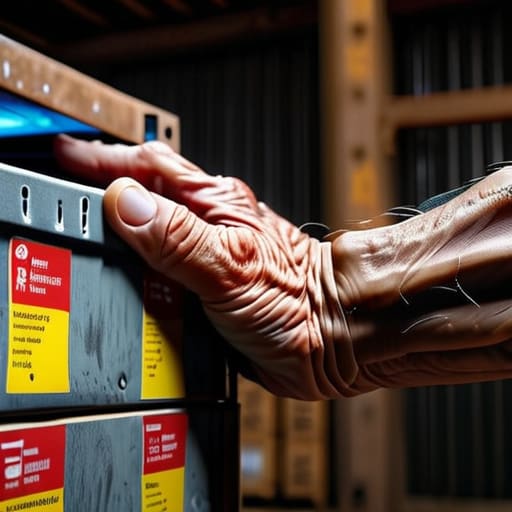
I’ve seen it happen in field offices from Goma to Juba: a shipment of vaccines sits in a warehouse because the recipient can’t prove they exist in a database. We talk about progress, but online identity verification barriers are often just new ways to build a wall. When a system requires a high-end smartphone or a stable 4G connection to verify a face or a fingerprint, it isn’t an innovation; it’s a filter. If you don’t have the hardware or the signal, you don’t exist to the system.
It isn’t just about the tech, either. There is a massive gap in digital literacy and service access that most developers in air-conditioned offices seem to ignore. You can deploy the most sophisticated biometric system in the world, but if the person standing in front of the sensor doesn’t understand why their thumbprint is being scanned, or if the sensor fails because of calloused hands or dust, the system breaks. We end up creating a loop where the most vulnerable are systematically excluded because they can’t navigate the digital hurdles required to claim what is already theirs.
The Socioeconomic Impact of Digital Identification Looms

I’ve seen this play out in the field: a new system is rolled out with a massive budget, promising to streamline everything, but on the ground, it just creates a new kind of wall. When we talk about the socioeconomic impact of digital identification, we aren’t talking about abstract sociology. We are talking about the person who can’t prove they exist because their fingerprint is worn down from manual labor, or the mother whose phone died halfway through a registration process. If the system requires a smartphone and a stable data connection to access basic subsidies, then the system isn’t a bridge; it’s a filter that keeps the most vulnerable at the bottom.
This isn’t just a technical glitch; it is a fundamental issue of digital literacy and service access. In my experience, when you digitize the gatekeeper, you bake existing inequalities into the code. If you don’t have the hardware or the knowledge to navigate the interface, you are effectively invisible to the state. We focus so much on the elegance of the software that we forget the digital divide and social inclusion are governed by who actually holds the device. A digital ID is only as useful as the person’s ability to use it without being exploited or ignored.
The digital bottleneck
I’ve seen aid convoys stalled for weeks because a single paper manifest was missing a stamp, but in the digital age, the bottleneck is invisible. If your identity doesn’t exist in the right database, you aren’t just overlooked—you effectively don’t exist to the systems designed to feed or treat you.
Yusuf Lindqvist
The Last Mile of the Digital ID

We have looked at the friction points: the verification loops that trap people in digital limbo and the socioeconomic divide that widens when a smartphone becomes a prerequisite for survival. At the end of the day, a digital identity system is just another piece of infrastructure, no different from a bridge or a warehouse. If the system is designed without considering the person standing in the dust with a dead battery and no signal, then it isn’t an advancement; it is just a newly automated barrier. We cannot mistake the elegance of a database for the actual delivery of service. The metrics that matter aren’t the number of profiles created, but the number of people who actually move through the system without being turned away at the digital gate.
Moving forward requires us to stop treating identity as a theoretical concept and start treating it as a logistical reality. We need to build systems that are as rugged and adaptable as the people they are meant to serve. It is not enough to have a high-tech solution if the last mile remains broken. If we get this right, we aren’t just digitizing records; we are ensuring that when the need arises, the resources actually reach the destination. The goal isn’t to create a perfect digital ledger, but to ensure that the gate finally opens for everyone.