I remember sitting in a dusty warehouse outside Lilongwe, staring at a mountain of imported maize that had just arrived at a price lower than what the local farmers were asking for their own harvest. The NGOs were talking about “food security” and “market stabilization,” but the reality on the ground was much simpler and much uglier: the local growers were being priced out of their own lives. People love to write long, academic papers on how agricultural subsidies affect poorer countries, treating it like a complex puzzle of macroeconomics. It isn’t a puzzle; it’s a supply chain ambush. When wealthy nations dump subsidized grain into global markets, they aren’t providing aid—they are effectively sabotaging the very people they claim to help.
I’m not here to give you a lecture on trade theory or the nuances of WTO compliance. I’ve spent nine years watching the actual movement of goods, and I know that the real story is found in the broken livelihoods left in the wake of cheap imports. In this piece, I’m going to strip away the diplomatic jargon and show you exactly how these financial levers in the West translate into empty pockets and failed harvests in the field.
Table of Contents
Market Distortion Effects That Kill the Local Harvest
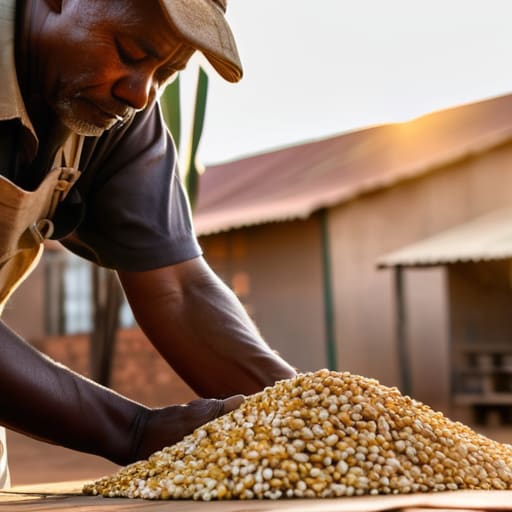
I once watched a cooperative in rural Zambia try to scale up their maize production after a particularly good season. They had the seed, the labor, and the drive. But then the market shifted. Suddenly, the local stalls were flooded with cheap, subsidized grain from overseas—the kind of stuff that arrives in massive, artificial waves because of import surges in developing economies. When the price of imported corn drops below the actual cost of local production, the math for a farmer stops making sense. You can’t compete with a government treasury that is footing the bill for your rival’s surplus.
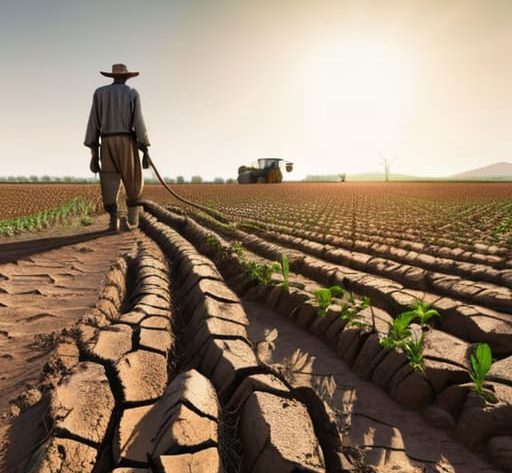
This isn’t just a theoretical problem discussed in a WTO briefing; it is a direct hit to smallholder farmer competition. When these subsidized goods hit the local market, they create a massive market distortion effect that hollows out the domestic agricultural base. I’ve seen it happen repeatedly: a farmer sells his equipment or stops planting because he simply cannot outprice a product that was never meant to be profitable in the first place. It turns a cycle of growth into a cycle of dependency, where the ability to feed a community becomes tethered to the whims of foreign trade policy rather than the strength of the local soil.
The Broken Promise of Developing Nation Food Security
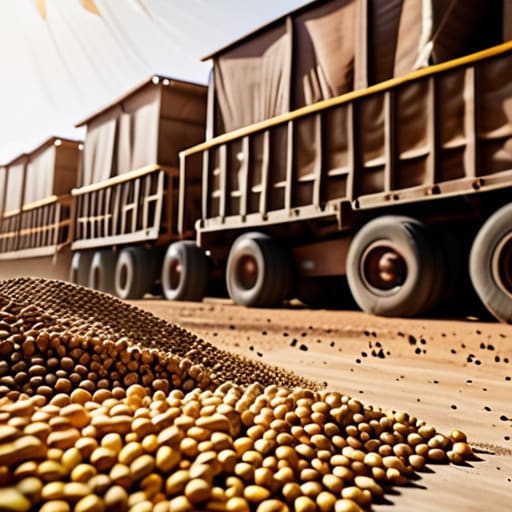
I spent three years coordinating grain shipments in South Sudan, and if there is one thing I learned, it is that a “surplus” in one hemisphere is often a death sentence for a producer in another. When massive amounts of subsidized grain hit the market, we see these sudden import surges in developing economies that make local production look like a losing game. I’ve sat in dusty warehouses watching locally grown maize rot because it simply cannot compete with the artificially low prices of dumped commodities. It isn’t a matter of being a better farmer; it is a matter of playing a rigged game where the opponent has an infinite bankroll.
This isn’t just a theoretical debate for academics in Geneva; it is a direct assault on developing nation food security. When a smallholder farmer realizes they can’t even cover the cost of their seeds because the market is flooded with cheap, foreign imports, they stop planting. They stop investing in their soil. They stop planning for next year. That is how you break a country’s self-reliance. You don’t do it with famine alone; you do it by dismantling the economic incentive to grow your own food, leaving a nation entirely dependent on a volatile global supply chain that may or may not show up when the crisis hits.
The Math of Misery
“You can print all the humanitarian aid checks you want in Geneva, but they don’t mean a damn thing if a subsidized shipment of American corn hits the local market at half the cost of what the village farmer spent on seeds. You aren’t helping them build a market; you’re subsidizing their bankruptcy.”
Yusuf Lindqvist
The Bottom Line
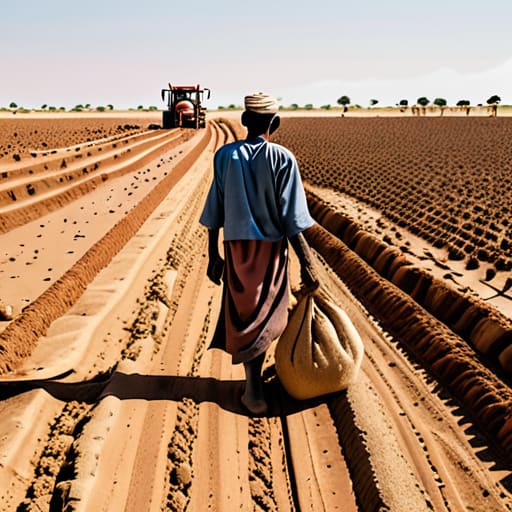
We can debate the nuances of trade policy in air-conditioned rooms in Geneva all we want, but the reality on the ground is much simpler. When subsidized grain from the West floods a local market, it doesn’t just lower prices; it erases the incentive for a local farmer to plant next season. We have seen the cycle repeat across dozens of border crossings: a sudden influx of cheap, artificial imports followed by a total collapse of local production capacity. The math doesn’t work. You cannot build a sustainable food system when the market is rigged against the very people who are supposed to be feeding their own communities.
If we want to talk about real food security, we need to stop looking at the massive aid budgets and start looking at the integrity of the supply chain. True development isn’t about sending a shipment of emergency grain when a famine hits; it is about ensuring the local farmer can actually sell their harvest at a price that keeps their lights on. We need to move past the sentimentality of the “handout” and focus on the hard, unglamorous work of leveling the playing field. Only when the local market can compete without being smothered by foreign subsidies will the real work of stability begin.