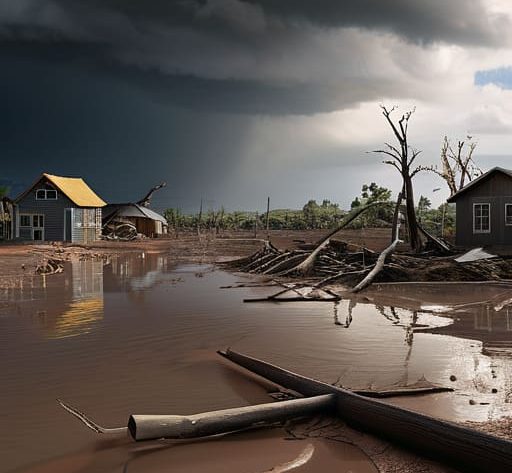
I remember standing on a mud-slicked ridge outside Goma in 2014, watching a convoy of white Land Cruisers idle because the bridge we’d budgeted for had simply vanished into a ravine. The NGOs in Geneva were busy debating the theoretical frameworks of climate policy, but on the ground, the math was much simpler and much more brutal. People talk about “loss and damage” like it’s a line item in a UN budget or a complex economic variable to be solved with a spreadsheet. They get it wrong. In the real world, when we talk about what loss and damage refers to, we aren’t talking about abstract climate modeling; we are talking about the permanent disappearance of a road, a school, or a way of life that no amount of “adaptation” can ever rebuild.
I’m not here to give you a lecture on international law or the nuances of COP negotiations. I’ve spent too many years tracking cargo manifests to care about the political theater. Instead, I’m going to strip away the jargon and tell you how this actually functions when the supply chain breaks. I will show you the difference between what is lost and what can be replaced, and why the true cost is rarely found in the official reports.
Table of Contents
Counting the Rubble Versus the Economic Impacts of Climate Disasters
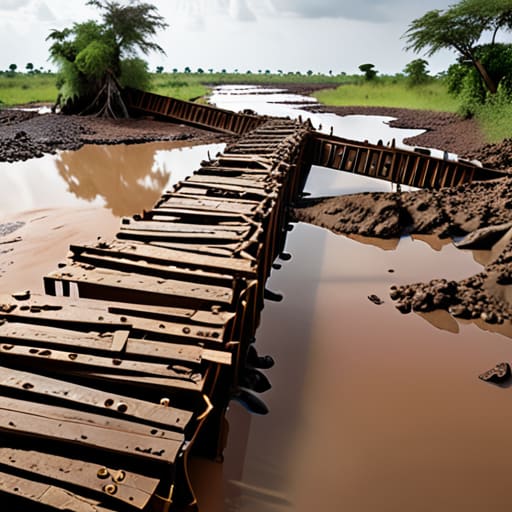
In the conference rooms where global climate finance policy is debated, people talk about GDP percentages and infrastructure replacement costs. They treat the economic impacts of climate disasters like a spreadsheet error that needs balancing. But when I was sitting in a warehouse in South Sudan, the math looked different. You don’t measure a flood by the percentage of lost regional output; you measure it by the fact that the bridge is gone and the supply chain for basic antibiotics has effectively snapped.
There is a massive gap between what a spreadsheet says and what a community actually loses. This is the core of non-economic loss and damage. You can calculate the cost of a destroyed grain silo, but you can’t put a line item on the loss of ancestral burial grounds or the psychological weight of a community that has been displaced for the third time in a decade. These aren’t just “intangibles”—they are the things that break a society’s ability to recover. While the world argues over the mechanics of the COP27 loss and damage fund, the reality on the ground is that you cannot rebuild a culture with a wire transfer.
The Ghosts Left Behind in Non Economic Loss and Damage
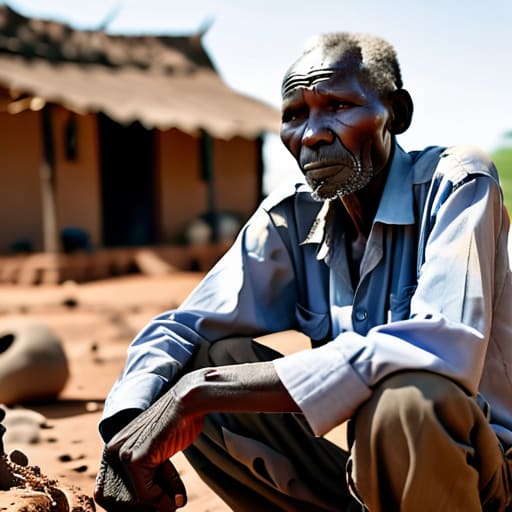
When I was moving medical supplies through the South Sudan border, I saw things that no spreadsheet could ever capture. You can calculate the cost of a destroyed warehouse or a washed-out bridge, but you can’t put a price on the loss of a community’s ancestral burial ground or the sudden, quiet disappearance of a traditional way of life. This is the reality of non-economic loss and damage. It is the intangible erosion of culture and identity that happens when a village is forced to relocate because the soil no longer holds water.
The current debates around the COP27 loss and damage fund often focus heavily on quantifiable assets—rebuilding infrastructure or replacing livestock. While that money is vital, it fails to address the psychological scarring and the severance of social ties that occur when a landscape is permanently altered. You can provide a family with a new tent and a clean water kit, but you cannot provide them with the sense of belonging they had in their original home. In my experience, the hardest part of any disaster isn’t just the physical reconstruction; it is the silent, permanent loss of the social fabric that once held a community together.
The math of the aftermath
Policymakers love to debate the decimal points of GDP loss, but in the field, loss and damage isn’t a spreadsheet entry; it’s the reality of a bridge washed out that means the vaccine cold chain is broken and the supplies are sitting in a warehouse fifty miles from the people who need them.
Yusuf Lindqvist
The Reality on the Ground

At the end of the day, loss and damage isn’t a theoretical debate for a boardroom in Geneva; it is the gap between a spreadsheet and a reality. We have looked at the hard numbers—the destroyed infrastructure and the plummeted GDP—but we have also seen the unquantifiable erosion of culture and community that no insurance policy can touch. Whether it is a broken bridge that severs a supply chain or the loss of ancestral lands to rising tides, these aren’t just data points. They are systemic failures that represent the true cost of a changing climate, far beyond what any single relief fund can cover.
Moving forward, we have to stop treating these disasters as mere outliers in a budget report. If we want to actually address loss and damage, we have to stop looking at the total amount of aid promised and start looking at the integrity of the delivery. The goal shouldn’t be to simply fund the recovery, but to ensure that the tools, the food, and the medicine actually reach the people who have lost everything. The real measure of success isn’t found in a successful fundraising campaign; it is found in the arrival of the truck when the road is at its worst.