I once spent three weeks in a dusty transit hub outside Goma, waiting for a shipment of antibiotics that the official manifests said had already cleared customs. While the NGOs in the air-conditioned offices were busy debating high-level theories on what the informal economy is, the actual medicine was moving through a network of local motorcycle riders and unregistered warehouse owners who didn’t exist on any government spreadsheet. To the academics, that system is a “structural deficit” or a “regulatory gap,” but to anyone who has actually tried to move goods across a border, it is simply the only way things get done.
I’m not here to give you a textbook definition or a lecture on macroeconomic volatility. My goal is to strip away the jargon and show you how these invisible systems actually function on the ground. I will tell you exactly how these networks operate, why they are often more resilient than the formal state, and why your understanding of global trade is likely missing the most important part of the equation.
Table of Contents
The Shadow Economy Characteristics That Actually Matter

When I was coordinating supply lines through the DRC, I learned that the textbooks are useless. Economists love to debate the impact of informality on GDP, but they aren’t the ones watching a truck get diverted at a checkpoint. To me, the real shadow economy characteristics aren’t found in a spreadsheet; they are found in the absence of a paper trail. It’s the transaction that happens in the dust, where no receipt is issued, no VAT is collected, and no central authority knows the exchange took place. This lack of documentation isn’t a “glitch”—it is the fundamental architecture of the system.
The distinction between the informal sector vs formal sector isn’t just about legal status; it’s about visibility. In a formal system, you have a predictable flow: a manifest, a signature, a delivery. In the shadow economy, you have unpredictability. You have people working without contracts, moving goods through channels that don’t exist on any official map. If you want to understand how a community actually functions, stop looking at the registered businesses in the capital. Look at the unregulated labor market that keeps the local market running when the official supply chains inevitably break down.
Defining the Informal Sector vs Formal Sector Boundaries Much Deeper
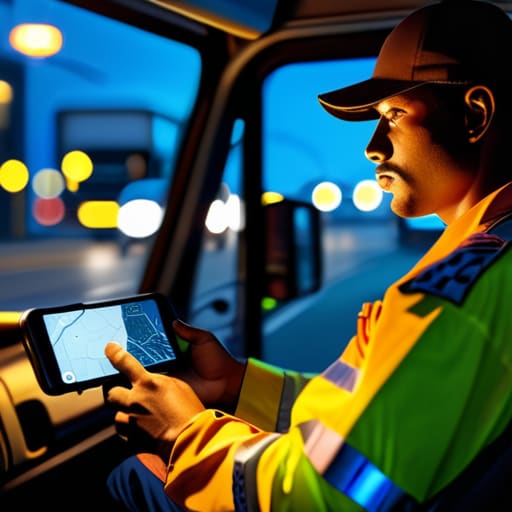
The line between the formal and informal sectors isn’t a clean break; it’s a smudge. In my experience, people try to draw a hard boundary based on whether a business is registered with a central authority or pays corporate tax. That’s a bureaucrat’s view. On the ground, the distinction is much messier. You have a driver who is officially employed by a logistics firm, but he’s running a side hustle delivering private cargo on his return trips to avoid empty miles. Is he part of the formal economy or the unregulated labor market? He’s both. The boundary isn’t a wall; it’s a spectrum of visibility.
The real friction occurs where the state’s reach ends and the street begins. When we talk about the informal sector vs formal sector, we aren’t just discussing paperwork; we are discussing the reliability of the supply chain. A formal contract offers legal recourse, but in many regions I’ve worked in, a handshake and a cash payment move goods faster than any government-stamped permit ever could. The socioeconomic implications of informal work are often ignored because they don’t show up in a neat spreadsheet, but for the person trying to move a pallet of antibiotics across a border, the legal status of the transaction matters far less than the actual movement of the goods.
Forget the spreadsheets
You can read a thousand white papers on the structural nuances of the informal sector, but none of them will tell you how a community actually survives. The informal economy isn’t some theoretical gap in the tax code; it is the guy with the handcart moving grain through a checkpoint that doesn’t exist on any official map, ensuring the calories actually reach the destination.
Yusuf Lindqvist
The Bottom Line

If you’ve followed my reasoning, you know I have no interest in the academic fluff that usually litters these discussions. We have moved past the textbook definitions and looked at the actual mechanics: the blurred lines between what is registered and what is simply functional, and the specific characteristics that allow these systems to bypass traditional bureaucracy. Whether it is a vendor operating without a permit or a complex network of unregistered distributors, the reality remains the same. The informal economy isn’t a glitch in the system; it is the primary engine of survival for millions who exist outside the reach of official state infrastructure.
Stop looking for the economy in the quarterly reports of central banks or the polished data of international agencies. If you want to understand how a community actually breathes, you have to look at the transactions happening in the dust, away from the light of official oversight. The true measure of economic health isn’t found in a tax ledger, but in the resilience of the networks that keep goods moving when the formal systems fail. My advice is simple: stop measuring the shadow and start observing the people who have learned to thrive within it.