
I remember sitting in a humid, dust-choked warehouse outside Goma, staring at a manifest for three tons of antibiotics that were technically “on site” according to the regional office, but nowhere to be found on the actual shelves. People think that learning how to report from a place you do not know is about mastering a high-end satellite uplink or capturing the perfect, sweeping shot of a refugee camp for a fundraising gala. It isn’t. It’s about the granular reality of the ground truth. If you spend your time chasing the aesthetic of a crisis instead of verifying the movement of the actual resources, you aren’t reporting; you’re just decorating a tragedy.
I am not here to give you a lecture on journalistic ethics or how to pack a professional camera bag. I’m going to show you how to strip away the noise and find the functional facts. We are going to focus on the mechanics of information: how to track the movement of goods, how to verify a source when the local infrastructure is non-existent, and how to ensure your story reflects whether the help actually arrived. This is about logistical accuracy, not sentiment.
Table of Contents
On the Ground Reporting Best Practices When the Map Fails
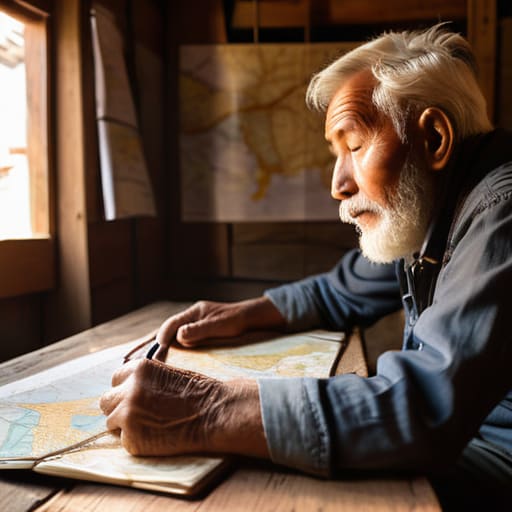
When the GPS goes dark and the local maps are nothing more than outdated sketches, you stop looking at the topography and start looking at the people who move through it. In my experience, the most reliable data isn’t found in a satellite image; it is found by building trust with local informants who know which roads are washed out and which ones are being held by local militias. You don’t ask them about the politics first. You ask them about the movement of goods, the availability of fuel, and the status of the bridges. If you can’t confirm the physical reality of the route, your story is just speculation.
This is where the real work of verifying sources in unknown territories begins. You have to cross-reference everything. If a local contact tells you a warehouse was looted, you don’t just write it down and move on. You look for the secondary signs: the empty trucks, the sudden shift in local market prices, or the silence from the usual radio frequencies. People will tell you what they think you want to hear to get you moving, but the logistics of the truth are always found in the friction—the delays, the broken axles, and the missing manifests.
Navigating Unfamiliar Cultural Contexts Without Breaking the Rhythm
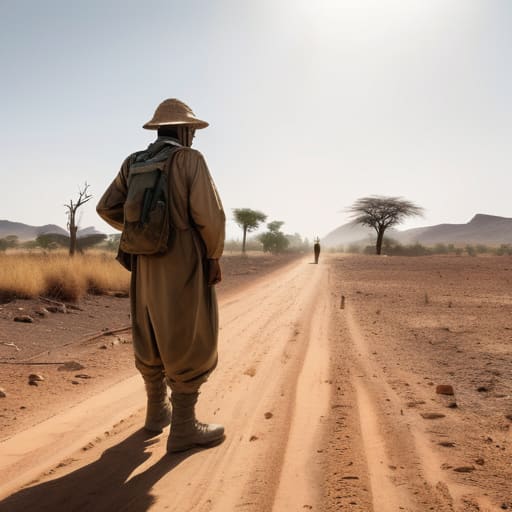
When I was moving medical supplies through the Kivus, I learned quickly that a misunderstanding of local protocol doesn’t just stall a meeting; it kills the supply chain. Reporting is no different. You aren’t there to be a tourist or a cultural anthropologist; you are there to get the facts. The mistake most people make is trying to force a connection through superficial politeness. Real navigating unfamiliar cultural contexts isn’t about knowing the local dance or the history of the monarchy; it’s about understanding the unspoken hierarchy of access. If you don’t know who actually controls the road—whether it’s the local chief or a specific militia commander—you are just noise.
You have to balance your curiosity with a strict sense of utility. I’ve seen reporters get so caught up in the “vibe” of a village that they miss the fact that the primary source is only talking because they want something in return. This is where building trust with local informants becomes a logistical challenge rather than a social one. You don’t need them to like you, but you do need them to believe you are predictable. If you act like a chaotic element, they will feed you chaos. Keep your interactions transactional, consistent, and brief. The goal is to extract the truth without becoming part of the local drama.
The difference between a story and a statistic
Most reporters arrive looking for the “human interest” angle, chasing the tears and the sunset. But if you want to know what’s actually happening, stop looking at the faces and start looking at the roads. A beautiful interview tells you how people feel; a verified delivery note tells you if they’re going to survive the week.
Yusuf Lindqvist
The Bottom Line
At the end of the day, reporting from an unknown territory isn’t about the sweeping vistas or the emotional weight of the crisis. It is about the granular details that prove the system is functioning—or failing. You have to look past the surface-level narratives and focus on the functional reality: Did the bridge hold? Did the local authorities facilitate the movement, or did they stall it? If you aren’t checking the logistical integrity of the story, you aren’t reporting; you’re just describing a scene. Stick to the facts that can be verified by a manifest or a timestamp, because that is where the truth actually lives.
I have spent years watching people mistake a well-written appeal for actual progress. A beautiful story about a village can be written in an hour, but knowing whether the cold chain for those vaccines remained intact requires actual work. Don’t be seduced by the sentiment of the moment. Your job is to be the person who asks if the wheels are actually turning. If you can bridge the gap between the high-level rhetoric and the ground-level reality, you will provide something far more valuable than a headline: you will provide the truth.