
I spent nine years watching NGOs pour millions into “community engagement” workshops that produced nothing but glossy brochures and empty sentiment. They’ll tell you that finding information requires complex ethnographic studies or expensive consultancy firms, but that is a lie designed to drain a budget. If you want to know the truth about whether a shipment of vaccines actually hit the clinic, you don’t look at a press release; you learn how to find local sources who were actually standing in the dust when the truck arrived. Real information isn’t found in a boardroom; it’s found at the tea stall or the mechanic’s workshop where the actual work gets done.
I am not here to give you a theoretical framework or a list of digital tools that will fail the moment the electricity goes out. I am going to show you how to identify the people who hold the physical reality of a situation in their hands. We are going to skip the academic fluff and focus on the practical mechanics of building a network that provides verifiable facts rather than just stories. If you want to know what is actually happening on the ground, you have to stop looking at the map and start looking at the people who move the cargo.
Table of Contents
Mastering on the Ground Reporting Techniques
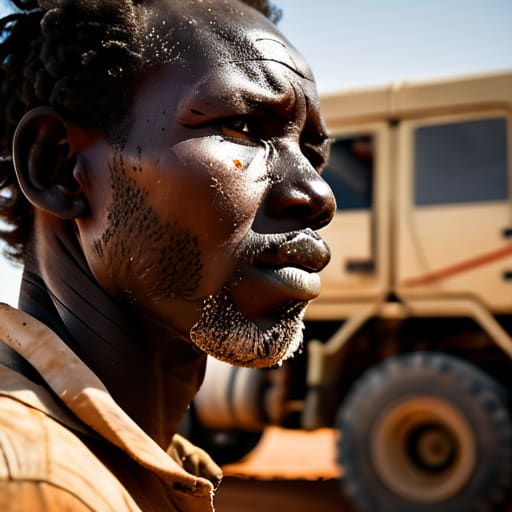
When I was managing supply lines in South Sudan, I learned that the most accurate data didn’t come from the regional office; it came from the guy at the fuel depot. If you want to master on-the-ground reporting techniques, you have to stop looking for “experts” in air-conditioned offices and start looking for the people whose daily survival depends on the movement of goods. You aren’t looking for a polished interview; you are looking for the person who saw the truck pull in, saw which tires were flat, and knows exactly which checkpoint held it up for six hours.
The real work lies in vetting local contacts through trial and error. You don’t build a network by sending formal emails; you build it by showing up, staying consistent, and proving you aren’t just there to extract a story and leave. I used to keep a mental log of every driver and warehouse clerk I met—not for the sentiment, but to know who actually told the truth when the weather turned. Reliability isn’t about a person’s credentials; it’s about whether their information matches the physical reality of the terrain. If the manifest says the medicine arrived, but the local pharmacist says the shelves are empty, trust the pharmacist every single time.
The Art of Community Based Information Gathering

You don’t find the truth by sitting in a hotel lobby in the capital and calling around. If you want the real story, you have to understand that information in a crisis doesn’t flow through official channels; it flows through the people who are actually standing in the mud. Effective community-based information gathering isn’t about a structured interview process; it’s about knowing who the gatekeepers are. In my experience, that might be the person running the local pharmacy or the driver who knows which roads are actually washed out. You aren’t looking for a spokesperson; you are looking for the person who saw the crates being unloaded at 3:00 AM.
The real work is in vetting local contacts before you actually need them. I learned early on that a source who is too eager to please you is often a source who is telling you what they think you want to hear. You need to cross-reference. If one person says the grain arrived, ask three others who weren’t part of that same social circle. Reliability is a matter of triangulation. If the stories don’t align, the story isn’t ready. Don’t mistake a friendly face for a factual one; sometimes the most useful person in the village is the one who stays quiet and just watches the trucks go by.
Forget the press release
Stop looking for the person with the official title and the clean clipboard; they’re usually just reading from a script written in a capital city. If you want the truth, find the person standing by the weighbridge or the one waiting at the fuel depot. They’re the ones who actually know if the goods arrived or if the paperwork is just a ghost.
Yusuf Lindqvist
The Logistics of Truth
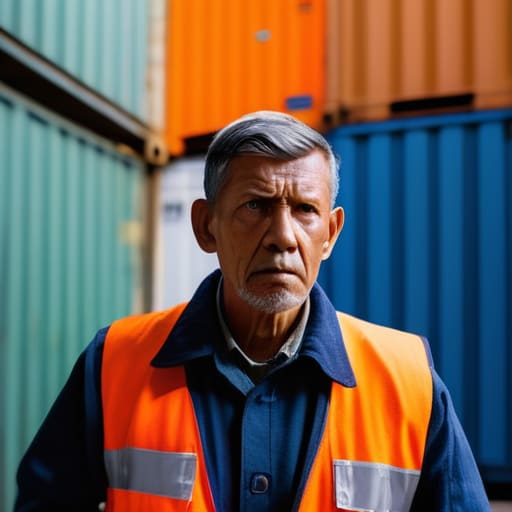
At the end of the day, finding local sources isn’t about having a massive contact list or a fancy database. It is about understanding the mechanics of how information actually moves through a community. You have to move past the high-level summaries and the official statements from headquarters. If you want the truth, you look for the people standing at the checkpoints, the ones managing the warehouses, and the individuals who saw the delivery fail or succeed in real-time. It is a process of verifying the movement of facts rather than just collecting quotes. If you don’t check the actual delivery of the story, you’re just another person repeating a manifest that was never actually filled.
Don’t get distracted by the grand narratives or the emotional appeals that make for easy reading. Those are just the numbers on the invoice. Real reporting happens when you stop looking at the map and start looking at the road. The most important part of your job is to ensure that what you are telling the world matches the physical reality on the ground. When you finally find that source—the one who can tell you exactly why the shipment stalled or where the supplies actually went—you aren’t just writing a story. You are documenting the unfiltered mechanics of reality. That is where the real work begins.