
I spent a decade in South Sudan watching people mistake a well-composed photo for a successful operation. I’ve seen donor reports filled with “inspiring” shots of smiling children that tell you absolutely nothing about the actual status of the supply chain. Most people think learning how to caption a photograph accurately is about poetic adjectives or capturing the “spirit” of a moment, but that is just marketing fluff. If a photo shows a new clinic, the caption shouldn’t tell me how hopeful the atmosphere is; it should tell me if the cold chain for the vaccines actually held during transit.
I’m not here to teach you how to write prose that wins awards or pulls at heartstrings. I am going to show you how to strip away the sentiment and provide the hard data that a picture actually represents. We are going to focus on the mechanics: the who, the what, the location, and the technical reality of the scene. By the end of this, you will know how to provide information that actually matters to the person reading it, rather than just adding noise to the feed.
Table of Contents
Identifying Subjects in Photos Without the Fluff
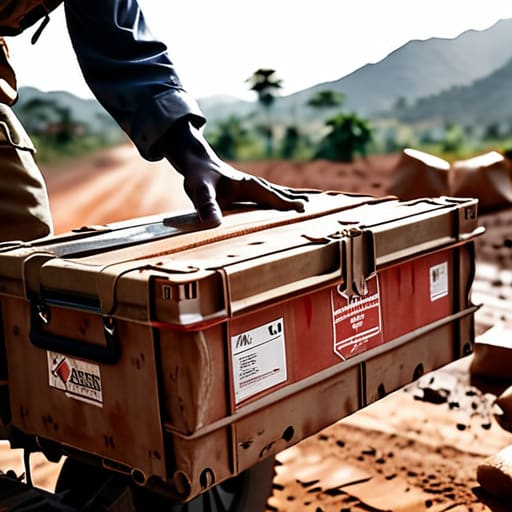
When I was coordinating convoys through the South Kivu provinces, a photo of a broken axle was worth more than a thousand words about “resilience.” To get that right, you have to stop looking for the emotion and start identifying subjects in photos by their utility. If there is a person in the frame, I don’t care if they look “hopeful” or “despairing”—those are adjectives for poets, not for records. I need to know if that is a local warehouse manager or a volunteer, and exactly what they are holding. If they are holding a crate of vaccines, the caption needs to state the batch number or at least the specific type of cold-chain equipment visible.
The goal here is avoiding subjective bias in captions by sticking to the inventory of the frame. You aren’t there to interpret the mood; you are there to document the scene. If you see a crowd, don’t call them “suffering refugees.” Tell me if they are waiting at a distribution point or crossing a specific border crossing. When you focus on describing visual elements—the brand of the truck, the condition of the road, the specific tools in use—you create a record that actually holds weight. Anything else is just noise.
Describing Visual Elements to Prove the Cargo Exists

When I was coordinating supply lines in South Sudan, a photo of a pile of grain meant nothing if I couldn’t see the seal on the bags. If you are describing visual elements for a report or a field update, stop focusing on the lighting or the “hopeful” expression of a recipient. That is noise. I need to see the brand of the packaging, the quantity of the pallets, and whether the tarp is actually secured. If the image shows a truck, I don’t want to hear about the sunset; I want to know if the tires are muddy or if the chassis is loaded to capacity.
Precision is how you maintain avoiding subjective bias in captions. If a photo shows a medical kit, don’t call it “life-saving equipment.” That’s an opinion. Call it “ten Type-O blood refrigeration units, model X, partially unboxed.” You are providing the evidence that the inventory moved from point A to point B. In my experience, the difference between a successful mission and a lost shipment is often found in the small, granular details that most people overlook because they are too busy looking for the “human interest” angle. Verify the contents through the lens.
The gap between the image and the inventory
A caption shouldn’t be an attempt to evoke sympathy; it should be a record of verification. If the photo shows a crate of vaccines, I don’t care if the lighting is dramatic—I want the caption to tell me the serial numbers are visible and the cold chain wasn’t broken before the shutter clicked.
Yusuf Lindqvist
The Final Manifest

At the end of the day, accurate captioning isn’t about being poetic; it is about building a reliable record. You have learned to strip away the emotional adjectives and focus on the mechanics: identifying the specific subjects, documenting the visual evidence of the cargo, and ensuring the context matches the reality on the ground. If you spend your time describing the “hopeful smiles” of a crowd instead of the serial numbers on the crates or the condition of the access road, you aren’t documenting—you are performing. A caption should serve as a verifiable data point, not a piece of marketing collateral designed to trigger a donation.
I have spent too many years watching beautiful, high-resolution photos of aid being distributed, only to find out later that the actual supplies were sitting in a warehouse three hundred kilometers away because the paperwork was a mess. Don’t let your documentation be part of that mess. When you write a caption that is precise, sober, and grounded in what is actually visible, you are contributing to the integrity of the entire chain. The goal isn’t to make people feel something; the goal is to prove the work was done. Keep your eyes on the details, and let the facts speak for themselves.