
I spent nine years watching NGOs pour millions into “capacity building” workshops that did nothing but burn through donor funds while the actual people on the ground remained invisible. In the humanitarian sector, we have this habit of treating local expertise like a line item rather than the engine of the whole operation. When it comes to media, I see the same pattern: international outlets swoop in, scoop up a story, and then treat the person who actually braved the checkpoint to get the footage as an afterthought. If you aren’t figuring out how to credit local journalists with actual weight, you aren’t “reporting”—you’re just harvesting.
I’m not here to give you a lecture on journalistic ethics or some high-minded theory from a university seminar. I’m going to show you the practical, ground-level mechanics of doing it right. We’ll skip the fluff and focus on the logistics of attribution: making sure names are spelled correctly, ensuring credit isn’t buried in a footnote, and respecting the chain of custody for information. This isn’t about being polite; it’s about making sure the person who actually delivered the story gets the recognition they earned.
Table of Contents
Beyond the Headline the Weight of Proper Journalistic Attribution

In my years moving supplies through the Kivus, I learned that a manifest isn’t just a piece of paper; it is a chain of custody. If the paperwork is wrong, the cargo doesn’t move, or worse, it ends up in the wrong hands. Information works the same way. When an international outlet picks up a story from a local correspondent without proper journalistic attribution, they aren’t just being lazy; they are breaking the chain of custody. They are taking the “cargo”—the hard-won truth—and stripping away the person who actually navigated the terrain to find it.
It isn’t about vanity or ego. It is about respecting reporter intellectual property as a matter of professional survival. In many of the regions where I worked, a journalist’s reputation is their only real asset. If you strip their byline to make a headline more “globally digestible,” you are devaluing the very source you rely on. We talk a lot about media ethics and bylines in high-rise offices, but on the ground, it’s simpler: if you didn’t do the legwork, you don’t get to claim the credit. You cite the source, you acknowledge the risk they took, and you keep the record straight.
Respecting Reporter Intellectual Property Is the Fuel in the Tank
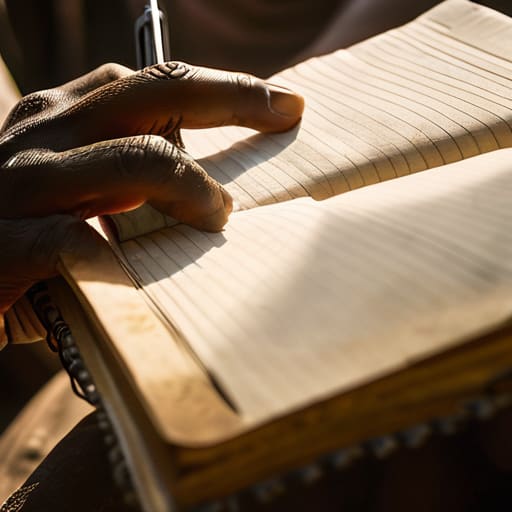
In my years coordinating convoys through the Kivus, I learned that if you don’t account for the fuel, the truck stops moving. In the media ecosystem, respecting reporter intellectual property is that fuel. You can have the most polished editorial strategy in the world, but if you are stripping the names off the people doing the groundwork to make your content look “original,” you are essentially running an engine on empty. When an international outlet pulls a story from a local correspondent without providing clear credit, they aren’t just being lazy; they are draining the very resources that allow that reporter to stay in the field.
It isn’t about following a handbook of media ethics and bylines just to check a box for a compliance officer. It’s about the mechanics of sustainability. If a local journalist provides the raw, dangerous truth from a remote district, they deserve to own that output. When we talk about proper journalistic attribution, we are talking about the currency that allows a local professional to prove their worth to the next client. If you take the data but kill the credit, you eventually find yourself in a desert with no one willing to tell you where the water is.
The cost of a name
If you strip a reporter’s name from a story to make it feel more ‘universal,’ you’re doing the same thing as a middleman skimming off a shipment of antibiotics—you’re taking the value from the person who actually did the heavy lifting and leaving nothing but a hollow shell behind.
Yusuf Lindqvist
The Final Manifest

At the end of the day, crediting local journalists isn’t about following a style guide or ticking a box for an ethics committee. It is about the supply chain of information. If you strip a reporter of their name, you are essentially stripping the cargo of its origin, making the data untraceable and the source invisible. We have talked about intellectual property and the weight of attribution, but the reality is simpler: proper credit is the only way to ensure the integrity of the entire operation. Without it, you aren’t reporting on a reality; you are just moving empty crates.
I spent years making sure medicine reached the clinics, and I learned that you don’t get credit for the shipment—you get credit for the fact that the medicine is actually there when the doors open. Journalism works the same way. When we give local voices their due, we aren’t just being polite; we are building a reliable infrastructure of truth that can withstand the next crisis. Don’t let the story get lost in the transit. Make sure the person who actually navigated the terrain is the one whose name is on the manifest.