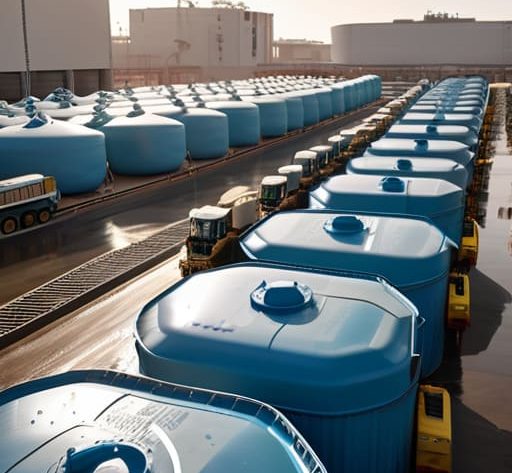
I remember sitting in a dusty office in Goma, staring at a glossy fundraising brochure that promised “transformative water solutions” through high-tech filtration systems. It was beautiful, expensive, and completely useless because the road to the settlement had been washed out by the rains three days prior. People talk about the science of purification or the politics of resource allocation, but they miss the point: when you are looking at how water is supplied in an emergency, the most advanced filter in the world is just a heavy piece of scrap metal if it’s stuck in a warehouse five hundred kilometers away.
I’m not here to give you a lecture on hydraulic engineering or the nuances of international policy. I’ve spent nine years tracking manifests and arguing with truck drivers, and I know that the reality of humanitarian aid is found in the movement of goods, not the sentiment of a campaign. In this post, I’m going to strip away the jargon and show you the actual, gritty mechanics of the supply chain. We are going to talk about the broken axles, the fuel shortages, and the unfiltered reality of getting a single drop of water to the people who actually need it.
Table of Contents
Mobile Water Tankers and the Weight of Momentum
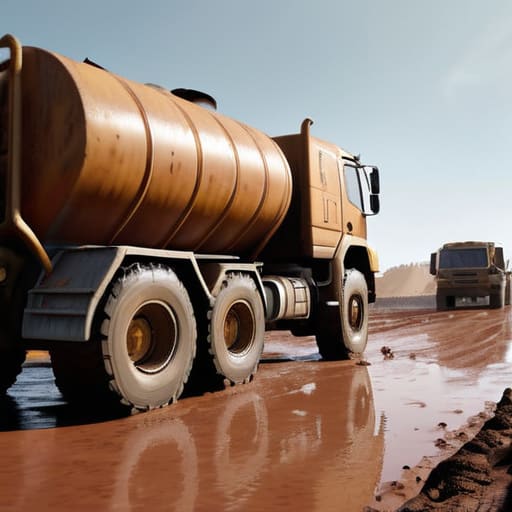
When you’re looking at a map of a displacement camp, you don’t see people; you see a massive, moving deficit. Once the initial borehole drilling fails or the local wells turn brackish, the entire operation shifts to mobile water tankers. These trucks are the lifeblood of disaster relief water supply, but they are also a logistical nightmare. They aren’t just vehicles; they are heavy, rolling containers of liquid weight that demand a specific kind of momentum. If a truck gets stuck in a seasonal mud track or a broken axle holds up a convoy, the math changes instantly. You aren’t just losing time; you are losing liters per person, per day.
I’ve seen how the weight of that momentum works in real-time. It isn’t about the high-level strategy discussed in Geneva; it’s about the fuel consumption, the tire pressure, and the constant battle against gravity and friction. Every time a tanker rolls into a site, it carries the pressure of a thousand people waiting at the perimeter. You can have the most advanced potable water purification methods sitting in a warehouse in a capital city, but if the road is washed out, those machines are just expensive scrap metal. In this business, momentum is the only thing that keeps the thirst at bay.
The Brutal Reality of Emergency Water Distribution Logistics
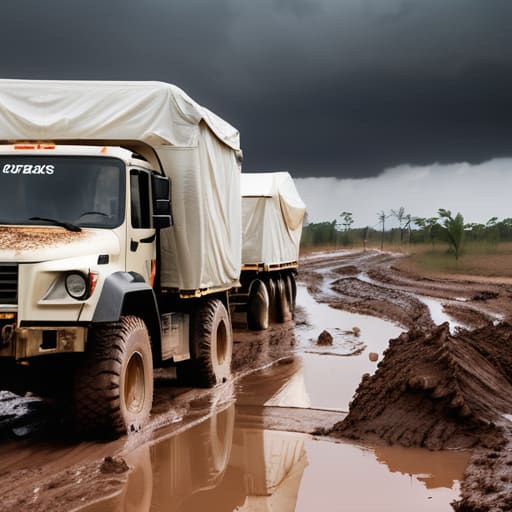
The spreadsheets in the HQ office will show you a line item for “disaster relief water supply,” but they won’t show you the mud. In the field, emergency water distribution logistics isn’t about procurement cycles; it’s about the physical struggle of moving thousands of liters through terrain that wants to swallow your axles. I’ve spent nights staring at a manifest, knowing that if a single axle snaps on a washed-out track, the entire distribution schedule for a camp of ten thousand people collapses. You don’t measure success by the volume of the contract, but by the actual liters per person that make it past the perimeter fence.
Once the trucks actually reach the site, the chaos shifts from transport to the sheer mechanical difficulty of distribution. You aren’t just handing out bottles; you are managing a high-stakes interface between broken infrastructure and desperate demand. Whether we are setting up bladder tanks or trying to implement rudimentary potable water purification methods on the fly, the bottleneck is always the same: the physical interface. If the taps clog or the pump fails, the entire logistical chain behind you becomes a useless pile of expensive hardware. It doesn’t matter how much water you have in reserve if you can’t get it into the jerrycans.
The metric of success
You can read all the donor reports you want about ‘community resilience’ and ‘sustainable impact,’ but none of that matters when a camp is swelling by five hundred people a day. In an emergency, there is no such thing as a success story until the seal on the tanker is broken and the water actually hits the ground.
Yusuf Lindqvist
The Final Metric
At the end of the day, emergency water supply isn’t about the sophisticated hydraulic modeling or the high-level procurement contracts signed in Geneva. It comes down to the physical reality of the supply chain: the fuel availability for the tankers, the integrity of the bladder tanks, and the mechanical reliability of the pumps in the field. We talk about “water security” in humanitarian seminars, but on the ground, security is simply the successful movement of cubic meters from a source to a human being. If the trucks are stuck in the mud or the borehole drill bit snaps, the logistical failure is absolute, regardless of how much funding was allocated to the response.
I have spent enough years staring at cargo manifests to know that sentimentality doesn’t hydrate a population. People don’t need a well-crafted press release about our commitment to dignity; they need a steady flow of liters per person per day. My advice to anyone looking at this sector is to look past the glossy brochures and follow the movement of the assets. True impact isn’t measured by the amount of money raised in an appeal, but by the consistency of the delivery. In this business, the only metric that truly holds weight is whether the water actually arrived.