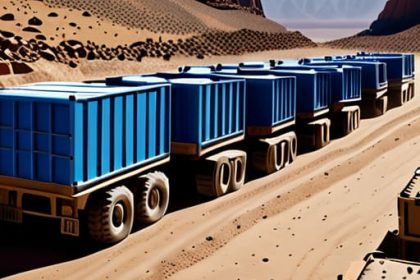
I spent three years in South Sudan watching people argue over high-level economic theories while I was busy trying to figure out why a shipment of high-protein biscuits was rotting in a humid warehouse because the local market had actually stabilized. Donors love to get lost in the academic debate of how in kind aid compares with cash, treating it like a theoretical math problem. But when you’re standing in a dust cloud watching a convoy struggle against a washed-out road, the debate isn’t about liquidity ratios or market distortions; it’s about whether the actual goods are physically present when the hunger hits.
I’m not here to give you a lecture on macroeconomics or repeat the polished talking points from a glossy NGO annual report. I want to talk about the reality of the ground: the broken supply chains, the local vendor reliability, and the sheer, stubborn physics of moving weight across a border. I will show you the unvarnished truth of when a digital transfer is a lifeline and when a crate of actual supplies is the only thing that matters.
Table of Contents
The Logistics of Survival and Aid Distribution Efficiency

When I was managing warehouses in South Sudan, the debate over aid distribution efficiency wasn’t academic; it was a matter of fuel consumption and axle loads. If you choose in-kind aid, you aren’t just buying grain; you are committing to a massive, physical chain of custody. You need the trucks, the security escorts, the cold chain for vaccines, and the sheer manpower to offload tons of sacks in a rainstorm. Every kilometer of road adds a layer of risk. If a bridge washes out, your entire supply line vanishes, regardless of how much was budgeted in Geneva.
On the other hand, shifting toward market-based programming effectiveness changes the entire math of the mission. Instead of me worrying about whether a convoy can bypass a militia checkpoint, we look at whether the local market actually has the stock to meet the demand. If the traders have the flour, then cash is the fastest way to get it into hands. However, you can’t ignore the reality of market volatility. If a sudden influx of cash meets a supply shortage, you don’t solve hunger; you just drive up the local price of bread. It’s a delicate balance between the physical certainty of a crate and the fluid, often unpredictable, power of a transaction.
When Food Security and Aid Delivery Meet Reality

When we talk about food security and aid delivery, the policy briefs usually focus on caloric intake or nutritional benchmarks. But on the ground, the reality is dictated by the local market’s ability to actually hold the weight of the need. I’ve seen cases where a sudden influx of in-kind grain shipments crashed the local price of maize so hard that the farmers we were trying to help ended up bankrupt. It’s a brutal paradox: you solve the immediate hunger, but you strangle the local economy in the process.
This is where the debate over market-based programming effectiveness becomes more than just academic. If the local shops are stocked and the supply chains are intact, pushing physical commodities into a zone is often more of a hindrance than a help. However, if the market is broken—if the roads are washed out or the traders have fled—then the ledger doesn’t matter. You can have all the cash transfers in the world, but if there is no flour to buy, those digital digits are useless. In those moments, the only metric that matters is the physical presence of the goods. It isn’t about the elegance of the system; it’s about the availability of the calories.
The Gap Between Pledges and Pallets
I’ve seen million-dollar cash transfers disappear into local inflation overnight, and I’ve seen tons of grain rot on a pier because nobody accounted for the rainy season. At the end of the day, a digital balance in a bank account doesn’t feed anyone if the local market has collapsed, and a truckload of flour is useless if the bridge is washed out. You can’t eat a spreadsheet, and you can’t trade a wire transfer for a bag of maize when the supply lines are dead.
Yusuf Lindqvist
The Bottom Line
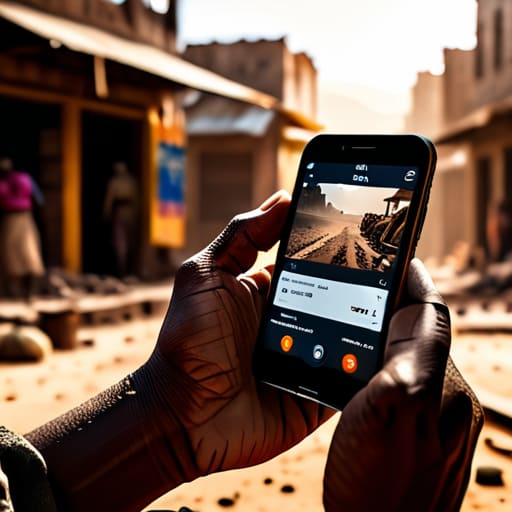
At the end of the day, the debate between cash transfers and in-kind aid isn’t a theoretical exercise for a seminar room; it is a choice between two different sets of headaches. Cash offers dignity and market stimulation, but it relies on a functional local economy and a secure digital or physical pipeline. In-kind aid, while cumbersome and expensive to move, remains the only fallback when the markets have collapsed or the local supply chain has been severed by conflict. You can’t eat a digital voucher if the nearest shop has been burned to the ground. The goal isn’t to pick a winner, but to ensure that whatever method we choose, the physical reality of the need is met.
I’ve spent too many nights staring at manifests, wondering if a shipment of grain would arrive before the rains turned the roads into soup. Whether we are transferring funds or moving pallets of high-energy biscuits, our success shouldn’t be measured by the elegance of our financial models. It is measured by the tangible presence of relief at the point of impact. If the money is sent but the hunger remains, or the food is bought but the truck never arrives, we have failed. We must stop obsessing over the purity of the mechanism and start focusing on the reliability of the result.