
I remember sitting in a humid warehouse outside Goma, staring at a stack of high-calorie biscuits that were technically “donated” but were practically useless because the shipping containers were sized specifically for a carrier based in a country three thousand miles away. Everyone in the capital was busy drafting press releases about the generosity of the West, but nobody was looking at the logistical nightmare of the delivery route. That is the reality of how aid is tied to donor interests; it isn’t always about the need on the ground, but about which shipping lanes and domestic industries get to benefit from the transaction.
I am not here to give you a lecture on geopolitical theory or the nuances of diplomatic soft power. I have spent nine years watching cargo manifests and tracking trucks through mud and checkpoints, and I know that the math rarely adds up to the mission. In this series, I am going to strip away the sentimentality and show you the actual mechanics of the machine. I will show you why the destination matters more than the donation and how the flow of goods is often dictated by a ledger in a donor capital rather than a requirement in a field clinic.
Table of Contents
Bilateral Aid vs Multilateral Aid the Drivers Route
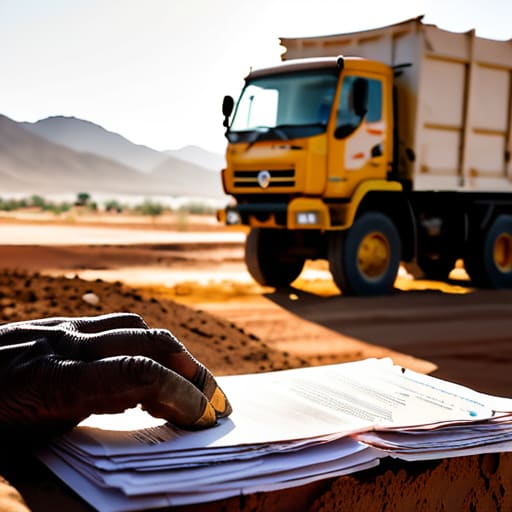
When I was coordinating convoys through the Kivus, the distinction between bilateral and multilateral aid wasn’t a theoretical debate in a Geneva boardroom; it was a matter of which paperwork I was holding and who was actually paying for the diesel. Bilateral aid is essentially a direct line from one government to another. It’s fast, but it’s rarely “neutral.” Often, the money comes with strings that dictate exactly which contractor gets the job. You see it constantly: the donor provides the funds, but the contract for the grain or the heavy machinery is awarded back to a company in the donor’s own backyard. This creates a specific kind of economic impact of tied aid where the money barely leaves the donor’s ecosystem, circling back into their own industries while we’re left managing the local fallout.
Multilateral aid—the stuff flowing through the UN or the World Bank—is supposed to be different. It’s meant to pool resources to bypass those specific political agendas. In theory, it offers a buffer against the whims of a single capital city, but in practice, it brings its own set of development assistance constraints. The bureaucracy is thick, and the procurement rules can be so rigid that by the time a shipment of essential supplies is cleared through three different layers of oversight, the rainy season has already washed out the only road to the warehouse. It’s a choice between a direct, politically charged route and a slower, more diluted one.
Development Assistance Constraints When the Cargo Is Pre Selected

I’ve seen it happen in the field more times than I care to count. You get the approval for a project, the funds are earmarked, and the excitement builds. But then you look at the procurement list and realize the equipment isn’t what the local mechanics can actually fix. It’s a specific brand of generator or a particular model of water pump that only one company—usually one with ties back to the donor nation—can supply. This is where development assistance constraints stop being a theoretical concept in a policy paper and start being a physical bottleneck on a dirt road.
When the cargo is pre-selected, the local economy doesn’t just sit on the sidelines; it gets bypassed entirely. Instead of buying local timber or hiring regional contractors, the money flows right back through the donor’s own supply chain. This creates a massive gap between the intended foreign aid effectiveness and the actual reality on the ground. You aren’t building a sustainable local industry; you are just importing a temporary, foreign-dependent ecosystem. In my experience, if the spare parts for a critical medical fridge have to be flown in from a capital city five thousand miles away because of strict procurement rules, then the aid isn’t actually serving the recipient—it’s serving the donor’s balance sheet.
The Hidden Hand on the Steering Wheel
I’ve seen plenty of high-level summits where they debate ‘strategic partnerships,’ but you won’t find that language in a warehouse. When a donor decides that a specific country is a ‘priority region,’ it isn’t always about the need on the ground; it’s about where they want their influence to land. You can track it in the manifests: the cargo isn’t moving toward the highest deficit, it’s moving toward the donor’s political interest.
Yusuf Lindqvist
The Last Manifest
At the end of the day, the distinction between bilateral and multilateral funding isn’t just an academic debate for my old MA professors; it is a question of who holds the keys to the warehouse. When aid is tied to the strategic whims of a single donor, the cargo becomes a tool of diplomacy rather than a response to a local deficit. We see it constantly: the money is there, but it’s earmarked for specific corridors or specific types of commodities that serve a donor’s geopolitical map, not the actual logistical reality on the ground. If the funding is pre-selected to suit a capital city’s interests, the efficiency of the entire supply chain is compromised before the first crate is even loaded.
I don’t care for the grand speeches made in Geneva or Washington about global solidarity. If we want to move the needle, we have to stop measuring success by the size of the pledge and start measuring it by the reliability of the delivery. True impact isn’t found in a press release; it is found in the quiet, unglamorous reality of a shipment that actually reaches its destination without being hijacked by political agendas. We need to demand a system where the needs of the recipient dictate the route, not the political requirements of the sender. That is the only way the lorry ever truly arrives.