I remember sitting in a humid, makeshift warehouse outside Goma, staring at a stack of medical crates that were officially “authorized” but practically useless. We had the funding, we had the supplies, and we had the drivers ready to roll, but we were stuck in a bureaucratic deadlock because of a single veto thrown in New York. People love to debate the nuances of international law, but they rarely talk about how the Security Council constrains responses on the ground. While diplomats argue over the wording of a resolution in a climate-controlled room, the actual movement of goods is strangled by political hesitation.
I am not here to give you a lecture on geopolitical theory or the sanctity of the UN Charter. My interest is much more granular. I want to show you the direct line between a stalemate in a boardroom and a truck that never leaves the depot. I will lay out exactly how these high-level decisions create operational paralysis, focusing on the mechanics of the delay rather than the sentiment of the debate. We are going to look at the hard reality of why the aid doesn’t move.
Table of Contents
Unsc Veto Power Implications for the Starving
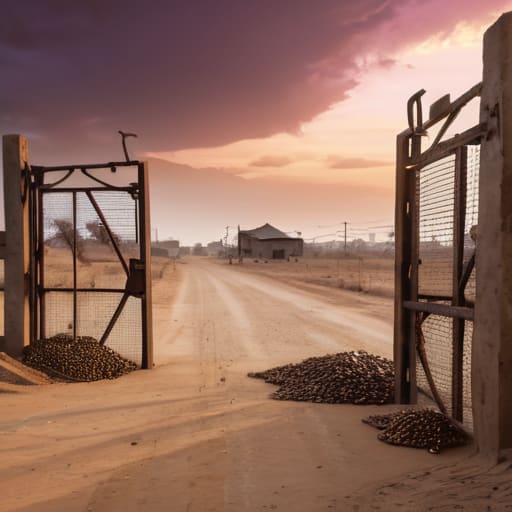
When a single vote in a room in New York can halt a resolution, the fallout isn’t felt in a boardroom; it’s felt at a broken checkpoint in a conflict zone. I have seen what happens when the paperwork stops moving because the political will evaporated. The UNSC veto power implications for people on the ground are binary: either the corridors stay open, or they are shuttered. It doesn’t matter how much grain is sitting in a warehouse in Djibouti if the diplomatic stalemate mechanisms prevent the authorization of a safe passage.
To the diplomats, a veto is a tool of statecraft. To a logistician, it is a supply chain severance. We talk about geopolitical deadlock in international relations as if it were an abstract concept, but in reality, it manifests as empty trucks and expired medicine. When the Permanent Five exercise their influence to block a mandate, they aren’t just debating policy; they are effectively deciding which convoys get to turn their engines on and which ones stay parked in the dust. The math is simple and brutal: no mandate, no movement, no food.
The Permanent Five Members Influence the Route
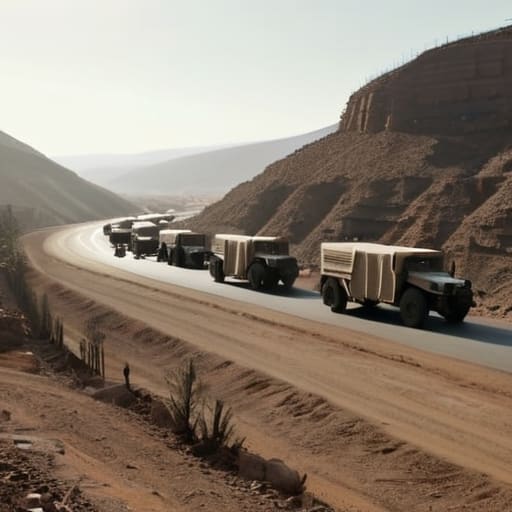
In my experience, a supply chain doesn’t just break because of a washed-out road or a broken axle; sometimes, the route is blocked before the truck even leaves the warehouse. When we talk about how the permanent five members influence the flow of aid, we aren’t talking about abstract diplomacy. We are talking about the reality that a single signature in a New York boardroom can effectively decommission a corridor of movement. I have seen humanitarian corridors stay open in one conflict zone while being systematically strangled in another, not because of local capacity, but because the map was drawn to suit a specific interest.
This isn’t just about politics; it is about the physical reality of the diplomatic stalemate mechanisms that dictate where we can and cannot go. When the P5 are at odds, the logistics of survival become a game of chess. You see it in the way mandates are drafted—vague enough to avoid offending a superpower, but often too thin to provide the actual protection required to move a convoy through a contested zone. It creates a landscape of geopolitical deadlock in international relations that translates directly into empty warehouses and stalled shipments. For a logistician, a political disagreement isn’t a headline; it is a dead end on the GPS.
The Veto as a Roadblock
You can debate the nuances of international law in a conference room in New York all you want, but a veto is just a broken axle on the supply line. It doesn’t matter how much funding is sitting in a bank account if the political deadlock ensures the trucks never even leave the depot.
Yusuf Lindqvist
The Bottom Line
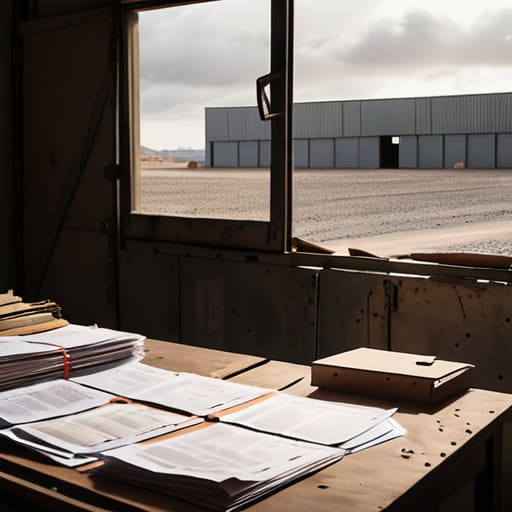
At the end of the day, the Security Council operates in a vacuum of high-level diplomacy, while the reality of humanitarian work is measured in liters of fuel and kilometers of broken roads. We have seen how the veto power stalls mandates and how the political interests of the P5 dictate which corridors stay open and which ones are choked off by bureaucracy. It is easy to get lost in the debate over international law, but the actual cost of these procedural delays is not measured in diplomatic friction; it is measured in the empty warehouses and the unfilled requisitions that sit on my desk while the window of opportunity slams shut.
We need to stop pretending that a well-drafted resolution is the same thing as a successful mission. A resolution is just paper; a successful mission is a truck crossing a border with life-saving supplies before the season changes or the fighting intensifies. If we want to fix the system, we have to stop focusing on the elegance of the politics and start focusing on the predictability of the supply chain. The goal shouldn’t be to win an argument in New York; it should be to ensure that the cargo actually arrives at the destination, regardless of who is arguing in the chamber.