
I once spent three days sitting in a dust-choked customs office outside Goma, watching a shipment of vaccines rot because the paperwork didn’t match the legal status of the people receiving them. People love to get lost in the high-minded, academic debates about what the difference is between refugee and migrant, treating it like a philosophical puzzle for a seminar room. But out in the field, those distinctions aren’t just semantics; they are the difference between a person getting a transit permit or being turned back at a checkpoint. It isn’t about the nuances of international law for me; it’s about whether the cargo actually moves and who is allowed to touch it.
I’m not here to give you a textbook definition or a lecture on policy frameworks. I’ve spent nine years watching how these labels dictate the flow of actual resources on the ground. I am going to strip away the humanitarian jargon and tell you how these classifications actually function when the boots hit the dirt. You won’t find any sentimental appeals here—just the hard, logistical reality of how these two groups are treated by the systems meant to serve them.
Table of Contents
Forced Displacement vs Voluntary Migration
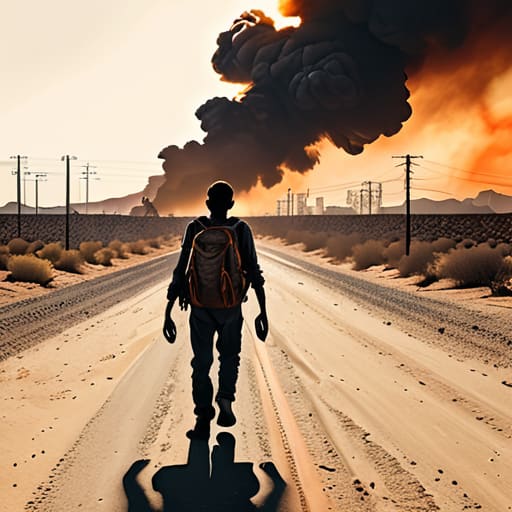
In my experience, the distinction between forced displacement vs voluntary migration isn’t a matter of academic debate; it is a matter of the weight in the truck. When I was managing supply lines in South Sudan, I saw people moving because they wanted a better job in Nairobi, and I saw people moving because their village was being burned to the ground. One is a choice driven by aspiration, the other is a flight driven by pure necessity.
The legal side is even more rigid. While a migrant might move to seek economic stability, the UNHCR legal definitions draw a hard line when survival is at stake. If you are fleeing persecution, conflict, or violence, you fall into the category of a refugee. This isn’t just semantics. In the field, the difference determines which warehouse your supplies come from and which international protocols govern your movement.
I’ve sat in transit camps where the distinction between an asylum seeker vs refugee felt incredibly thin to the people waiting, but for the logistics of aid, it is everything. One group is looking for opportunity; the other is looking for a perimeter that keeps them alive. One is a shift in lifestyle, the other is a total rupture of existence.
The Truth Behind Reasons for Migration and Displacement

In my experience, the distinction between these two groups isn’t found in a textbook, but in the contents of a person’s bag. When I was managing warehouses in South Sudan, I saw the difference clearly. A migrant might carry a suitcase with documents, a plan, and a sense of timing. But when you are dealing with forced displacement, people arrive with nothing but what they can carry on their backs. They aren’t looking for a career ladder; they are looking for a place where the ceiling isn’t falling in.
The complexity deepens when you look at the UNHCR legal definitions. On paper, the line is drawn by the threat of persecution or violence. In the field, however, the lines blur. You see people who are fleeing economic collapse that feels just as much like a death sentence as a bullet. While international law definitions provide a framework for aid allocation, they often fail to capture the sheer desperation of someone caught in the middle. For a logistician, the distinction matters less than the reality: whether the person arriving at the border is fleeing a choice or fleeing a catastrophe.
The Logistics of Survival
In my experience, the distinction isn’t found in a legal textbook or a policy briefing; it’s found in the cargo. A migrant is often a person looking for a better way to live, but a refugee is a person whose entire life has been reduced to the essential items they can carry while running for their lives. One is a choice of direction; the other is a desperate calculation of survival.
Yusuf Lindqvist
The Bottom Line
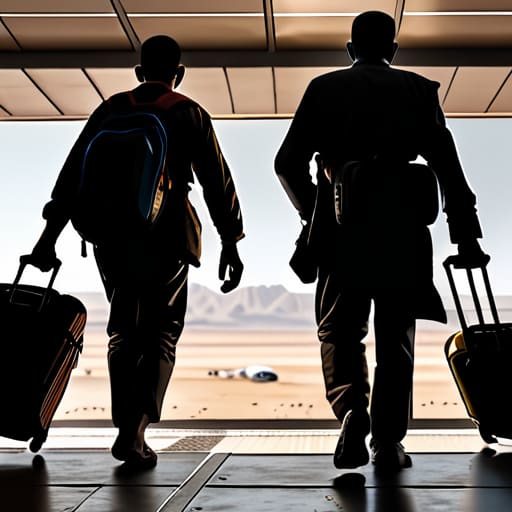
At the end of the day, the distinction between a refugee and a migrant isn’t just a matter of legal jargon or policy white papers. It comes down to the driver of movement: one is a choice made in pursuit of opportunity, while the other is a desperate flight from necessity. If you strip away the political rhetoric, you are left with two very different sets of requirements. A migrant needs a visa and a job market; a refugee needs a corridor of safety and a guarantee that they won’t be sent back into the line of fire. From my time in the field, I learned that you cannot treat these two groups with the same logistical playbook. The distinction is fundamental because the stakes of the arrival are entirely different.
We spend too much time debating the semantics of these labels in air-conditioned offices, far away from the actual movement of people. But the labels only matter because they dictate how the world responds. Whether someone is crossing a border for a paycheck or to escape a militia, the real metric of our success isn’t the nuance of our definitions—it is the reliability of our systems. We must ensure that when the distinction is made, the response is proportional. Ultimately, the goal is to move past the debate and focus on the only thing that truly counts: making sure the lifeline holds when it is needed most.