
I remember sitting in a humid warehouse outside Goma, staring at a stack of legal briefs that seemed more interested in the philosophy of war than the reality of it. Everyone in the NGO circles loved to debate the high-minded nuances of international law, but while they were arguing over semantics, I was worrying about whether a driver would be shot for carrying a Red Cross decal. People tend to treat the question of what the Geneva Conventions cover as if it’s a theoretical debate for university lecture halls, but on the ground, it is a matter of physical access.
I am not here to give you a lecture on the grand architecture of international humanitarian law or the lofty ideals of the UN. My goal is to strip away the academic fluff and tell you how these rules actually function when the supply chain breaks down and the fighting starts. I will explain what the Geneva Conventions cover by looking at the practical protections that actually determine whether a medic reaches a patient or a food shipment is seized at a checkpoint. No sentiment, just the mechanics of survival.
Table of Contents
Rules of Armed Conflict the Minimum Standard
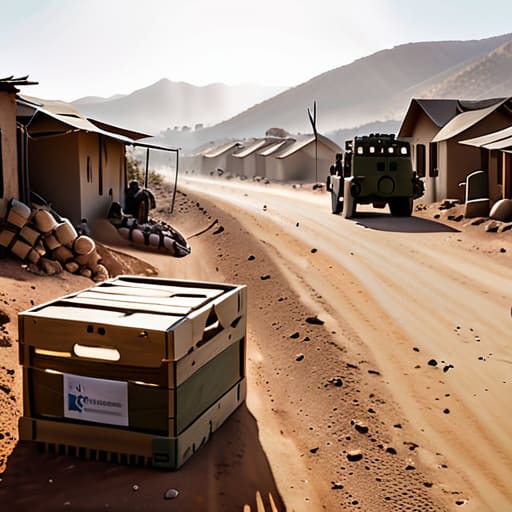
When people talk about the rules of armed conflict, they tend to drift into the theoretical. They discuss the high-minded ideals of international humanitarian law principles as if they were written in stone rather than etched in sand. In my experience, these rules aren’t about philosophy; they are about the baseline requirements for survival on the ground. If you can’t maintain a clear distinction between combatants and non-combatants, the entire logistics chain of a humanitarian mission collapses into chaos. You can’t deliver medical kits to a village if you can’t guarantee the village isn’t a legitimate military target.
The minimum standard is defined by the practicalities of the aftermath. It’s one thing to sign a treaty in a climate-controlled room in Switzerland; it’s another to ensure the actual protection of wounded and sick soldiers occurs when the radio goes silent. The Conventions mandate that once a person is hors de combat, they are no longer a target, but that requires a level of discipline that most field commanders find inconvenient. Whether it’s the treatment of prisoners of war or the basic refusal to target hospitals, these aren’t suggestions. They are the bare minimum requirements to ensure that when the fighting stops, there is actually something left to rebuild.
Distinction Between Combatants and Non Combatants Drawing the Line
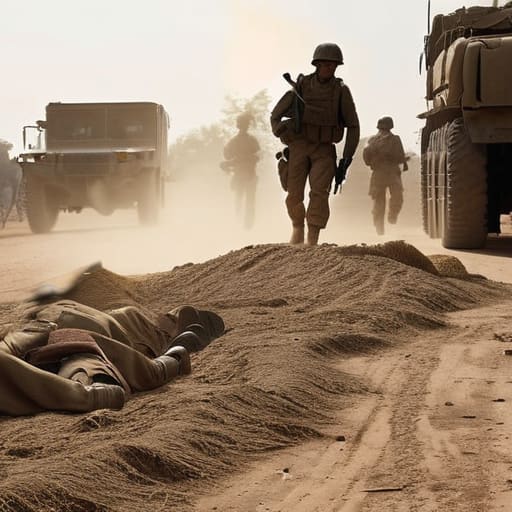
In the field, the distinction between combatants and non-combatants isn’t a philosophical debate; it’s the difference between a successful delivery and a bloodbath. On paper, the distinction between combatants and non-combatants is a clear-cut legal boundary. In practice, when you are trying to navigate a convoy through a contested corridor, that line gets blurred by smoke, bad intelligence, and frantic radio calls. The law demands that you target only those actively participating in hostilities, but the reality on the ground is often a chaotic scramble to identify who is holding a rifle and who is just holding a bag of grain.
When these rules break down, the consequences aren’t just legal—they are logistical nightmares. If a village is misidentified as a military outpost, the entire supply chain for that sector collapses. This is where international humanitarian law principles move from the classroom to the dirt. It isn’t just about the high-level theory of war crimes and legal accountability; it’s about ensuring that the person sitting in the back of my truck isn’t mistaken for a threat. If the distinction fails, the mission doesn’t just stall—it becomes a liability that no amount of paperwork can fix.
The Gap Between Protocol and Payload
Lawyers talk about the Geneva Conventions as a set of moral boundaries, but in the field, a convention is only as good as the corridor it opens. It doesn’t matter how many articles protect a hospital if the road is mined, the fuel is seized, or the paperwork for the ambulance is stuck in a customs office three provinces away. The law is the map, but the logistics are the terrain.
Yusuf Lindqvist
The Metric of Success
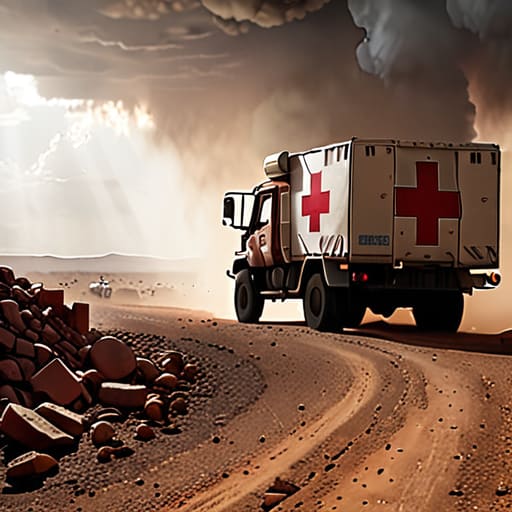
At the end of the day, the Geneva Conventions boil down to a set of operational boundaries. We’ve looked at the legal distinction between those pulling triggers and those trying to patch wounds, and the fundamental necessity of protecting the non-combatant. But from where I sit, these aren’t just lofty legal principles or academic debates for a seminar in Geneva; they are the functional requirements for any humanitarian mission to exist. If the distinction between a soldier and a civilian is lost, the entire supply chain of mercy collapses. Without these rules, there is no safe corridor for the trucks, no protected status for the medics, and no way to ensure that the aid actually reaches the hands it was meant for. It is about establishing the minimum viable conditions for humanity to persist in the middle of a mess.
I’ve spent too many nights staring at manifests, wondering if a shipment of antibiotics would ever clear a checkpoint or if the driver would be targeted for being in the wrong place at the wrong time. The Conventions don’t stop the fighting, and they certainly don’t make the war any less brutal. What they do is provide the only framework we have to ensure that when the smoke clears, there is still a structure of accountability left standing. We shouldn’t measure the success of international law by the elegance of its prose, but by the fact that the medic can still reach the wounded man. The goal isn’t a perfect world; it is simply ensuring that the help actually arrives.