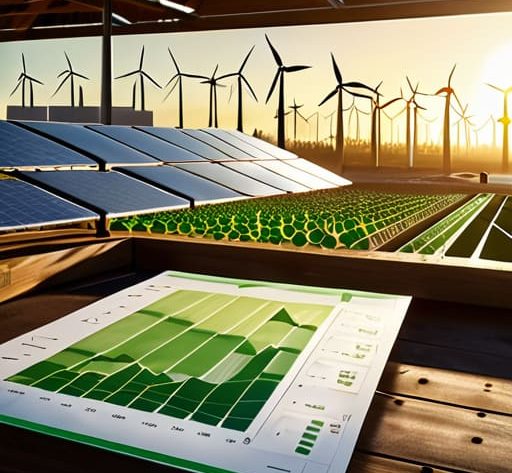
I remember sitting in a humid warehouse outside Goma, staring at a stack of procurement forms that had been rejected three times because the transport provider’s fleet didn’t meet some new, hyper-specific carbon emission standard drafted in a Brussels boardroom. We had vaccines sitting in a temperature-controlled container that was slowly losing power, and all the “sustainability” paperwork in the world wasn’t fixing the fact that the trucks were stuck in a bureaucratic loop. This is the reality of how green conditionality affects development: it often creates a massive gap between the high-minded policy written in Europe and the actual, physical movement of goods in the field. When we prioritize the purity of the process over the arrival of the cargo, we aren’t helping anyone.
I am not here to lecture you on climate ethics or recite the latest UN white papers. I’m going to tell you how these mandates actually play out when they hit the ground, focusing on the logistical friction they create for local actors. I will show you why a “green” requirement that breaks a supply chain is a failed requirement, period.
Table of Contents
Decarbonization Requirements for Aid When the Rules Block the Road
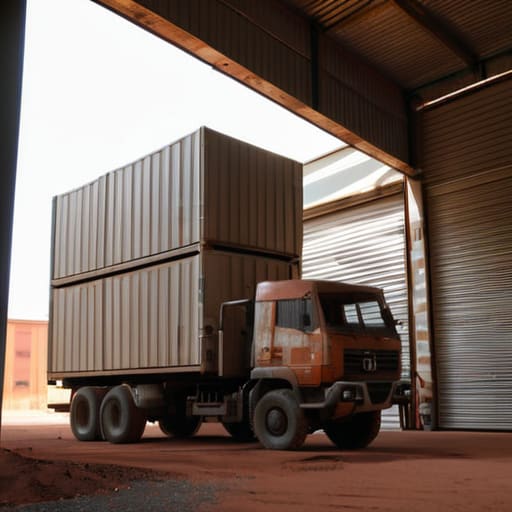
I’ve spent more time looking at fuel consumption logs than I have at policy papers, but the math is starting to look grim. When headquarters in Geneva or DC starts imposing strict decarbonization requirements for aid, they aren’t just changing a line item on a spreadsheet; they are changing the physical capability of a fleet to move. I’ve seen procurement officers stall an entire medical supply chain because the only available heavy-duty trucks in the region didn’t meet a specific Euro-emission standard. It doesn’t matter if the cargo is life-saving antibiotics; if the truck is “non-compliant,” the cargo stays in the warehouse.
This is where the friction between high-level environmental policy in emerging markets and ground-level reality becomes a wall. We talk about the sustainable development goals impact in terms of global percentages, but on the ground, it’s about the sudden lack of affordable, reliable transport. When you tighten the screws on carbon footprints without providing the localized infrastructure to support it, you aren’t just being “green”—you are creating a bottleneck. In my experience, a policy that prioritizes a low carbon footprint over the actual delivery of goods is just a sophisticated way of ensuring the mission fails.
The High Cost of Meeting Sustainable Development Goals Impact
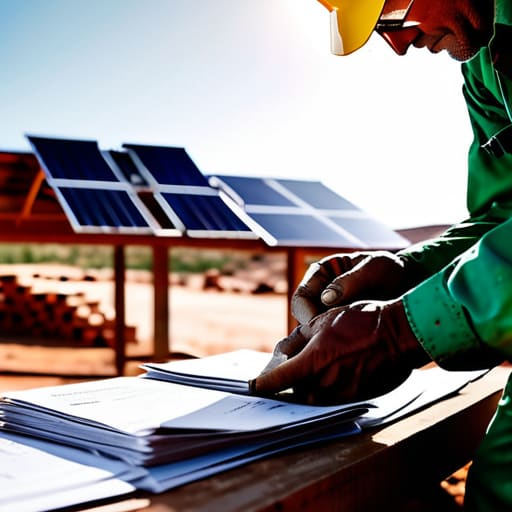
I’ve seen it happen in the field: a project gets greenlit on paper, but the actual implementation hits a wall of bureaucracy. When we talk about the sustainable development goals impact, we often focus on the macro-level metrics, but for a logistics officer, the impact is measured in the friction of compliance. We are seeing a shift where the renewable energy investment criteria required to unlock funding are becoming so granular and expensive to verify that local contractors simply can’t meet them. It’s not just about having the intent to go green; it’s about whether a small-scale solar provider in a rural province can navigate a three-hundred-page compliance audit just to get a single shipment of batteries cleared.
This creates a massive gap in climate finance accessibility. The money exists in the vaults of the major development banks, but it’s being gated behind a level of administrative complexity that acts as a de facto barrier. I’ve sat in meetings where the discussion was all about carbon offsets, while the actual question—how to pay for the fuel to move the equipment—was treated as an afterthought. If the cost of proving you are “sustainable” exceeds the value of the aid itself, the project is dead before the first crate is even packed.
The Compliance Gap
I don’t care how much carbon we saved on paper if the new procurement rules mean the local supplier can’t bid because they don’t have a certified audit trail. You can mandate a green supply chain all you want, but if those mandates make the cost of entry too high for the people actually doing the work, you aren’t driving development—you’re just driving the aid away.
Yusuf Lindqvist
The Bottom Line
We have spent this time looking at how green conditionality adds layers of bureaucracy that don’t just slow things down—they stop them. Between the impossible decarbonization mandates for transport fleets and the sheer administrative weight of proving every kilometer is “sustainable,” we are creating a system where the paperwork is more important than the payload. If a local contractor can’t meet a specific carbon-neutral certification, they lose the tender, and the supplies stay in the warehouse. At the end of the day, the math of sustainability cannot override the math of survival. If the rules make the cost of delivery higher than the budget allows, the result is the same as if the money never existed: the cargo never moves.
I am not suggesting we abandon the goal of a cleaner planet; that would be a fantasy. But we must stop pretending that high-minded environmental metrics are a substitute for actual infrastructure. True progress isn’t found in a glossy ESG report or a perfectly balanced carbon credit ledger; it is found in the grit and diesel of a supply chain that actually works. We need to build a framework where green standards enable movement rather than acting as a roadblock. If we want to actually change the world, we have to ensure that the pursuit of a better future doesn’t strangle the present.