
I remember sitting in a humid, windowless office in Goma, staring at a forty-page “After Action Report” that cost more to produce than the actual fuel for our generator. It was filled with high-level jargon about synergistic stakeholder engagement, but it failed to mention the single most important fact: the bridge on the main supply route had washed out three days into the crisis. We spent months debating theoretical frameworks, yet we never addressed the mechanical reality of how lessons from responses get lost in the gap between a glossy PDF and a muddy track. We treat learning like a luxury, something to be filed away in a digital archive once the cameras leave and the funding cycle resets.
I’m not here to give you a lecture on organizational theory or academic models. I want to talk about the physicality of failure. I’m going to show you why our best insights die in transit and how we can stop treating “lessons learned” as a checkbox exercise for donors. This isn’t about sentiment; it’s about ensuring that when the next crisis hits, the logistics actually work.
Table of Contents
How Lessons From Responses Get Lost in the Dust
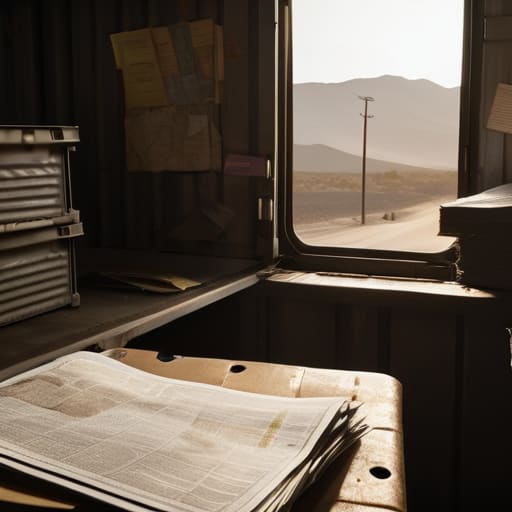
The problem isn’t that we don’t write reports; it’s that we write them for the wrong people. After a crisis breaks, the immediate priority is moving weight—vaccines, grain, or kits—from point A to point B. Once the last pallet is offloaded and the dust settles, everyone is exhausted. We rush into the next deployment before the ink on the last one is even dry. This creates massive standard operating procedure gaps because we treat the end of a response as a finish line rather than a transition. We file a massive binder of observations in a digital folder that no one will ever open again.
The real killer, however, is the human element. In my years in the field, I saw brilliant coordinators leave for better-paying private sector roles or simply burn out. When they walk out the door, they take the unwritten reality of the supply chain with them. We talk a lot about preserving organizational intelligence, but we rarely account for the fact that most “intelligence” lives in a person’s head, not a database. Without a functional post-incident review process that actually integrates into the next mission, we aren’t learning; we are just repeating the same expensive mistakes under different names.
The Hollow Victory of a Successful Post Incident Review Process

I’ve sat through enough debriefs in humid, half-lit tents to know the pattern. On paper, the post-incident review process looks flawless. We have the spreadsheets, the stakeholder interviews, and a thick stack of reports that claim we’ve captured everything. But there is a massive difference between documenting a failure and actually fixing it. Most of these sessions are just performative exercises in checking a box to satisfy donors or headquarters. We treat the review like a destination rather than a tool, filing the findings into a digital void where they go to die.
The real problem is that we mistake data collection for actual knowledge management strategies. We think that because we wrote down that a bridge was washed out or a customs official demanded a bribe, we have “preserved organizational intelligence.” We haven’t. When the next crisis hits and a new logistics officer rolls in, they aren’t reading those dusty PDFs; they are staring at the same broken routes and the same standard operating procedure gaps we identified six months ago. We celebrate the completion of the report, but we fail to realize that a report that doesn’t change the next delivery schedule is just expensive wallpaper.
The Paperwork Trap
We spend months drafting these polished, thirty-page post-incident reports that sit on a digital shelf, treating ‘lessons learned’ like a graduation ceremony. But a lesson isn’t learned just because you wrote it down in a clean font; it’s learned when the next driver knows exactly which bridge is washed out before he puts the truck in gear.
Yusuf Lindqvist
The Manifest is Never Finished
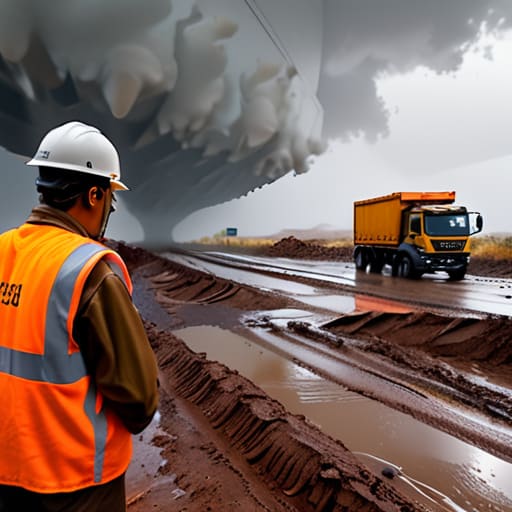
We can keep producing glossy post-incident reports that sit in digital archives gathering dust, but they won’t change a thing if the knowledge doesn’t reach the person standing at the warehouse gate. We’ve seen the cycle: the funding flows, the emergency response hits, the “lessons learned” document is drafted in a climate-controlled office, and then—nothing. The same bottlenecks, the same broken supply lines, and the same communication gaps reappear in the next crisis because we prioritize the narrative of improvement over the actual integration of data into field operations. If the lesson doesn’t change how the next driver navigates a washed-out road or how the next procurement officer vets a local vendor, then the lesson didn’t actually happen.
At the end of the day, my interest isn’t in the sentiment expressed in a donor report; it’s in the reliability of the chain. We need to stop treating evaluations as a bureaucratic checkbox and start treating them as critical logistical intelligence. If we want to actually move the needle, we have to bridge the gap between the high-level analysis and the muddy reality of the field. The goal isn’t to write a perfect history of what went wrong; it is to ensure that when the next call comes in, the lorry arrives exactly when it is supposed to.