I once sat in a humid conference room in Goma, listening to a consultant in a crisp linen suit explain a five-year strategic roadmap for regional stability. He was using every buzzword in the book to describe how health systems get strengthened, citing “synergistic frameworks” and “multi-sectoral integration.” Meanwhile, I was looking at my clipboard, knowing that the cold chain for the vaccines arriving tomorrow was currently sitting in a broken-down truck fifty kilometers away because someone forgot to budget for diesel. To those people, strength is a line item in a donor report; to me, it is the physical reality of a functional supply chain.
I’m not here to talk about high-level policy white papers or the theoretical beauty of institutional reform. If you want to understand how health systems get strengthened, you have to look at the friction points: the warehouses, the broken axles, and the last-mile delivery. I am going to pull back the curtain on the actual mechanics of resilience. We will focus on the unglamorous, concrete realities of what makes a system work when the lights go out and the funding dries up.
Table of Contents
Building Public Health System Capacity Building That Actually Works
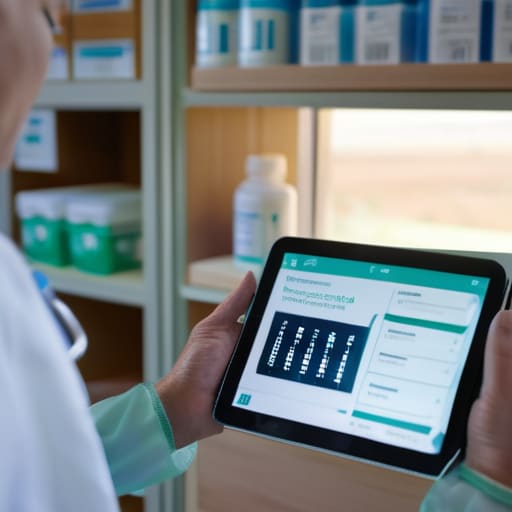
Most capacity-building workshops I’ve sat through are a waste of expensive hotel catering. They focus on high-level theory and “strategic frameworks” that evaporate the moment the consultants fly home. Real public health system capacity building isn’t about teaching a district officer how to draft a mission statement; it’s about ensuring the local clinic has a reliable way to track its stock levels without a paper ledger that disappears in the humidity. If the staff can’t manage the inventory, the most advanced medical technology in the world is just expensive junk sitting in a warehouse.
To make a system stick, you have to focus on the granular reality of medical supply chain management. I’ve seen countless “strengthening” initiatives fail because they prioritized training doctors but ignored the mechanics of the warehouse. You can train a surgeon to perfection, but if the cold chain breaks because no one thought to train the driver on temperature monitoring, that surgeon has nothing to work with. True resilience is built from the ground up—starting with the people who move the boxes and the systems that ensure those boxes actually reach the destination.
The Hard Truth of Healthcare Infrastructure Resilience Under Pressure
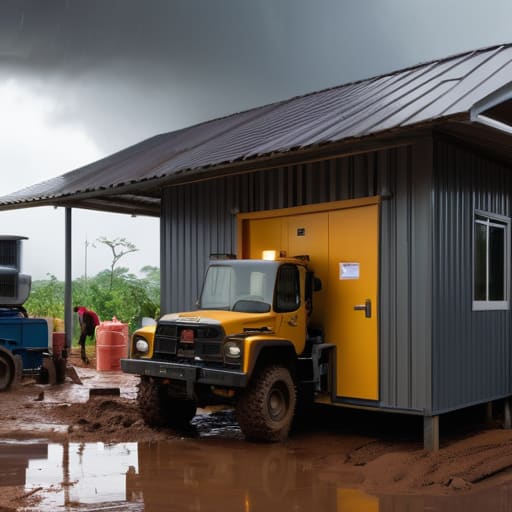
People talk about resilience like it’s a theoretical concept you can solve with a well-funded workshop in Geneva. In my experience, resilience isn’t a policy paper; it’s the physical ability of a clinic to function when the rainy season turns the only access road into a swamp. You can have the most sophisticated universal health coverage strategies on paper, but they mean nothing if the cold chain breaks because a generator failed and there wasn’t a spare part in the entire province. True healthcare infrastructure resilience is measured by the redundancy of your physical assets—the extra fuel, the backup batteries, and the local mechanics who actually know how to fix a broken pump.
We often see massive influxes of capital directed toward high-level planning, yet we neglect the granular reality of medical supply chain management. I’ve seen millions earmarked for “system strengthening” vanish into administrative overhead while the actual warehouses sit empty because no one accounted for the cost of last-mile transport. If you aren’t accounting for the physical degradation of the buildings and the roads, you aren’t building a system; you’re just funding a temporary illusion of stability. Real strength is found in the grit of the hardware, not the polish of the presentation.
The Gap Between Policy and Practice
You can draft all the capacity-building frameworks you want in a climate-controlled office in Geneva, but a health system isn’t strengthened by a signed MOU; it’s strengthened when the cold chain holds through a broken axle and a washed-out road, ensuring the vaccine actually reaches the patient instead of rotting in a warehouse because nobody planned for the last ten kilometers.
Yusuf Lindqvist
The Bottom Line

We can talk about policy frameworks and capacity-building seminars until we are blue in the face, but at the end of the day, a health system is a physical machine. It relies on the integrity of the supply chain, the durability of the cold chain, and the reliability of the local staff who manage the inventory. Strengthening a system isn’t a grand, abstract concept found in a donor’s annual report; it is the cumulative result of functional, predictable movement. If the vaccines sit in a warehouse because the last-mile transport failed, the most sophisticated health strategy in the world is nothing more than expensive paper.
I have spent too many years watching millions of dollars in aid vanish into the gap between a signed contract and a delivered crate. Real resilience is found in the grit of the operational reality—in the mechanics of making sure the medicine actually reaches the patient. We need to stop measuring success by the size of the grants we secure and start measuring it by the reliability of the delivery. When we focus on the logistics, we move past the sentiment and toward something that actually saves lives. Because in this business, the mission is only accomplished when the cargo arrives.