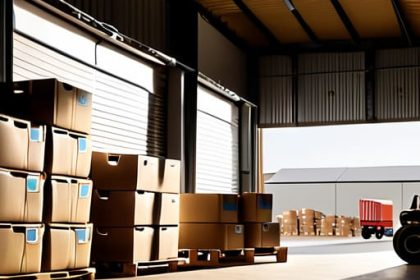
I remember sitting in a humid warehouse outside Goma, staring at a stack of high-tech, solar-integrated tent specifications that looked more like something from a NASA briefing than a disaster zone. The procurement office was obsessed with the innovation of the design, but all I could think about was the fact that the mountain passes were washed out and the heavy-duty trucks wouldn’t be able to clear the mud. People love to talk about the sophisticated engineering behind how emergency shelter is provided, but they always forget the most basic, brutal truth: a high-tech tent is just a pile of expensive, useless canvas if it’s sitting in a shipping container at a port three hundred miles away.
I’m not here to give you a lecture on humanitarian theory or show you glossy brochures of well-funded NGOs. I’m going to tell you how this actually works when the rain starts falling and the supply lines break. I will strip away the sentiment and the marketing fluff to explain the gritty mechanics of moving materials from point A to point B. We are going to focus on the only thing that actually matters: the logistical reality of getting a roof over someone’s head before the temperature drops.
Table of Contents
The Brutal Math of Disaster Relief Logistics
The Brutal Math of Disaster Relief Logistics
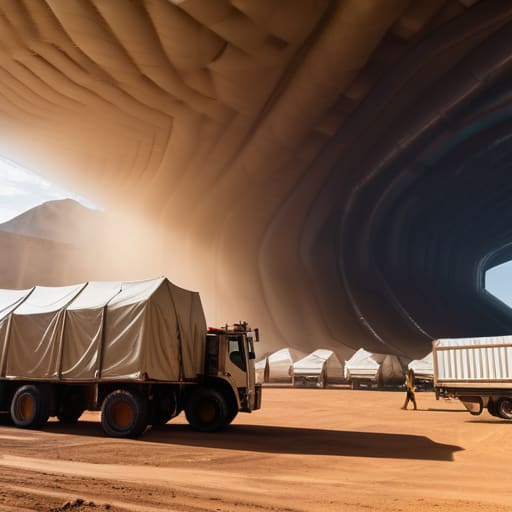
When a crisis hits, the spreadsheets in Geneva look clean. They show neat columns of “units required” versus “units allocated.” But on the ground, disaster relief logistics isn’t about those tidy numbers; it’s about the friction of reality. I’ve spent nights in transit hubs where the math breaks down because a bridge washed out or a local warlord decided a tax was due. You can have a million dollars worth of rapid deployment housing sitting in a warehouse in Nairobi, but if you don’t have the diesel to move it or the driver who knows which dirt tracks are currently mud pits, that money is effectively zero.
It comes down to weight, volume, and cubic meters. You aren’t just moving “shelter”; you are moving thousands of kilograms of heavy-duty canvas, steel poles, and toolkits. Every kilo of weight added to a truck is a kilo of something else—maybe water purification tablets or high-protein biscuits—that you can no longer carry. This is the constant, punishing trade-off that defines humanitarian aid distribution. You don’t solve for “the most good”; you solve for the maximum load that can survive a 400-kilometer journey over broken terrain.
Why Protocols Fail When the Clock Starts
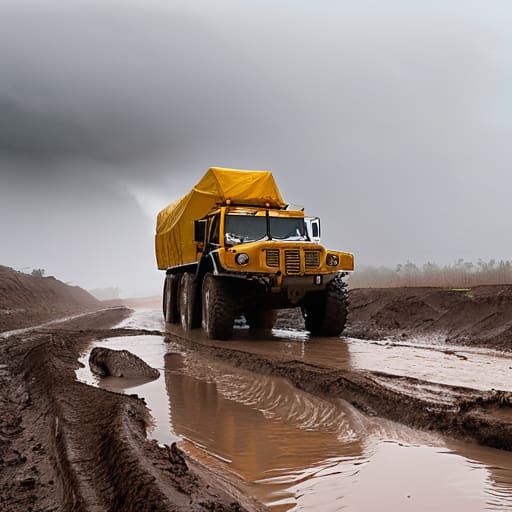
On paper, emergency response protocols look airtight. You have color-coded spreadsheets, pre-vetted vendor lists, and a hierarchy of command that would make a general proud. But a protocol is just a piece of paper until it hits a washed-out bridge or a closed border crossing. In my experience, the moment the clock starts ticking, the gap between the headquarters’ plan and the reality on the ground becomes a canyon. You can have the most sophisticated shelter management systems in the world, but they won’t help you when the local radio says the only access road is currently a river of mud.
The failure usually happens in the transition from theory to movement. People talk about rapid deployment housing as if it’s a magic solution that simply appears when needed. They forget that these units represent tons of weight, specific dimensions, and a massive requirement for specialized transport. When the pressure mounts, the human element—the driver who knows which way the wind is blowing or the local contact who knows which checkpoint is actually open—becomes more important than any manual. In disaster relief logistics, a perfect plan that cannot move is just a expensive hallucination.
## The Gap Between Paper and Pavement
“I’ve seen a thousand glossy brochures detailing ‘rapid response frameworks’ and ‘standardized shelter kits,’ but none of those frameworks matter when the rainy season turns the only access road into a swamp and your driver is staring at a broken axle. In this business, you don’t measure success by the number of tents ordered in Geneva; you measure it by the number of trucks that actually cleared the mud.”
Yusuf Lindqvist
The Last Mile is the Only Mile
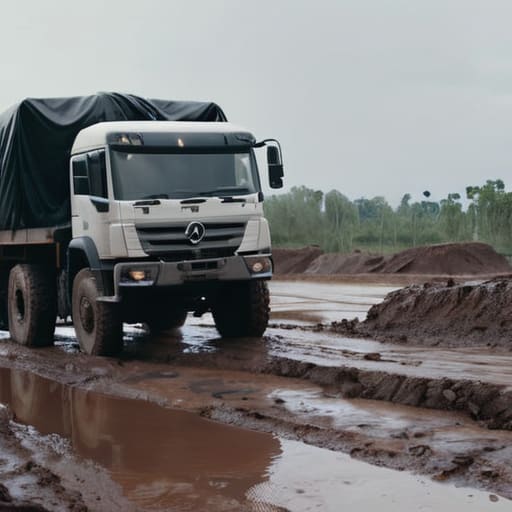
At the end of the day, the theory of shelter provision falls apart once you hit the mud. We can debate procurement cycles, international standards, or the nuances of UNHCR tent specifications all we want, but none of that matters if the supply chain snaps at the border. I have seen millions of dollars in high-grade polyethylene sheeting sit in a warehouse in Mombasa because a single driver lacked the correct transit permit or a bridge washed out three kilometers from the camp. The reality of humanitarian work isn’t found in the glossy annual reports; it is found in the gritty, unglamorous math of fuel consumption, axle loads, and broken-down trucks. If the materials don’t move, the people don’t stay dry.
We need to stop measuring success by the amount of money raised and start measuring it by the volume of goods actually offloaded. The mission isn’t to create a perfect plan on a whiteboard in Geneva; it is to ensure that when a family loses everything, the physical roof they need is actually sitting on their ground. It is a hard, exhausting, and often thankless grind of managing chaos, but there is a profound, quiet dignity in that final delivery. When the dust settles and the rain starts, the only thing that matters is that the logistics held firm and the shelter arrived.