I spent a decade watching delegates in air-conditioned conference halls in Bonn and Nairobi argue over decimal points in carbon credits, while I was on the ground in South Sudan trying to figure out why a shipment of drought-resistant seeds was sitting in a warehouse three hundred miles away. Most people think the real impact of global policy is found in the fine print of a treaty, but they’re wrong. If you want to understand how climate negotiations affect poorer countries, you shouldn’t look at the press releases from the COP summits; you need to look at the broken supply chains and the empty grain silos that follow them.
I’m not here to give you a lecture on international law or the nuances of geopolitical sentiment. I’m going to tell you what happens when those high-level promises actually hit the dirt. I will show you the gap between the billions pledged in global funds and the actual delivery of resources to the people who need them most. We are going to move past the rhetoric and look at the logistics of survival, because a signed agreement is just paper until the trucks start moving.
Table of Contents
Diplomatic Paperwork vs Real Climate Finance Mechanisms

Diplomatic Paperwork vs. Real Climate Finance Mechanisms
I have spent enough time in transit hubs to know that a signed treaty is just a piece of paper until it converts into fuel, spare parts, or grain. In the halls of COP, the debate focuses on the high-level abstractions of global north vs global south climate policy, but those debates rarely account for the friction of a broken axle in a remote province. You can talk about billions in commitments all day, but if those funds are trapped in the bureaucratic sludge of an international bank, they aren’t helping anyone.
The reality of climate finance mechanisms is often a nightmare of compliance and reporting that favors the institutions providing the money rather than the people facing the drought. I’ve seen projects stall for months because the “resilience funding” required a level of digital auditing that a rural district office simply couldn’t provide. It creates a paradox where the vulnerability of low-income countries to climate change is met with administrative barriers that make accessing aid nearly impossible. To me, the effectiveness of a negotiation isn’t measured by the headline figure in a press release; it’s measured by whether the procurement officer can actually clear the funds to buy the sandbags before the rains hit.
The Gap Between Global North vs Global South Climate Policy
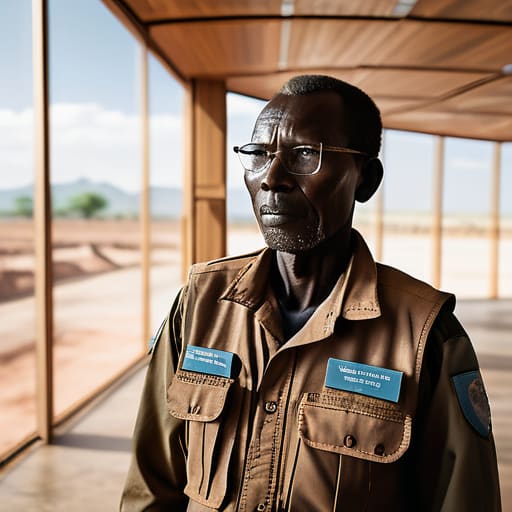
In my experience, the friction between the Global North and Global South isn’t just a matter of political ideology; it’s a breakdown in operational reality. When I sat in transit hubs in South Sudan, I saw how high-level discussions on international climate policy equity felt like a different language entirely. In Geneva or New York, they talk about “transitioning economies” and “mitigation frameworks.” But for a logistics officer on the ground, those terms don’t move mountains. The actual gap lies in the fact that the North focuses on reducing future emissions, while the South is stuck trying to survive the ones already in the atmosphere.
This disconnect turns the concept of climate justice for developing nations into a moving target. We see massive amounts of rhetoric regarding funding for climate resilience, yet when it comes to the actual disbursement of capital, the process is as slow as a mud-clogged axle in the rainy season. It’s one thing to pledge billions in a plenary session; it is quite another to ensure those funds bypass three layers of bureaucracy and actually reach the district level where a sea wall needs building or a grain silo needs reinforcing. Until the money moves with the same urgency as a medical emergency, the policy remains just more paper.
The Math of the Last Mile
You can spend ten years in a conference hall in Bonn or Glasgow debating the nuances of ‘loss and damage’ frameworks, but none of those acronyms move a single pallet of grain or a shipment of solar pumps. To a field officer in a drought-stricken district, a billion-dollar climate fund is just a theoretical number on a spreadsheet until it translates into a fuel voucher and a functioning supply chain. The climate crisis isn’t a policy debate; it’s a logistical nightmare that won’t be solved by better rhetoric, only by better delivery.
Yusuf Lindqvist
The Last Mile of the Agreement
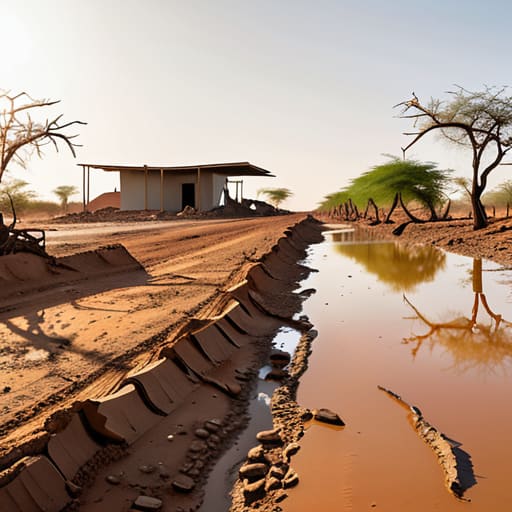
At the end of the day, we can debate the intricacies of loss and damage funds or the nuances of carbon credits until the sun goes down, but none of that changes the reality on the ground. We have seen how the gap between high-level policy and actual resource allocation creates a vacuum where promises go to die. A signed treaty in a temperature-controlled room in Bonn or Dubai doesn’t build a sea wall in Kiribati, and it certainly doesn’t repair a washed-out road in South Sudan. If the finance doesn’t translate into tangible, physical infrastructure, then the negotiations are just expensive exercises in bureaucratic theater.
My time in the field taught me that success isn’t measured by the number of signatures on a document, but by the arrival of the supplies that actually keep people alive. We need to stop treating climate finance as a theoretical math problem and start treating it as a logistical imperative. The goal shouldn’t be to reach a consensus on paper; it should be to ensure that when the next storm hits, the tools for resilience are already sitting in the warehouse, ready to move. That is the only metric that actually matters.