I remember sitting in a humid warehouse outside Goma in 2014, staring at a stack of empty grain sacks and a broken-down Hilux. On the radio, some expert in Geneva was lecturing about the high-level nuances of agricultural policy, but none of that mattered because the local supply chain had snapped. People keep trying to wrap what food sovereignty means in layers of academic jargon and grand, sweeping theories about global justice. They talk about it like it’s a philosophical debate for a seminar room, but in my experience, it’s much more visceral and unglamorous than that.
I’m not here to give you a lecture on political theory or recite the latest UN white paper. I’m going to tell you what it actually looks like when the systems fail and the people on the ground have to rebuild them from scratch. We are going to strip away the sentimentality and look at the logistical reality of who controls the seed, the soil, and the transport. If you want the polished version, go read a textbook; if you want to know how the actual machinery of survival works, stay here.
Table of Contents
Why Food Security vs Food Sovereignty Is a Life or Death Distinction
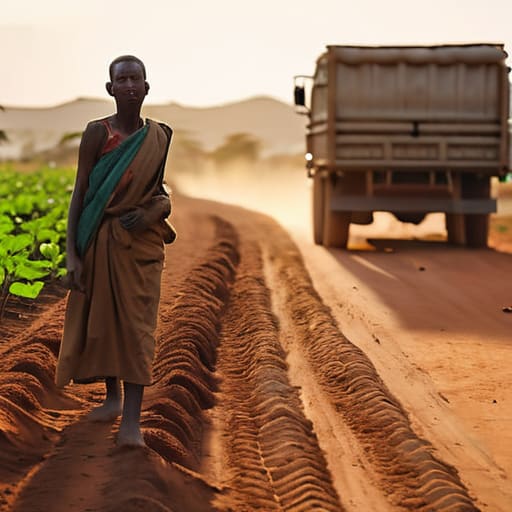
In my time moving supplies through South Sudan and eastern DRC, I saw the difference play out in real-time. Food security is a metric of calories; it’s a spreadsheet calculation of whether a population has enough grain to survive the next six months. It is often managed through massive, top-down imports that arrive on heavy trucks, stabilize the immediate crisis, but leave the local markets hollowed out. It’s a temporary fix that treats people as passive recipients of aid rather than active participants in their own survival.
The real distinction lies in local food autonomy. When we talk about food sovereignty, we aren’t just talking about filling stomachs; we are talking about who owns the seed, who controls the soil, and who decides the price of the harvest. I’ve seen what happens when a community relies entirely on external shipments: the moment the NGO budget shifts or a supply chain breaks, the system collapses. True resilience comes from community-led food systems that don’t vanish when the last relief lorry pulls away. It is the difference between being fed by a stranger and being able to feed yourself.
The Right to Healthy Food Is Not a Charity Handout
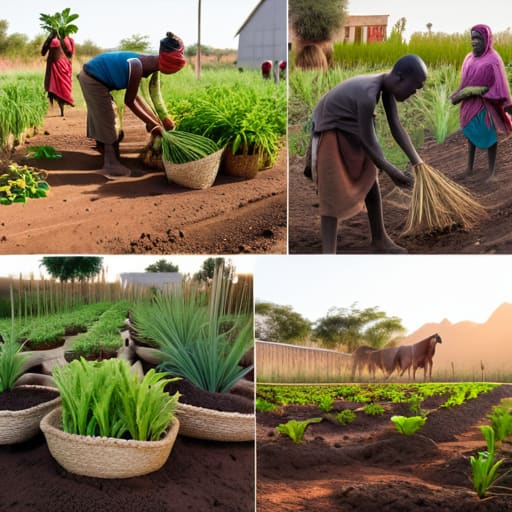
I’ve sat in enough dusty warehouses in South Sudan to know the difference between a gift and a right. When an NGO drops a shipment of fortified maize flour into a crisis zone, it looks like a win on a donor report. But that’s just a temporary patch. Charity is a vertical transaction: someone with a surplus gives to someone with a deficit. It creates a dependency loop that breaks the moment the funding cycle ends or the shipping lanes get blocked. True local food autonomy isn’t about waiting for the next relief convoy; it’s about the structural ability to produce, manage, and control your own supply chain.
If we treat the right to healthy food as something that can be granted or withheld by an external agency, we have already lost. You don’t “give” someone the right to eat; you recognize the systems that allow them to sustain themselves. In my experience, the most resilient areas weren’t the ones with the most frequent aid deliveries, but the ones that had protected their indigenous food systems from being steamrolled by global commodity markets. When you move from a model of “feeding people” to one of supporting community-led food systems, you stop treating people like recipients of a handout and start treating them like the operators of their own survival.
The difference between a handout and a system
You can ship enough grain to stabilize a district for a month, but that’s just managing a crisis; true sovereignty is when the local supply chain doesn’t collapse the moment the NGO’s trucks leave the depot.
Yusuf Lindqvist
The Logistics of Autonomy
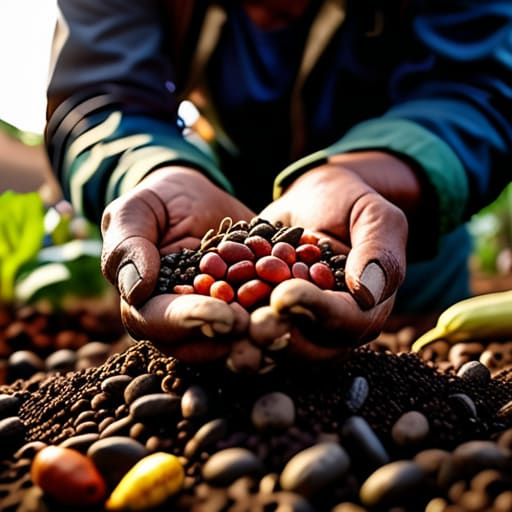
At the end of the day, we have to stop conflating a full stomach with a sustainable system. Food security is a metric of survival—it tells you if the calories arrived today, but it says nothing about whether that same person will be hungry again when the next shipment fails or the global market shifts. Food sovereignty is different. It is about the infrastructure of agency. It is the difference between a village waiting for a grain barge that might never come and a village that owns the seeds, the soil, and the distribution routes themselves. If we only focus on the delivery of aid, we are merely managing a crisis; if we focus on sovereignty, we are building a supply chain that doesn’t require a savior.
I have spent too many nights staring at manifests, wondering if the next convoy would make it through the mud or the checkpoints. That uncertainty is the byproduct of a system built on dependency. Real progress isn’t measured by the size of a humanitarian budget or the sentiment in a fundraising email. It is measured by the moment a community no longer needs our trucks to roll through their gates. True dignity is found when the local systems take over, and the only thing we are left to do is watch from the sidelines as they feed themselves.