
I once spent three days in a humid warehouse outside Goma, watching a shipment of temperature-sensitive vaccines sit on a concrete floor because the paperwork didn’t match the local customs’ interpretation of a single line item. Academics and consultants love to sit in air-conditioned offices and lecture you on what a value chain is using colorful flowcharts and theoretical models of “upstream integration.” But those charts don’t account for a washed-out road in the rainy season or a driver who refuses to move without a specific type of fuel voucher. To me, a value chain isn’t a diagram; it is the physical movement of things from point A to point B without them rotting, breaking, or disappearing in transit.
I am not here to give you a textbook definition that you can copy-paste into a slide deck. Instead, I’m going to strip away the jargon and show you how these systems actually function when the pressure is on and the margins are razor-thin. We are going to look at the unvarnished reality of how goods actually move, focusing on the friction points that determine whether a project succeeds or fails. If you want to understand the mechanics of delivery rather than the poetry of the mission, you’re in the right place.
Table of Contents
The Brutal Difference Between Supply Chain vs Value Chain
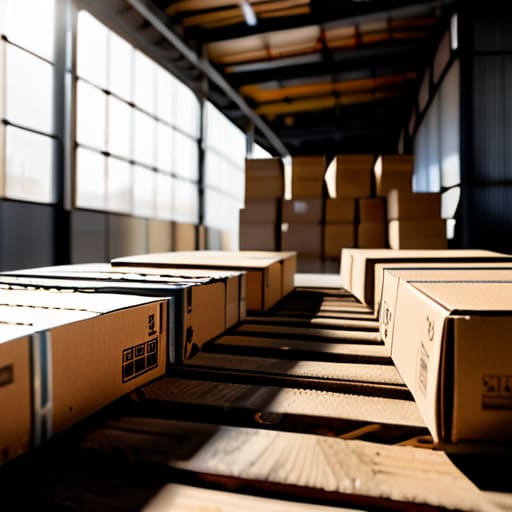
In my experience, people use these terms interchangeably, but they shouldn’t. If you’re looking at supply chain vs value chain, the distinction isn’t academic—it’s the difference between moving weight and making an impact. A supply chain is a series of mechanical steps: procurement, transport, warehousing, and delivery. It’s the movement of boxes from point A to point B. When I was managing medical supplies in South Sudan, my supply chain was a nightmare of broken axles and bureaucratic checkpoints, but it was still just a logistical flow.
A value chain, however, is about what happens to the cargo while it’s moving. It’s the reason the cargo matters. While the supply chain focuses on the physical movement of goods, a value chain looks at how each step—from the initial sourcing of drugs to the final administration in a rural clinic—actually improves the utility of the product. You can have a perfectly functional supply chain that delivers tons of expired vaccines, but you have failed the value chain entirely.
To truly understand the difference, you have to look at the upstream and downstream activities through the lens of utility. A supply chain is concerned with the cost of the fuel; a value chain is concerned with whether the medicine is actually usable by the time it reaches the patient. One is about efficiency; the other is about purpose.
Mapping the Truth of Upstream and Downstream Activities
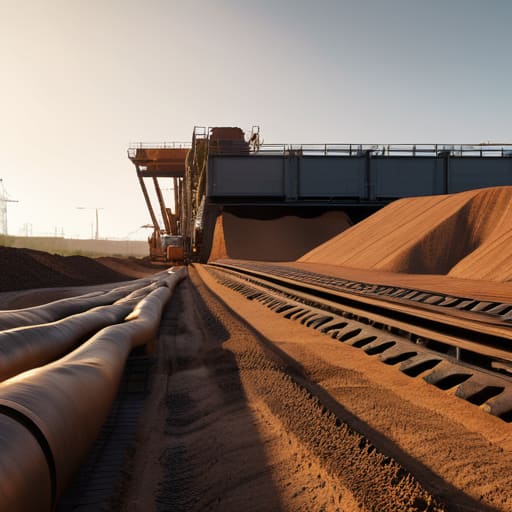
When you sit down with a map, it’s easy to draw neat lines from a manufacturer to an end-user. But in the field, mapping the truth of upstream and downstream activities isn’t about drawing lines; it’s about identifying where the weight actually shifts. Upstream is where the raw materials are sourced—the seeds, the raw chemicals, the heavy machinery. If the procurement office in Geneva fails to secure a contract with a reliable supplier, the entire chain is dead before it even breathes. You can have the best distribution plan in the world, but if the upstream inputs are delayed or substandard, your downstream efforts are nothing more than a coordinated exercise in futility.
Downstream is where the actual pressure hits. This is the movement from the regional warehouse to the last-mile clinic or the remote village. This is where the “value” is either realized or lost to spoilage, theft, or broken axles. When we look at upstream and downstream activities, I don’t care about the theoretical flow of goods. I care about the handovers. Every time a manifest changes hands, there is a risk of value leakage. True value chain optimization strategies aren’t found in a boardroom spreadsheet; they are found in the grit of those handovers, ensuring that the product doesn’t just move, but arrives in a condition that actually serves its purpose.
Why the Theory Fails When the Lorry Doesnt Arrive
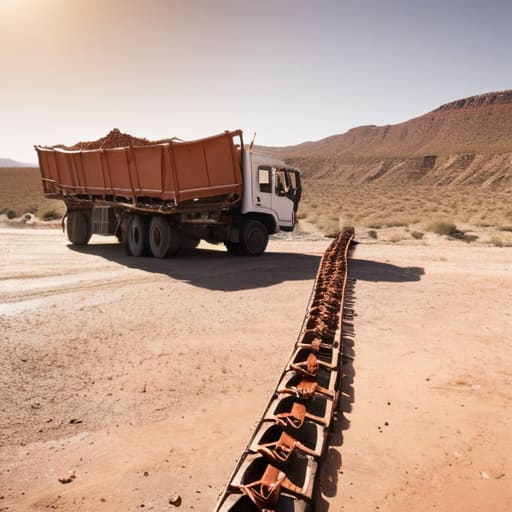
In my experience, a textbook value chain analysis framework is a beautiful, sterile thing. It looks perfect on a whiteboard in a Geneva office, showing smooth transitions from raw materials to end-users. But those diagrams assume a frictionless world. They don’t account for a washed-out bridge in South Sudan or a sudden customs seizure at a border crossing that turns a three-day transit into a three-week nightmare. When you are staring at a broken axle in the middle of a dry season, the theoretical distinction between supply chain vs value chain becomes irrelevant.
The theory suggests that value is created through a series of optimized steps, but in the field, value is binary: it either exists or it doesn’t. You can have the most sophisticated value chain optimization strategies in your donor report, but if the cold chain fails and the vaccines spoil in a warehouse because the generator died, you haven’t added value—you’ve just managed a very expensive waste stream. The math of the margin doesn’t matter when the physical reality of the delivery fails. If the goods aren’t there, the chain isn’t just inefficient; it’s non-existent.
Forget the flowcharts
You can draw a thousand diagrams showing how a product moves from raw material to the end user, but a value chain isn’t a line on a piece of paper; it’s the measurable difference between a crate of vaccines sitting in a humid warehouse and those same vaccines actually being administered in a clinic. If the value doesn’t reach the person who needs it, you haven’t built a chain—you’ve just built a very expensive way to move things from A to nowhere.
Yusuf Lindqvist
The Reality Check
At the end of the day, a value chain isn’t a diagram in a textbook or a slide in a donor presentation. It is the messy, interconnected sequence of events that transforms a line item on a budget into a tangible benefit for a person on the ground. We have looked at the distinction between the mere movement of goods and the actual creation of utility, and we have seen how upstream procurement and downstream delivery are often disconnected by poor planning. If you focus only on the flow of supplies without understanding how each link adds or subtracts value, you aren’t managing a chain; you are just watching things move. A value chain only exists if every step, from the manufacturer to the final mile, actually serves the end goal.
Stop getting lost in the abstractions of optimization and theoretical margins. If you want to master this, stop looking at the spreadsheets and start looking at the results. The true measure of any value chain—whether you are delivering vaccines in a conflict zone or consumer electronics in a stable market—is the integrity of the final link. When the cargo is unloaded and the intended impact is realized, only then can you say the chain worked. Don’t aim for a perfect map; aim for the arrival.