
I once sat in a humid warehouse outside Goma, staring at a stack of shipping manifests that didn’t match the “emergency relief” figures being touted on the evening news. While the pundits in London or DC were busy debating the nuances of diplomacy, I was more concerned with why three tons of antibiotics were stuck at a border crossing because of a paperwork discrepancy. People love to get lost in the high-level theory of how bilateral and multilateral aid differ, treating it like a graduate seminar on international relations. But if you’ve ever had to explain to a local driver why his fuel allowance was slashed due to a change in a donor’s political whims, you know that these definitions aren’t just academic—they are the difference between a successful delivery and a total logistical failure.
I’m not here to give you a textbook definition or a lecture on geopolitical strategy. I’m going to strip away the jargon and tell you how these two systems actually function when the rubber meets the mud. We will look at the friction points, the red tape, and the reality of where the money actually lands. My goal is to show you the mechanical truth of the sector: how these funding streams dictate whether a truck actually reaches the village or just sits idling in a capital city.
Table of Contents
State Aid When the Donor Demands a Handshake
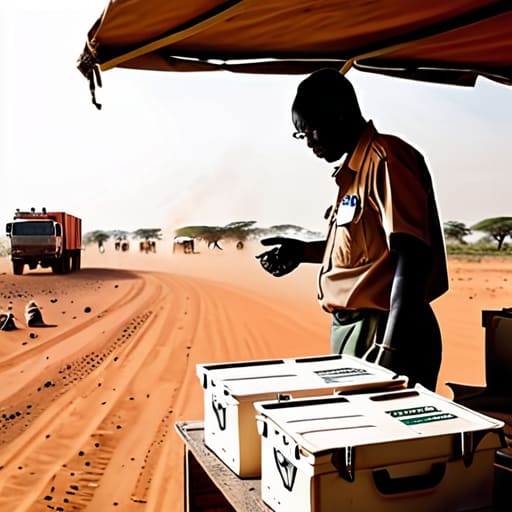
When I was coordinating medical supplies in South Sudan, I saw the reality of bilateral aid firsthand. It isn’t just a line item in a budget; it is a direct, often transactional, handoff between two governments. This is the most straightforward of the official development assistance types, but it comes with strings that can tangle a logistics chain faster than a washed-out road in monsoon season. Because the money is tied to a specific donor, they often dictate the terms—sometimes even the suppliers. You aren’t just delivering medicine; you are delivering the donor’s specific brand of intervention.
This directness is a double-edged sword. On one hand, you have a clear line of accountability back to the source. On the other, these foreign assistance mechanisms can become incredibly rigid. If a donor country decides that their aid must be used to procure equipment from their own domestic manufacturers, it might look great on a political spreadsheet back in Brussels or Washington, but it can be a nightmare for on-the-ground procurement. I’ve seen projects stall because a specific part required by the bilateral agreement was stuck in a port halfway across the world, while a local supplier sat idle right next to us.
Intergovernmental Organizations vs State Aid in the Field
When I was managing warehouses in Goma, the distinction between intergovernmental organizations vs state aid wasn’t a theoretical debate in a seminar; it was a question of who held the keys to the gate. State aid—bilateralism—often feels like a private contract. A donor country hands over funds with specific strings attached, usually wanting to see their own flag or their own specific project succeed. It’s direct, but it can be rigid. If the donor’s political wind shifts, your supply chain can vanish overnight because the funding was tied to a specific political mandate rather than a long-term need.
Multilateralism, through the big intergovernmental organizations, operates differently. They pool the international development funding into a massive, collective reservoir. On paper, this is supposed to improve aid effectiveness and coordination by spreading the risk and the decision-making. In the field, however, this means you aren’t just dealing with one donor’s whims, but with a massive, slow-moving bureaucracy. You trade the sudden volatility of bilateralism for the sheer weight of institutional inertia. You aren’t waiting on a single embassy to change its mind; you’re waiting for a global machine to turn. At the end of the day, whether the money comes from a single state or a collective pool, my concern remains the same: does the fuel for the generator actually show up?
The difference between a handshake and a spreadsheet
People get lost in the politics of whether the money comes from a single government or a UN pool, but in the field, the distinction is simple: bilateral aid is a direct line with a specific set of strings attached, while multilateral aid is a massive, slow-moving engine. One gives you more control, the other gives you more scale, but neither of them matters if the fuel budget is mismanaged and the convoy stays parked in the depot.
Yusuf Lindqvist
The Bottom Line
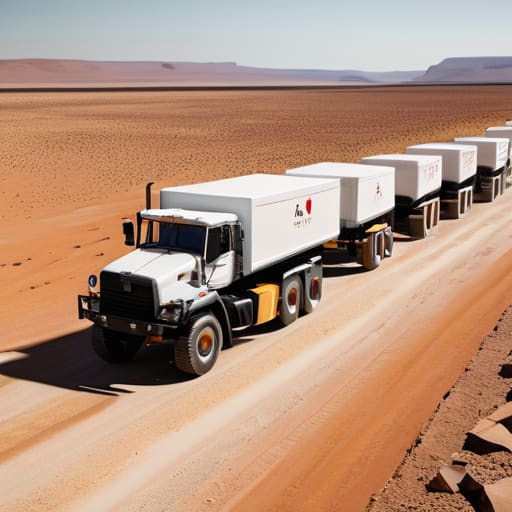
At the end of the day, the distinction between bilateral and multilateral aid isn’t just an academic exercise for my old MA professors; it’s a question of control versus scale. Bilateral aid gives the donor a seat at the table and a direct line to the recipient, but it often comes with strings that can tangle a supply chain. Multilateral aid pools the resources, offering a buffer of neutrality and a larger reach, though it can sometimes feel like a massive, slow-moving tanker trying to navigate a narrow river. Whether it’s a direct handoff from one government or a collective push through a UN agency, the mechanics of the funding change, but the logistical reality remains the same.
I’ve spent too many nights staring at rain-soaked manifests to care about the prestige of the donor. You can debate the merits of state-to-state diplomacy or the efficiency of global institutions until the sun comes up, but none of that theory matters when the mud is waist-deep and the fuel is running low. The true measure of any aid system—regardless of how the money was moved—is not found in a press release or a high-level summit. It is found in the physical arrival of the cargo. If the truck reaches the village, the system worked. Everything else is just noise.