
I spent a decade in South Sudan watching NGOs burn through six-figure budgets on “sensitivity training” workshops held in air-conditioned hotels, only to watch the actual beneficiaries struggle to even enter the distribution center. Most people treat disability inclusion as a series of polished PowerPoint slides and lofty mission statements, but that isn’t how disability inclusion works in practice. If you’ve ever stood in a dusty compound watching a person in a wheelchair get stuck at a single, three-inch concrete lip at the entrance of a clinic, you know that a diversity manifesto is utterly useless if the physical infrastructure fails.
I’m not here to talk about your organizational values or the “spirit” of accessibility. I am going to talk about the mechanics: the ramps that don’t collapse under weight, the signage that actually functions in low light, and the procurement chains that don’t forget specialized equipment. I will show you the difference between a project that looks good in an annual report and one that actually delivers on the ground. We are going to look at the hard logistics of access, because if the person can’t reach the service, the service doesn’t exist.
Table of Contents
Removing Barriers to Employment Is More Than a Gesture
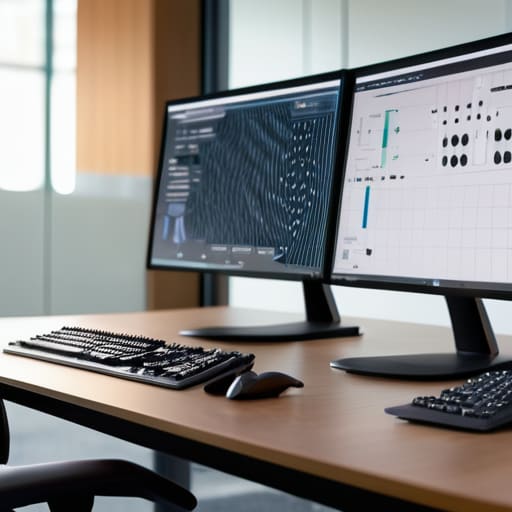
I’ve seen too many NGOs spend half their budget on high-gloss recruitment brochures featuring diverse staff, only to realize they haven’t actually prepared the infrastructure for them to stay. It is easy to write a policy about removing barriers to employment, but it is a different matter entirely when a new hire arrives and realizes the software they need doesn’t support screen readers, or the office layout makes navigation a nightmare. A mission statement doesn’t get a person through the door; a functional workspace does.
True inclusion isn’t a checkbox at the HR level; it is a technical requirement. If you are talking about neurodiversity in the workplace, don’t just offer a “quiet room” that stays locked half the time. Look at the sensory load of the environment. If you are hiring remote teams, universal design for digital access isn’t a luxury—it is the baseline. If the digital tools are broken, the person is sidelined before they even clock in. We need to stop treating these adjustments as “special favors” and start treating them as the basic logistics of a functional operation. If the equipment doesn’t work, the mission fails.
Workplace Accessibility Accommodations That Actually Move the Freight

I’ve spent enough time in transit hubs to know that a plan is only as good as its weakest link. You can have the most sophisticated procurement software in the world, but if the driver can’t read the interface, the shipment stays parked. The same logic applies to the office. Most organizations treat workplace accessibility accommodations like a checklist for a compliance audit rather than a functional necessity. They buy a fancy ergonomic chair or a specialized keyboard and call it a day, but they fail to realize that true accessibility is about the flow of information and movement. If a staff member needs a specific software adjustment to perform their role, but the IT department treats that request like an unauthorized change to a cargo manifest, you haven’t solved anything. You’ve just created a bottleneck.
It also goes deeper than physical hardware. I’ve seen too many “inclusive” environments that ignore neurodiversity in the workplace because it’s harder to quantify than a wheelchair ramp. You can’t see a sensory overload the way you can see a broken lift, but the result is the same: the person is sidelined and the work stops. Real inclusion means designing systems that work for different cognitive loads from the start. If your internal communications rely on high-pressure, unstructured verbal cues, you are essentially blocking the supply line for half your team. It isn’t about being “nice”; it’s about ensuring the talent you’ve hired actually has the tools to deliver.
## The Difference Between a Policy and a Payload
“I don’t care how many pages your inclusivity manual has or how many glossy photos of diverse teams you put in the annual report. In my experience, inclusion isn’t a sentiment you broadcast; it’s a functional requirement. If the office entrance is a step and the software isn’t compatible with a screen reader, your policy is just dead weight. Real inclusion is measured by whether the person can actually do the job without fighting the building to get there.”
Yusuf Lindqvist
The Logistics of Real Inclusion

At the end of the day, inclusion isn’t a metric you track in a quarterly CSR report or a line item in a donor’s budget. It is the physical reality of your operations. We have discussed how removing employment barriers requires more than just a signed contract, and how workplace accommodations only matter if they function under pressure. If the software is incompatible or the doorway is too narrow, your policy is just paperwork without a purpose. True inclusion is found in the mechanical reliability of your systems—ensuring that the tools, the physical space, and the workflows actually support the person using them, regardless of their physical or cognitive requirements.
I have spent too many years watching aid projects fail because someone focused on the grand vision instead of the last mile of delivery. The same principle applies here. You can have the most progressive inclusivity manifesto in the world, but if the practical infrastructure isn’t there, you haven’t actually achieved anything. Stop measuring your success by the eloquence of your mission statement and start measuring it by the functional accessibility of your environment. Inclusion is not a sentiment; it is a logistical requirement that must be met for the mission to succeed.