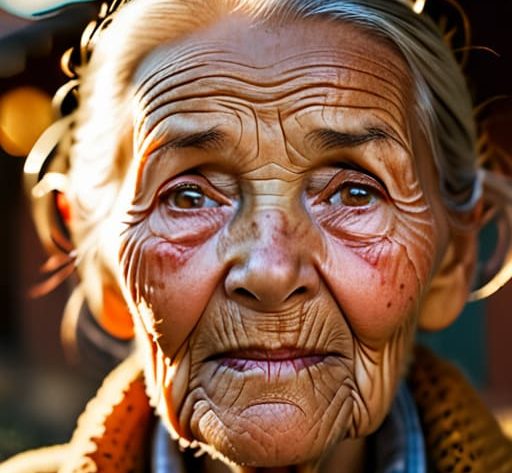
I once sat in a humid warehouse in Goma, staring at a glossy fundraising brochure that featured a tearful child looking directly into the lens. The photo was technically perfect—lighting, composition, everything—but it felt like a lie. In the field, you learn quickly that a picture can be a beautiful mask for a logistical failure. People spend far too much time debating the nuances of “artistic intent” when they should be asking about consent and dignity. If you want to know how to choose a photograph ethically, stop looking at the aesthetic quality and start looking at the power dynamic captured in the frame.
I am not here to give you a lecture on color theory or the ethics of high-resolution imagery. I’m going to give you the same scrutiny I applied to a cargo manifest: does this image represent the truth of the situation, or is it just a well-packaged product? I will show you how to strip away the sentimentality and select visuals that respect the subject’s agency without exploiting their struggle for a click.
Table of Contents
The Weight of Informed Consent in Photography
In my experience, consent isn’t a signature on a release form that you tuck into a folder and forget. It’s a transaction of dignity. I’ve seen too many photographers treat a subject like a piece of cargo—something to be loaded, processed, and shipped off to a donor’s newsletter. But when we talk about informed consent in photography, we aren’t talking about legal indemnity; we are talking about whether the person understood that their face would be used to trigger a specific emotional response in someone thousands of miles away. If they don’t know how the image will be used to pull at heartstrings, the consent is hollow.
The real friction occurs when the lens is used to strip away agency. You can follow every rule of visual storytelling ethics and still end up with a shot that feels like a theft. I’ve always believed that if you have to wait for someone to look away or look down to get “the shot,” you’ve already lost the moral high ground. A photograph should be a record of a moment, not a harvest of someone’s vulnerability. If the person in the frame wouldn’t recognize themselves in the context of the final print, you haven’t captured a human being; you’ve just exploited a scene.
Avoiding Exploitative Photography for Shallow Gains
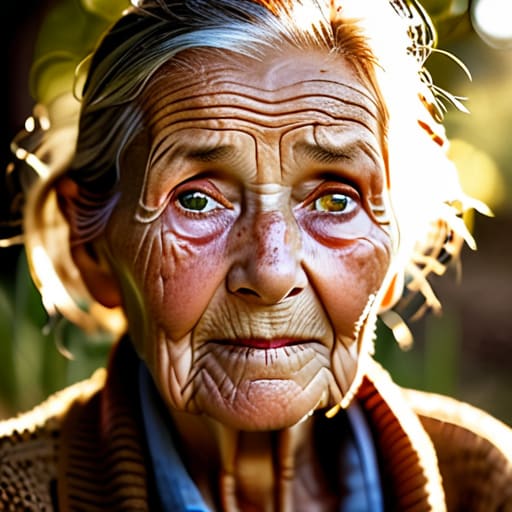
I’ve seen the fundraising brochures. They always feature the same thing: a child with wide, hollow eyes, staring directly into the lens as if waiting for a miracle. It’s a calculated aesthetic designed to trigger a quick dopamine hit of pity, which translates into a click on a donation button. But in my experience, that kind of visual storytelling ethics is a hollow victory. If you are using a person’s trauma to bridge a gap in your budget, you aren’t documenting a crisis; you are mining it. True efficacy isn’t found in the tears captured in a high-resolution frame, but in the dignity of the subject who remains more than just a prop for a marketing campaign.
When we talk about avoiding exploitative photography, we have to look at the power imbalance inherent in the shutter click. The photographer has the gear, the agency, and the exit strategy. The subject often has nothing but a temporary moment of visibility. If the image suggests a state of permanent helplessness to drive “shallow gains,” you have failed the mission. We need to move toward representation and diversity in imagery that shows agency—people fixing their own roofs, managing their own clinics, or simply existing without the requirement of being a tragedy. If the photo doesn’t respect the person’s autonomy, it doesn’t matter how much the appeal raises; the cost was too high.
## The visual inventory
An image is just another line item in a report, and if you haven’t accounted for the dignity of the person in the frame, your entire ledger is cooked.
Yusuf Lindqvist
The Final Manifest

At the end of the day, choosing an ethical photograph isn’t about mastering a specific aesthetic or following a checklist of sensitivity training. It is about the mechanics of dignity. We have looked at the necessity of informed consent and the trap of using suffering as a shortcut to engagement. If you are selecting an image, you must weigh the transactional cost of that person’s privacy against the utility of the visual. An ethical choice means ensuring the subject isn’t just a prop in a fundraising narrative, but a person whose agency was respected before the shutter clicked. If the image relies on a power imbalance to work, it is a failed piece of communication.
I have spent too many years watching cargo move through broken systems to believe in easy fixes, but I believe in the integrity of the process. A photograph is a record, much like a signed manifest, and it must be accurate to the reality it claims to represent. Don’t aim for the image that triggers the most immediate impulse to give; aim for the one that preserves the humanity of the recipient. When we stop treating people as symbols of crisis and start treating them as stakeholders in their own stories, our work finally moves from mere sentiment toward genuine accountability.