
I remember sitting in a humid, makeshift office in Goma, staring at a glossy report that claimed “market functionality was stabilizing” based on a handful of survey responses. Outside, the actual local traders were struggling to find even basic grain because the supply lines were severed. There is a massive, dangerous gap between what a consultant writes in a polished PDF and how markets are assessed in an emergency on the ground. Most people think it’s about complex econometric modeling or high-level data sets, but they’re missing the point entirely. In my experience, if you aren’t looking at the actual flow of goods and the physical availability of stock, you aren’t assessing a market; you’re just reading a fantasy.
I’m not here to sell you on academic theories or the latest expensive software. I want to talk about the grit of it: how you actually determine if a local economy is breathing or dying when the infrastructure is falling apart. I will show you how to look past the noise to see the real indicators—the stuff that tells you if a trader can actually restock their shelves or if the entire system is about to collapse.
Table of Contents
Beyond the Noise Reading True Market Functionality Indicators
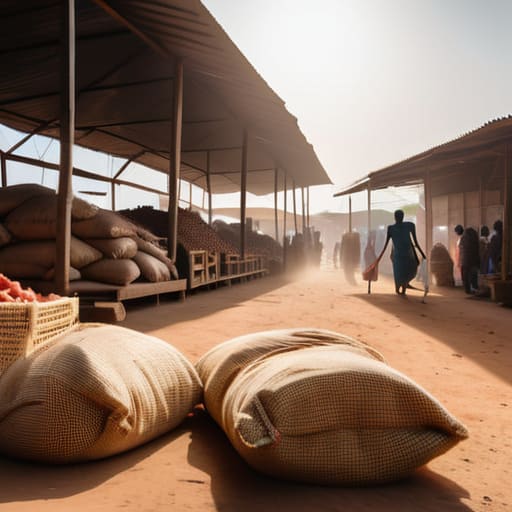
When I was stationed in South Sudan, I learned quickly that you don’t look at the high-level reports to see if a market is alive; you look at the dust. If the traders are moving, if the stalls are being restocked, and if the local currency is actually changing hands, the market is functioning. You have to look past the frantic headlines about commodity price volatility in crises and focus on the physical movement of goods. A spike in price might just be a seasonal shift, but a total absence of trucks at the depot? That is a systemic failure.
True market functionality indicators aren’t found in a donor’s quarterly summary. They are found in the availability of small-scale credit and the ability of a mother to walk to a vendor and actually buy a kilo of maize. If the local traders have no way to restock because of supply chain disruptions during disasters, then the market is a ghost town, regardless of what the official stability indices say. I don’t care about the projected inflation numbers; I care if the vendor has enough stock to meet a sudden surge in demand. If the goods aren’t hitting the shelves, the market is broken.
Is the Food Actually There Prioritizing Food Security and Market Availabili
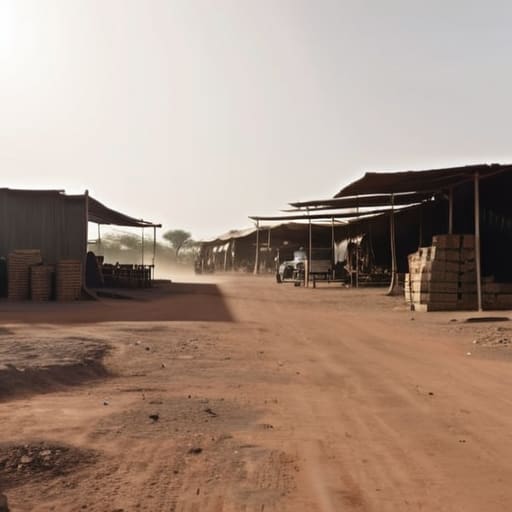
When I was working in South Sudan, I learned quickly that a full warehouse in a capital city means nothing if the local markets are hollowed out. People talk about food security as if it’s a static metric, but in a crisis, it is a moving target. You can’t just look at a grain silo; you have to look at the movement. I’ve seen cases where the food was technically in the country, but supply chain disruptions during disasters meant it was stuck in a customs loop or rotting on a tarmac three hundred kilometers from the people who needed it. If the traders aren’t moving, the food isn’t there.
Real humanitarian market analysis requires looking past the caloric totals and focusing on the traders. I look for the small-scale actors. Are the local vendors still stocking maize, or have they gone quiet? If you see sudden commodity price volatility in crises, it’s usually a signal that the buffer is gone. It isn’t just about the presence of food, but the predictability of its arrival. If a trader can’t tell you when their next shipment is coming because the roads are washed out or the fuel is gone, then the market has already failed, regardless of what the official reports say.
The metric that matters
You can spend weeks analyzing consumer purchasing power and price volatility indices, but none of those spreadsheets will tell you if the supply chain has actually snapped. In a real crisis, a market isn’t ‘functioning’ because the data looks stable; it’s functioning because the trucks are moving and the shelves aren’t empty.
Yusuf Lindqvist
The Reality on the Ground

At the end of the day, assessing a market in a crisis isn’t about looking at high-level economic theory or waiting for a polished report from a headquarters in Geneva. It is about the granular reality: are the traders actually trading, is the price volatility staying within a survivable range, and—most importantly—is the physical supply chain still breathing? We look at price indices and availability because we have to, but those are just proxies. The real data lives in the gaps between the stalls and the movement of the trucks. If the commodity flow has stopped, the market is dead, regardless of what the preliminary assessment spreadsheets claim.
We often get lost in the metrics, trying to quantify human suffering into neat little percentages. But my time in the field taught me that the most important metric is the one that determines whether a family eats tomorrow. We don’t do this work to balance books or satisfy donors with impressive-looking graphs; we do it to ensure the infrastructure of survival remains intact. If we get the logistics right and keep the markets moving, we provide something much more valuable than a handout: we provide the stability required for a community to eventually stand on its own again.