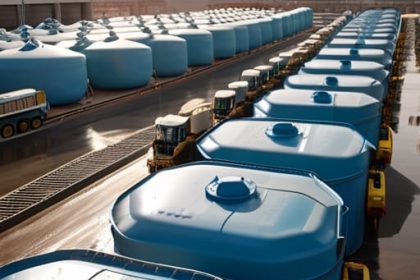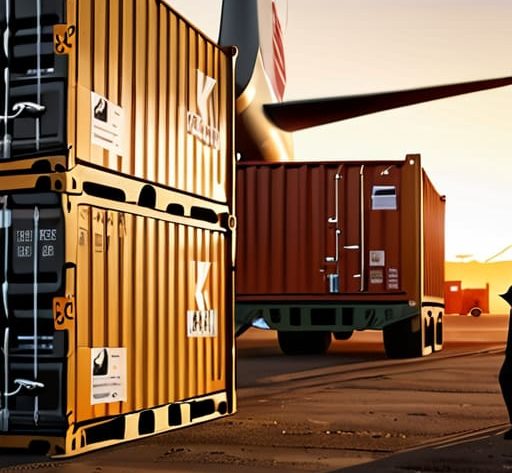
I spent most of my nine years in East Africa listening to the sound of diesel engines struggling against mud that didn’t care about our mission statements. Most people think understanding how logistics work in a response is about mastering complex software or balancing multi-million dollar procurement budgets, but they’re dead wrong. You can have the most sophisticated, cloud-based tracking system in the world, but if that system doesn’t account for a washed-out bridge or a local militia checkpoint, it’s just expensive digital wallpaper. The real work isn’t in the boardroom; it’s in the grit of the supply chain when everything goes sideways.
I’m not here to give you a lecture on humanitarian theory or the latest high-level strategic frameworks. I’ve kept every cargo manifest I’ve ever signed because they tell the actual story of what happened on the ground. In this series, I’m going to strip away the sentimental jargon and show you the mechanics of the movement. I will tell you exactly how things move, why they stop, and what it actually takes to ensure that the cargo doesn’t just exist on a spreadsheet, but actually reaches the destination.
Table of Contents
The Brutal Reality of Rapid Deployment Logistics Models
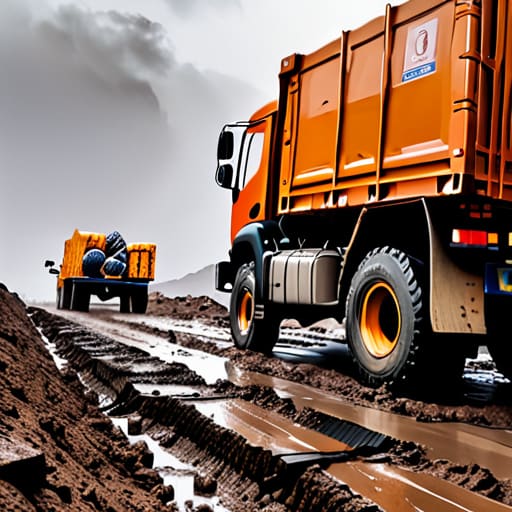
The theoretical frameworks for rapid deployment logistics models look clean on a whiteboard in Geneva. They promise seamless integration and instant scalability. In reality, these models usually collapse the moment they hit a mud track or a closed border crossing. You can have the most sophisticated emergency procurement processes in the world, but they don’t mean a thing if the local vendor hasn’t been paid or if the fuel depot is empty. Most of the “rapid” part of the deployment is actually just a frantic scramble to fix things that were broken before the first crate even left the warehouse.
In the field, we aren’t managing abstract flows; we are fighting a war against friction. The real bottleneck isn’t the global supply chain; it’s the last mile delivery in crisis zones where the map suddenly stops being accurate. You might have ten tons of high-energy biscuits sitting in a regional hub, but if the bridge is washed out and the local militia wants a “transit fee,” your optimized model is just a pile of expensive paper. Success isn’t measured by the speed of the initial shipment, but by the stubborn persistence required to actually get the goods into the hands of the people who are waiting.
Why Supply Chain Management in Emergencies Fails Without Grit
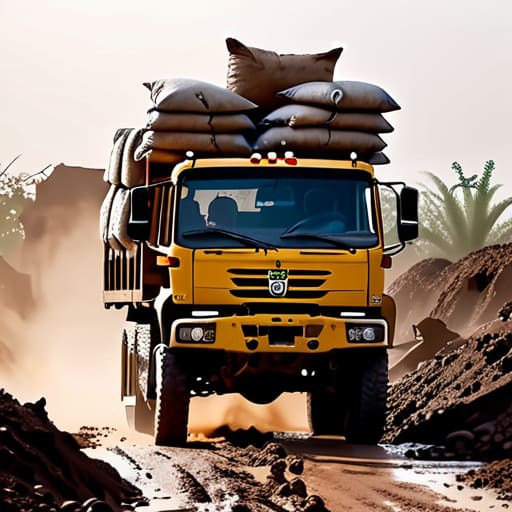
You can have the most sophisticated software in the world, but it won’t help you when a mudslide turns a primary artery into a river of sludge. I’ve seen procurement officers in air-conditioned offices in Geneva obsess over emergency procurement processes that look perfect on a screen, only to watch those same supplies rot in a warehouse because nobody accounted for the fact that the local bridge was washed out. Logistics isn’t a math problem; it’s a negotiation with chaos. If you don’t have the grit to find a guy with a donkey cart or a local driver who knows which backroads won’t swallow a 10-ton truck, your entire strategy is just expensive paper.
The real failure happens at the final junction. Everyone talks about the grand scale of aid, but the actual success or failure of last mile delivery in crisis zones comes down to sheer, stubborn persistence. It’s about the person who stays awake for forty-eight hours straight to ensure a shipment of temperature-sensitive vaccines doesn’t sit on a sun-baked tarmac. When the systems break—and they always break—it isn’t the spreadsheets that save the mission. It’s the people who refuse to accept “it’s impossible” as an answer.
The metric that matters
I don’t care about the million-dollar fundraising goal or the glossy brochures showing smiling faces; those are just numbers on a spreadsheet. In a real crisis, the only metric that isn’t a lie is the one that tracks whether the cold chain held and whether the crates actually cleared the final checkpoint before the rains turned the road into a graveyard.
Yusuf Lindqvist
The Bottom Line
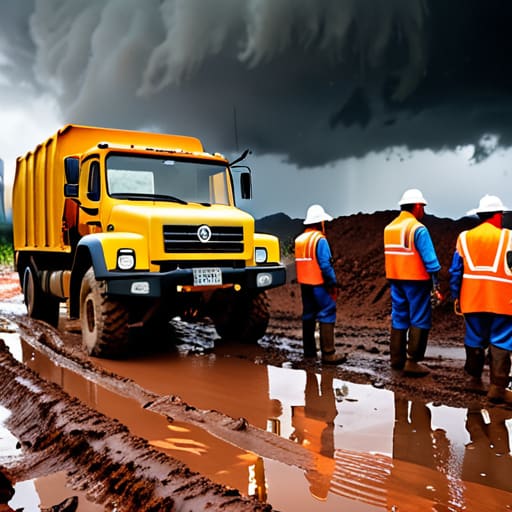
At the end of the day, you can have the most sophisticated procurement software in the world and a boardroom full of experts discussing “strategic frameworks,” but none of it matters if the last mile is broken. We have seen how rapid deployment models crumble under local pressure and how even the best supply chain plans fail when they lack the human grit to navigate a washed-out road or a closed border. Logistics isn’t a theoretical exercise in optimization; it is a physical, messy, and often exhausting struggle against geography and bureaucracy. If the medicine stays sitting in a warehouse in Nairobi because nobody figured out the local trucking permits, the mission has failed.
I don’t look at the glossy brochures or the multimillion-dollar fundraising totals to judge a response. I look at the manifests. I look at the delivery logs. I look for the proof that the heavy lifting actually happened when the situation turned critical. If you want to make a difference in this field, stop obsessing over the sentiment and start mastering the movement. Because when the sirens are blaring and the need is absolute, the only thing that truly speaks is the sound of a diesel engine idling at a distribution point, ready to move the cargo that actually saves lives.