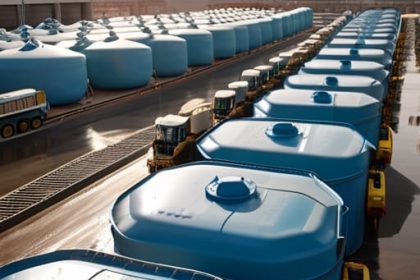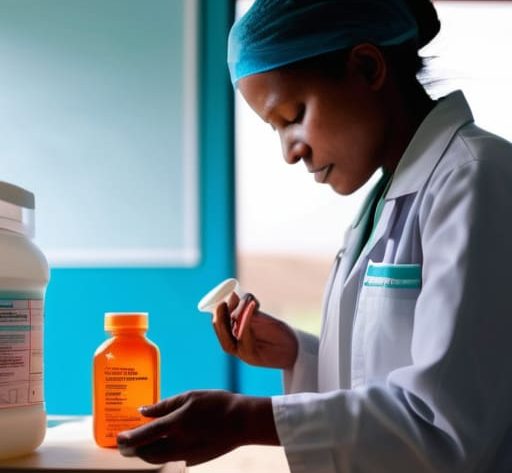
I remember sitting in a humid warehouse outside Goma, staring at a stack of high-level policy briefs that detailed exactly how nutrition programmes work in emergencies, while the actual shipment of Ready-to-Use Therapeutic Food (RUTF) sat stuck three hundred kilometers away because a bridge had washed out. The experts in Geneva were debating micronutrient ratios and long-term sustainability, but none of those theories mattered when the physical supply chain was broken. You can have the most sophisticated nutritional protocols in the world, but if the cargo doesn’t move, the science is just expensive paper.
I’m not here to talk to you about the sentimentality of aid or the impressive totals on a fundraising brochure. I want to pull back the curtain on the unfiltered reality of the field. I am going to explain how these programmes actually function when the rain starts falling and the roads turn to soup. We will skip the jargon and focus on the hard mechanics of procurement, storage, and the brutal reality of last-mile delivery. If you want to understand how we actually keep people alive, you have to follow the crates.
Table of Contents
Beyond the Budget Deploying Humanitarian Food Assistance Models
Beyond the Budget: Deploying Humanitarian Food Assistance Models
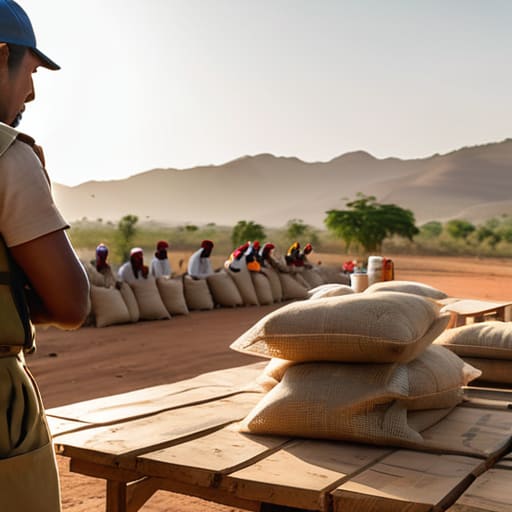
When a crisis hits, the headquarters in Geneva or Nairobi starts talking about funding gaps and procurement cycles. But on the ground, we aren’t looking at balance sheets; we are looking at the mechanics of humanitarian food assistance models. You have to decide immediately if you are going with in-kind distributions or cash transfers. In a stable market, cash is king because it preserves dignity and supports local traders. But if the markets have collapsed or the roads are washed out, cash is just useless numbers on a screen. In those cases, you need physical stock—and you need it yesterday.
This is where the actual work of nutritional rehabilitation in refugee camps becomes a heavy-lift operation. We rely heavily on ready-to-use therapeutic food (RUTF) because it doesn’t require clean water or cooking—two things that are usually in short supply when things go south. However, RUTF is a specialized commodity. It isn’t just “food”; it’s a medical tool. If the cold chain breaks or the shipment gets stuck at a border crossing due to a paperwork error, the most sophisticated acute malnutrition treatment protocols in the world won’t mean a damn thing. You can have the best medical strategy on paper, but without the physical paste in the clinic, the protocol is just a ghost.
The Logistics of Survival Moving Rutf Through Conflict Zones

The paperwork says the RUTF is sitting in a warehouse in a capital city, but in a conflict zone, that doesn’t mean a thing. To me, the real metric is the weight of the boxes actually hitting the ground in the field. Moving ready-to-use therapeutic food RUTF through active combat zones isn’t about following a clean supply chain model; it’s about negotiating with local militias, managing fuel shortages, and praying the rainy season doesn’t turn the only access road into a river of sludge. You can have the most sophisticated acute malnutrition treatment protocols in the world, but they are useless if the driver has to turn back because a checkpoint is suddenly closed.
I’ve seen entire shipments of life-saving paste sit idle for weeks because the “last mile” was too politically sensitive or too physically broken. In these scenarios, logistics becomes a game of constant improvisation. We aren’t just moving cargo; we are managing extreme volatility. If the trucks don’t move, the nutritional rehabilitation in refugee camps stalls, and the statistics start climbing. At the end of the day, the success of an intervention isn’t measured by the volume of the procurement contract, but by the physical presence of the pallets at the clinic door.
## The Metric of Success
“You can print all the glossy brochures you want about ‘nutritional outcomes’ and ‘intervention targets,’ but in a real crisis, those are just words on a page. The only metric that actually keeps a child alive is the physical presence of a crate of RUTF in a clinic that was empty yesterday.”
Yusuf Lindqvist
The Last Mile
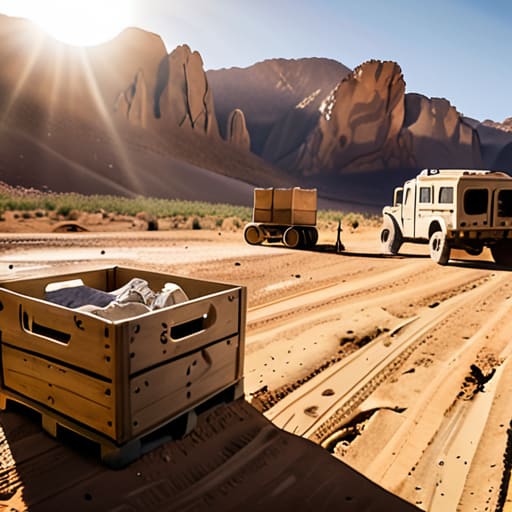
At the end of the day, a nutrition programme is not defined by the millions of dollars pledged in a Geneva boardroom or the sophisticated nutritional formulas developed in a lab. It is defined by the unbroken chain between the warehouse and the clinic. We have talked about procurement cycles, the complexities of RUTF distribution, and the nightmare of navigating active conflict zones, but none of that matters if the final link fails. If the supply chain snaps at the last mile, the budget is just a collection of meaningless numbers on a ledger. Success is measured in metric tons delivered and empty crates returned, not in the sentiment of the press release.
I have spent too many nights listening to the static on my shortwave radio, waiting for word that a convoy had cleared a checkpoint or survived a wash-out. It is a grim, unglamorous business, stripped of the romanticism often found in humanitarian brochures. But there is a quiet, hard-won dignity in getting it right. When the dust settles and the trucks are parked, the real victory isn’t the applause—it is the fact that the supplies actually arrived where they were needed most. That is the only metric that holds weight when the lives of thousands are hanging on the integrity of the manifest.