
People love to talk about the “humanitarian spirit” and the emotional weight of bringing loved ones together, but if you ask me, that’s just noise. They treat it like a grand, sweeping gesture, when in reality, understanding how family reunification works is less about sentiment and more about navigating a brutal bottleneck of bureaucracy. I’ve spent years watching NGOs promise “hope” while the actual paperwork sat gathering dust in a regional office because someone forgot a single notarized stamp. It isn’t a miracle; it is a logistical grind of forms, waiting rooms, and very specific, very unforgiving requirements.
I’m not here to give you a lecture on the sanctity of the family unit or some polished guide written by a lawyer who has never stepped foot in a crowded consulate. My goal is to strip away the jargon and show you the actual mechanics of the process. I will tell you exactly where the gears grind, where the delays hide, and what you actually need to move the needle. We aren’t looking for a sentimental victory; we are looking for the successful arrival of your people.
Table of Contents
Navigating the Labyrinth of Immigration Reunification Procedures
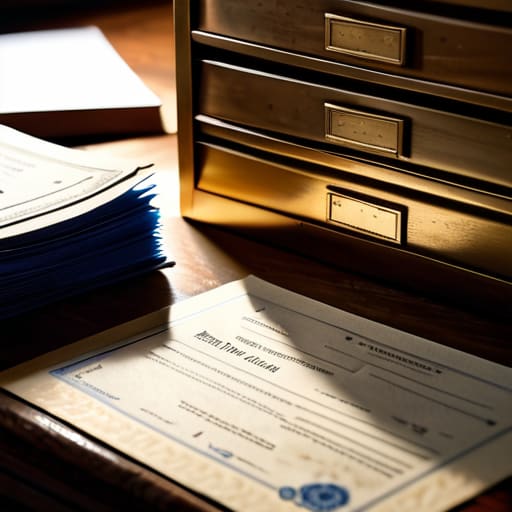
The bureaucracy is a different kind of terrain, and unlike a muddy track in South Sudan, you can’t just drive around a pile of paperwork. When people talk about immigration reunification procedures, they tend to focus on the lofty ideals of human rights. I don’t care about the ideals; I care about the filing cabinets. You can have all the intent in the world, but if a single birth certificate is missing a stamp or a marriage license is lost in a transit hub, the whole operation stalls. It isn’t about the sentiment of the cause; it is about the integrity of the documentation.
I’ve seen families stalled for years because they couldn’t meet the specific legal requirements for reunification required by a particular embassy. It’s a logistical nightmare where the “cargo” is a human being. You see people attempting finding lost relatives through digital traces, but the state requires physical, verifiable proof that often doesn’t exist in conflict zones. You aren’t just managing a case; you are managing a supply chain of identity. If the proof of lineage doesn’t arrive at the desk in the correct format, the person stays where they are. Period.
Meeting the Legal Requirements for Reunification Without Losing Your Soul

The lawyers will hand you a checklist of legal requirements for reunification that looks like a cargo manifest for a shipment of heavy machinery. They want birth certificates, marriage licenses, and notarized affidavits. In my experience, the problem isn’t the lack of documents; it’s the way the process treats a human life like a broken link in a supply chain. You spend months documenting family history through scanned PDFs and grainy photocopies, trying to prove to a bureaucrat that the person on the other side of the border actually exists.
It is easy to become cynical when you are stuck in this loop. You start seeing your family not as people, but as a series of administrative hurdles to be cleared. I’ve seen people lose their sense of agency because they are so focused on the technicalities of reconnecting separated families that they forget why they started the process in the first place. You have to realize that the paperwork is just the freight; it is not the cargo. Don’t let the obsession with the stamps and the filing fees strip away the actual purpose of the mission. The goal isn’t a completed file—it is the moment the door finally opens.
## The Logistics of Belonging
I’ve spent a decade tracking crates of antibiotics across borders, and I’ve learned that a policy document is just a piece of paper until the cargo actually clears the checkpoint. Family reunification is no different; you can study the legal frameworks until you’re blue in the face, but the only metric that matters is whether the person you love actually clears customs and walks through your front door.
Yusuf Lindqvist
The Final Manifest

At the end of the day, family reunification isn’t a theoretical exercise in human rights or a series of high-level policy debates. It is a grueling sequence of verified documents, strict legal thresholds, and the sheer stamina required to push a file through a bureaucratic machine that wasn’t built to move. You have to navigate the legalities, prove the ties, and survive the administrative silence without letting the process strip away your dignity. It is a logistical nightmare, but the goal remains singular: moving a person from point A to point B. If the paperwork is filed and the requirements are met, the mechanism eventually turns.
I have spent years watching cargo move through broken corridors, and I know that the most important thing is that the shipment reaches its destination. In this context, the shipment is a human being. The systems are flawed, the wait times are often unjust, and the bureaucracy is cold, but the objective is absolute. Don’t get lost in the frustration of the “why” or the “how long.” Focus on the delivery of the result. When that person finally walks through the door, the manifests, the stamps, and the legal hurdles won’t matter anymore. Only the arrival matters.