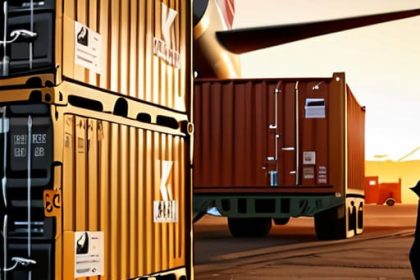
I remember sitting in a humid, windowless office in Goma, staring at a glossy twenty-page report about “advocacy frameworks” and “community-based protection mechanisms.” The document was beautiful, filled with high-level jargon and expensive photography, but it didn’t mention the fact that the local checkpoint commander had just increased his unofficial “tax” on our transit vehicles. People love to talk about the theory of how protection work is done, treating it like a grand intellectual exercise or a series of high-level meetings in Geneva. But in the field, protection isn’t a white paper; it is the physical ability to ensure a woman can reach a clinic without being harassed, or making sure a camp isn’t situated on a flood plain that will wash away by Tuesday.
Forget the lofty mission statements and the theoretical models for a moment. I’m not here to sell you on the idealism of the humanitarian sector; I’m here to talk about the mechanics of reality. Over the next few sections, I will strip away the sentiment and show you the actual, gritty logistics of how protection work is done when the paperwork fails and the terrain gets difficult. This is about the practical, unglamorous steps required to turn an intention into a result.
Table of Contents
Beyond the Paperwork Real World Protection Mainstreaming Principles
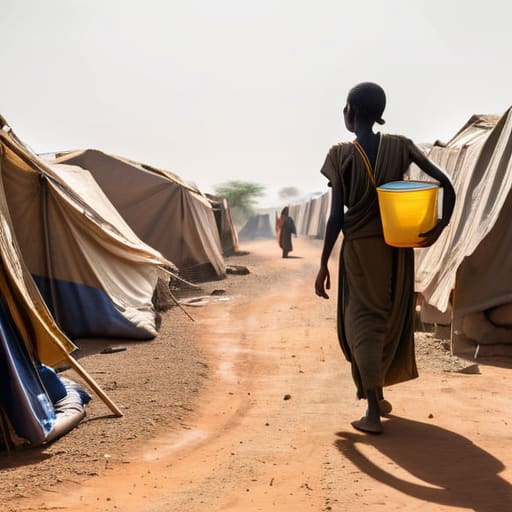
In the office, protection mainstreaming principles look like a series of colorful flowcharts and high-level training modules. On paper, it’s all about ensuring dignity and access. But when you’re standing in a dusty transit camp in South Sudan, those principles don’t mean much if the distribution point is located in a spot where women are intercepted by local militias on their way back. You realize quickly that risk assessment in protection work isn’t a desk job; it’s a constant, granular observation of how people move through space. If the location of the aid hub creates a new threat, your “mainstreaming” has failed, regardless of what the donor report says.
It’s easy to get lost in the theory of safeguarding vulnerable populations, but the reality is found in the friction of the field. I’ve seen teams follow every case management protocol to the letter, yet still miss the fact that the most marginalized groups weren’t even aware the service existed because the communication didn’t account for local literacy rates. Real protection isn’t a checkbox on a checklist; it is the physical safety of the person walking toward the supply line. If the logistics don’t account for the actual movement of people, the paperwork is just a way to document a failure.
When the Theory Fails the Field
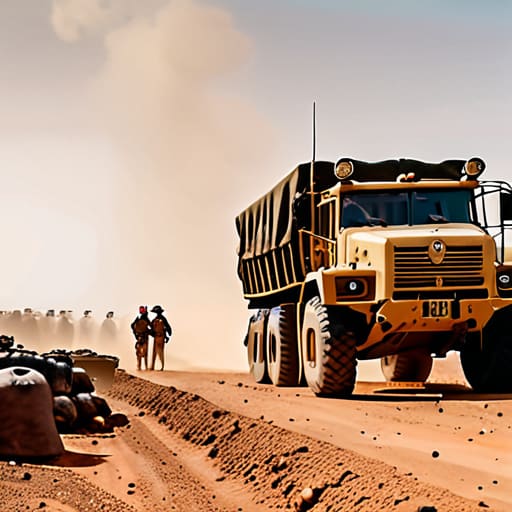
The reality is that a well-drafted manual doesn’t mean much when you’re stuck at a checkpoint with a truckload of supplies and no way to verify the safety of the people waiting at the end of the line. In the office, we talk about protection mainstreaming principles as if they are self-executing code. We assume that if the training is done, the safety follows. But out in the field, theory hits a wall of mud, corruption, and broken infrastructure. You can have the most sophisticated risk assessment in protection work printed on high-quality gloss paper, but it won’t stop a local militia from demanding a “fee” to let a convoy through.
I’ve seen teams try to follow strict case management protocols while operating in zones where the basic communication lines are dead. When the signal drops, the protocol becomes a ghost. You stop looking at the spreadsheet and start looking at the horizon, wondering if the people you are supposed to be safeguarding are even still in the location you mapped out three days ago. In those moments, the gap between the humanitarian standards written in Geneva and the actual movement of people on the ground becomes an abyss. It isn’t about the elegance of the strategy; it’s about the friction of the reality.
The Gap Between Policy and Pavement
You can spend six months in a Geneva conference room drafting the perfect protection framework, but none of those principles matter if the truck carrying the hygiene kits gets hijacked at a checkpoint or stuck in a mudslide. Protection isn’t a set of bullet points in a donor report; it’s the physical ability to reach the person who needs it without them being put at more risk by our presence.
Yusuf Lindqvist
The Bottom Line

At the end of the day, protection isn’t a theoretical framework or a series of checkboxes on a donor report. I’ve seen enough broken axles and seized customs forms to know that the most sophisticated protection mainstreaming strategy in the world is useless if the physical security of the person receiving the aid is compromised by the very process of delivery. We talk about “do no harm” in air-conditioned offices, but in the field, that principle is tested by the weight of the cargo and the reliability of the transport route. If the mechanism of delivery creates a new vulnerability, then the system has failed, regardless of how much funding was processed or how many workshops were held.
We need to stop measuring success by the volume of the appeal and start measuring it by the integrity of the arrival. True protection work is found in the grit of the logistics—in the driver who knows which checkpoint to avoid and the warehouse manager who ensures the most vulnerable aren’t exposed while waiting in line. It is unglamorous, unphotogenic, and rarely makes the front page of a newsletter. But if we want to move beyond sentiment and into actual impact, we must commit to the unseen mechanics of safety. Because in this business, the only metric that truly matters is that the cargo arrived intact and the people it was meant for remained safe.