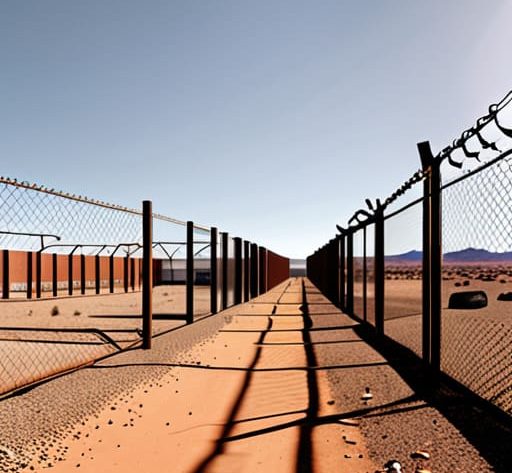
I spent nine years watching supply chains crumble in the DRC, and if there is one thing I learned, it’s that people love to argue about the theory of movement while ignoring the actual mechanics of it. Politicians and pundits spend their days debating the grand philosophy of how asylum policy has changed, treating it like a high-minded intellectual exercise or a moral crisis to be solved with more rhetoric. But they’re looking at the wrong map. To them, it’s a debate about borders and rights; to anyone who has actually tried to move something—or someone—from point A to point B, it’s a question of bottlenecks, paperwork, and physical access.
I’m not here to give you a lecture on the sociological implications of new legislation. I have no interest in the sentimental fluff you’ll find in a standard news editorial. Instead, I’m going to strip away the jargon and look at the operational reality. I will show you exactly how these regulatory shifts function on the ground, focusing on the practical friction they create. We aren’t going to talk about the intent behind the laws; we are going to look at whether the logistics of human movement still actually work.
Table of Contents
Refugee Protection Frameworks Under Siege
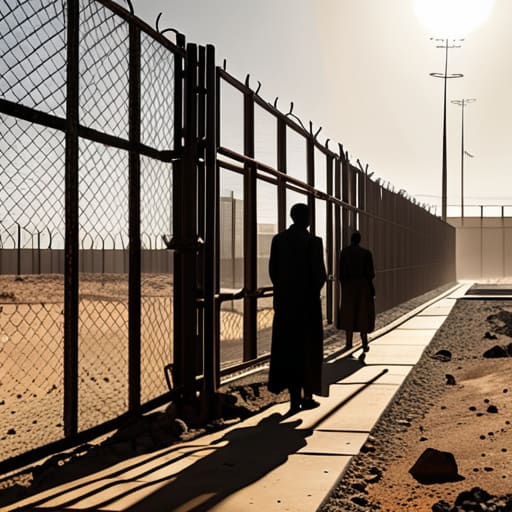
The bureaucrats in Geneva and Brussels love to debate the theoretical nuances of international humanitarian law, but on the ground, those frameworks are fraying at the seams. I’ve seen it before in the field: you can have all the signed treaties in the world, but if the administrative bottleneck at the transit point is intentionally tightened, the law becomes a ghost. We are seeing a systematic shift where refugee protection frameworks are being treated as obstacles to be bypassed rather than standards to be upheld.
It isn’t just about rhetoric; it is about the physical tightening of the net. The current migration management trends show a heavy pivot toward pre-emptive exclusion. Instead of processing people through established legal channels, the focus has shifted toward hardening the perimeter. When you look at the recent surge in deportation and detention policies, you realize the goal isn’t efficiency—it’s deterrence. They aren’t trying to manage the flow; they are trying to stop the clock entirely. In my experience, once the priority shifts from processing to prevention, the actual human being in the queue becomes nothing more than a logistical error to be corrected.
The Ghost of International Humanitarian Law

In my time managing supply lines through the Great Lakes region, I learned that a treaty is only as strong as the person standing at the checkpoint. On paper, international humanitarian law provides a clear set of rules for how we treat those fleeing conflict. It’s a clean, elegant architecture of rights and obligations. But in the field, that architecture feels increasingly skeletal. When I look at the current shift in how states approach their obligations, it’s not just a legal adjustment; it’s a systematic hollow-out of the protections that were supposed to be non-negotiable.
The problem is that legal frameworks don’t stop a truck at a border; people do. We are seeing a trend where the high-minded language of the Geneva Convention is being quietly bypassed by technicalities in deportation and detention policies. It’s a way of moving the goalposts without ever technically breaking the game. Instead of debating the merits of protection, the conversation has shifted entirely toward the mechanics of exclusion. To the bureaucrats in Brussels or DC, it looks like efficient migration management. To those of us who have spent years watching the physical reality of aid delivery, it looks like a calculated retreat from the very principles that define humanitarian work.
The Gap Between Paper and Pavement
Policy analysts spend their lives debating the nuances of legal frameworks and border definitions, but those shifts mean nothing to the person on the ground. You can rewrite every asylum regulation in the capital, but if those changes result in a closed checkpoint or a seized shipment of basic supplies, the law hasn’t evolved—it has simply become a barrier to the actual work of survival.
Yusuf Lindqvist
The Bottom Line

We can spend all day debating the nuances of legal frameworks or the shifting definitions of “safe third countries,” but at the end of the day, these policy shifts are just layers of paint on a crumbling structure. The reality is that the tightening of asylum regulations has created a massive gap between what is promised in a Geneva convention and what is actually delivered on the ground. Whether it is a reduction in legal aid or the physical blocking of a transit route, the result is the same: the mechanisms designed to facilitate safe passage are being systematically dismantled. We are seeing a move away from protection and toward a policy of managed attrition.
If there is any way forward, it won’t be found in a new white paper or a high-level summit in Brussels. It will be found in the refusal to let the logistics of human survival be treated as a secondary concern. We need to stop measuring success by the elegance of a new regulation and start measuring it by the actual movement of people toward safety. The policy might change, and the bureaucrats might rewrite the rules, but the fundamental mission remains: ensuring that when the need arises, the path remains open. The goal isn’t to manage a crisis; it is to ensure the delivery of human rights.