
I remember sitting in a humid, corrugated iron office in Goma, staring at a stack of legal briefs that cost more than my entire annual fuel budget. These lawyers were debating the nuances of Geneva, arguing over the exact wording of a clause, while my driver was being detained at a checkpoint three kilometers away because a local commander didn’t care about a treaty. People get lost in the academic fog, thinking that understanding how international humanitarian law applies is about memorizing statutes and debating the morality of a conflict. It isn’t. In the field, the law isn’t a philosophical exercise; it is the only thing standing between a truckload of life-saving antibiotics and a pile of burnt rubber on a dirt road.
I’m not here to give you a lecture on the fine print or the lofty ideals of the UN. I’ve spent nine years watching how these rules actually function—or fail to function—when the radio goes silent and the roads get blocked. I’m going to show you the unvarnished reality of how these protections translate into movement on the ground. We aren’t going to talk about what the law says on paper; we are going to talk about whether it actually gets the cargo through the gate.
Table of Contents
The Armed Conflict Legal Framework Is a Lifeline Not a Lecture
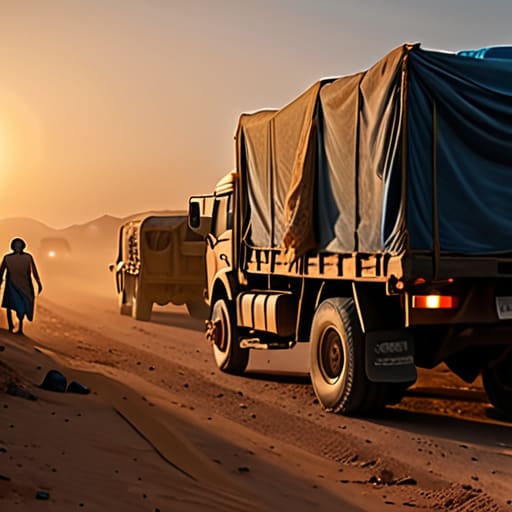
I’ve spent too many nights in humid warehouses listening to the static on my shortwave, waiting to hear if a convoy had cleared a checkpoint or been diverted. In those moments, the armed conflict legal framework isn’t some abstract concept discussed in a heated seminar in Geneva. It isn’t a lecture. To a driver stuck at a contested border, it is the only thing standing between a shipment of oxytocin and a pile of burnt scrap metal. When we talk about the protection of civilians in conflict, we aren’t just citing legal scholars; we are talking about the physical safety of the people standing on the edge of the road as a truck passes.
The real weight of these rules lies in the mechanics of distinction and proportionality in war. It’s easy to argue semantics in a climate-controlled office, but on the ground, those principles are the difference between a targeted strike on a munitions depot and a stray shell leveling a field hospital. If the distinction between a combatant and a medic is lost, the entire logistics chain collapses. You can have all the funding in the world, but if the legal protections don’t hold, the supplies simply never make it to the destination.
Jus in Bello Explained Through the Lens of Survival
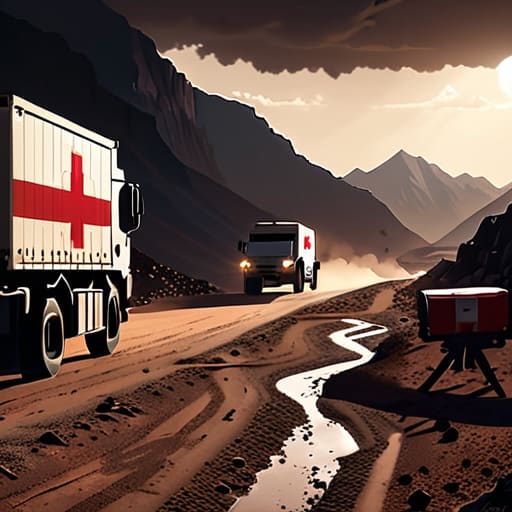
In my experience, jus in bello explained through a textbook is a waste of time. You won’t find the reality of it in a lecture hall; you find it in the mud of a checkpoint. When we talk about the rules of engagement, we aren’t debating philosophy. We are talking about the difference between a safe passage for a medical convoy and a pile of twisted metal on a mountain road. To a logistician, the law is the only thing that dictates whether a warehouse remains a neutral zone or becomes a target.
The core of the armed conflict legal framework boils down to two practical hurdles: distinction and proportionality in war. Distinction is simple, though rarely respected: you have to know the difference between a combatant and a civilian. If a commander can’t tell the difference, my trucks don’t move. Proportionality is even more granular. It’s the math of misery. It’s the calculation of whether a strike on a bridge—meant to stop an enemy—will inadvertently starve a village by cutting off its only supply route. When these principles fail, we don’t just see legal violations; we see broken supply chains and empty clinics.
The reality of the rules
I don’t care about the legal theory of distinction when I’m sitting in a dusty compound waiting for a clearance; I care that the rules are the only thing preventing a convoy of life-saving supplies from being treated like a target.
Yusuf Lindqvist
The Bottom Line
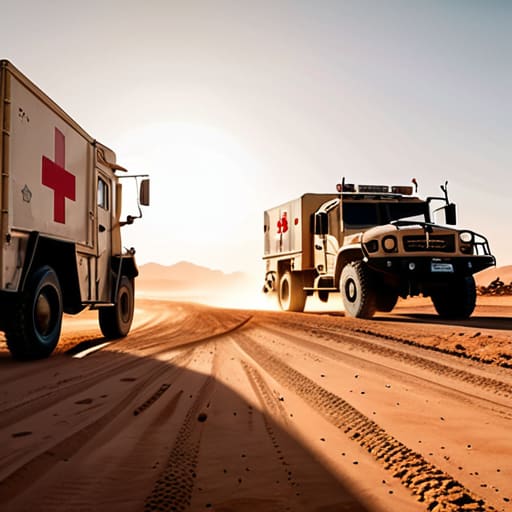
At the end of the day, International Humanitarian Law isn’t a collection of lofty academic debates or a checklist for lawyers in Geneva. It is the difference between a truck being allowed through a checkpoint or being seized as “contraband.” We’ve looked at how the legal frameworks provide the rules of engagement and how jus in bello serves as the only barrier between organized aid and total chaos. If these laws aren’t respected, the distinction between a combatant and a medic vanishes, and when that happens, the entire supply chain collapses. You can have all the funding in the world, but if the legal protections for neutral actors fail, the cargo stays parked at the border.
I have spent too many nights listening to the static on my shortwave radio, wondering if the convoys I sent out yesterday actually made it to the warehouse. I don’t care about the rhetoric used in press releases; I care about the physical reality of delivery. We must stop treating these laws as mere suggestions for the sake of diplomacy and start seeing them as the essential infrastructure of survival. The true measure of our international legal system isn’t found in a signed treaty, but in the uninterrupted movement of life-saving goods from the port to the person in need. That is the only metric that actually matters.