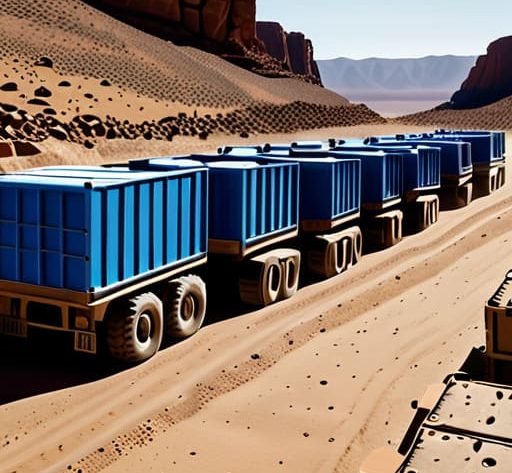
I spent nine years staring at dusty manifests in South Sudan and the DRC, and if there is one thing I learned, it is that the “big picture” is usually a lie. Don’t listen to the glossy annual reports or the million-dollar fundraising campaigns that focus on the sheer scale of the crisis. When people ask me how aid gets diverted, they expect a lecture on complex geopolitical corruption or high-level embezzlement. But in the field, it’s rarely that cinematic. It’s much more mundane and mechanical than that. It’s a missing signature on a waybill, a fuel surcharge that disappears into a local official’s pocket, or a warehouse door left unlocked at night.
I am not here to give you a lecture on humanitarian theory or the ethics of international development. I’m going to tell you how the machinery actually breaks down. I will show you the specific, unfiltered friction points where supplies vanish between the port and the village. If you want to understand the reality of the supply chain, you have to stop looking at the spreadsheets and start looking at the cargo manifests.
Table of Contents
Humanitarian Aid Corruption Mechanisms at the Border
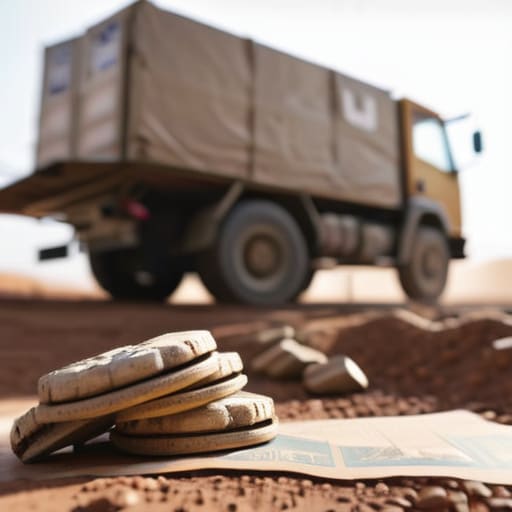
The border is where the math stops working. You can have a perfectly balanced manifest in a warehouse in Nairobi, but the moment that truck hits a checkpoint in a transition zone, the numbers start to bleed. It isn’t always a dramatic heist; more often, it is a series of small, systematic “fees” required to keep the wheels turning. I’ve seen officials hold entire convoys of high-calorie biscuits or surgical kits hostage, demanding a cut of the cargo just to stamp a piece of paper. This is the most common form of supply chain leakage in relief efforts—it’s a tax on survival that no one in a Geneva boardroom ever accounts for.
Once the goods pass that initial gate, the complexity of resource diversion in conflict zones increases. It becomes a game of shadows. A local warlord or a corrupt mid-level administrator doesn’t need to steal the whole truck; they just need to ensure that ten percent of the crates “fall off” during the final leg of the journey. By the time the shipment reaches the distribution point, the inventory is light, but the paperwork looks clean. They’ve mastered the art of making a theft look like a clerical error.
Resource Diversion in Conflict Zones and Shadows
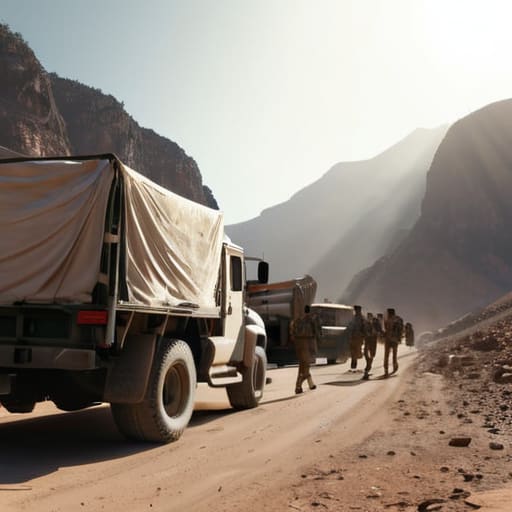
Once you move past the border checkpoints and into the actual theater of operations, the rules of engagement change. In a stable environment, you fight bureaucracy; in a conflict zone, you fight gravity and warlords. Resource diversion in conflict zones rarely looks like a thief running off with a crate of antibiotics. It’s more subtle. It’s the “protection fee” demanded by a local militia to allow a convoy through a specific valley, or the way a local strongman ensures that only his kin are on the recipient lists. By the time the cargo is officially logged as “distributed,” a significant percentage has already been siphoned off to fuel the very conflict we’re trying to mitigate.
This is where supply chain leakage in relief efforts becomes a systemic reality rather than an anomaly. When the security situation degrades, non-governmental organization oversight often takes a backseat to the immediate necessity of movement. If I had to choose between a detailed audit and getting a shipment of cholera kits to a besieged district before the rains hit, I’m taking the kits every single time. But that trade-off is exactly where the shadows live. The gap between what the manifest says left the warehouse and what actually reaches the hands of a displaced person is where the true cost of war is hidden.
The Metric of Truth
I don’t care about the press release claiming we raised fifty million dollars for the drought response. In my experience, the only number that tells you if anyone actually ate is the count of sealed pallets that cleared the final checkpoint and stayed sealed until they hit the distribution point. Everything between the donor’s bank account and that final signature is just a series of opportunities for someone to take a cut.
Yusuf Lindqvist
The Last Mile
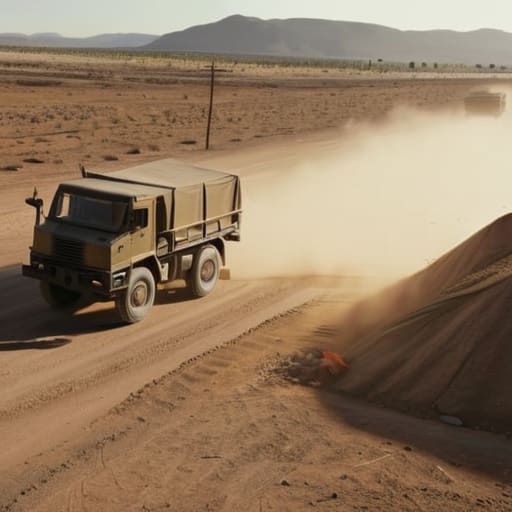
At the end of the day, the diversion of aid isn’t some abstract theory found in a policy paper; it is a series of physical, measurable failures. Whether it is a bribe paid at a checkpoint to move a convoy through a border crossing, or a local warlord siphoning off grain from a warehouse in a conflict zone, the result is the same. We can talk about “systemic vulnerabilities” all we want, but the reality is much more granular. It comes down to the broken links in the supply chain—the moments where a manifest is falsified or a driver is intimidated. If the paperwork says the shipment left the port but the village remains empty, the system has failed, regardless of how much money was raised in the initial appeal.
We have to stop measuring success by the amount of funding we secure and start measuring it by the integrity of the delivery. The work is hard, and the terrain is often unforgiving, but the goal remains constant: getting the actual cargo to the people who need it. It isn’t about the grand gestures or the high-level summits; it is about the grit required to ensure that every single crate reaches its destination. If we focus on the logistics, on the tracking, and on the stubborn refusal to let a shipment vanish into the shadows, we might actually start making a difference that lasts longer than a news cycle.