
I spent three years in South Sudan watching “community engagement workshops” eat up forty percent of project budgets while the actual delivery schedules sat gathering dust. Everyone in the NGO circuit loves to talk about stakeholder mapping and inclusive dialogue, but they treat how participation is meant to work like some abstract, spiritual exercise rather than a practical requirement. I’ve sat in enough air-conditioned tents listening to consultants debate the nuances of local agency to know that a well-facilitated focus group doesn’t mean a damn thing if the people involved don’t have the actual agency to influence the supply chain.
I’m not here to give you a lecture on theoretical frameworks or the latest buzzwords from Geneva. I’m going to tell you how this works when the rain is turning the roads to soup and the local leadership is more interested in the catering than the project goals. We are going to strip away the sentiment and look at the mechanics of involvement—the hard, unglamorous reality of making sure people aren’t just being “consulted,” but are actually part of the logistical engine that gets the job done.
Table of Contents
The Trap of Avoiding Performative Consultation
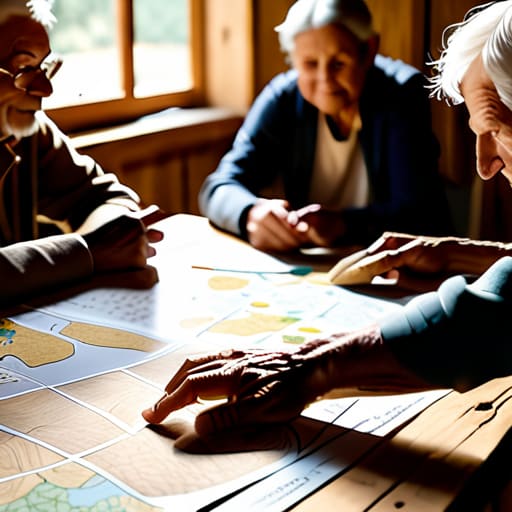
I’ve sat through enough town hall meetings in dusty community centers to know when a project is just a checkbox exercise. You see it all the time: the NGO arrives with a pre-packaged solution, holds a three-hour workshop, and calls it “community engagement.” In reality, they are just looking for a signature to satisfy a donor requirement. This is the core of avoiding performative consultation; it isn’t about the number of people in the room, but whether those people actually have the power to change the plan when the initial assumptions fail.
If you look at Arnstein’s ladder of participation, most of these field operations are stuck on the bottom rungs—mere manipulation or tokenism. They want the appearance of consensus without the messy reality of shared authority. I’ve seen entire supply chains derailed because a local leader was “consulted” only after the trucks were already on the road. When you treat people as passive recipients rather than active partners, you aren’t building resilience; you’re just building a temporary dependency that collapses the moment the funding cycle ends. Real involvement means being willing to let the community say “no” to your original design.
Why Arnsteins Ladder Defines Success or Failure

In my experience, most people treat “participation” like a checkbox on a procurement form. They think if they held a meeting and took a few photos of locals nodding, they’ve checked the box. But if you look at Arnstein’s ladder of participation, you realize most of these field operations are stuck at the bottom—the level of mere manipulation or tokenism. You aren’t actually giving people a say; you’re just performing a ritual to satisfy a donor’s reporting requirement.
The real difference between a failed project and a functional one is where you sit on that ladder. True meaningful stakeholder engagement isn’t about asking people if they like the color of the new water tanks; it’s about whether they have the authority to decide where the tanks go in the first place. When you move toward the top rungs—toward actual citizen control—the logistics change. You stop managing “beneficiaries” and start managing a partnership. If the community doesn’t have the power to redirect resources when a road washes out, you haven’t built a system; you’ve just built a fragile dependency that will collapse the moment the NGO budget cycle ends.
The Logistics of Voice
You can hold a thousand town halls and print a million brochures about community ownership, but if the local council doesn’t have the actual authority to sign off on the fuel requisition or the warehouse site, you aren’t practicing participation; you’re just conducting a very expensive survey.
Yusuf Lindqvist
The Bottom Line
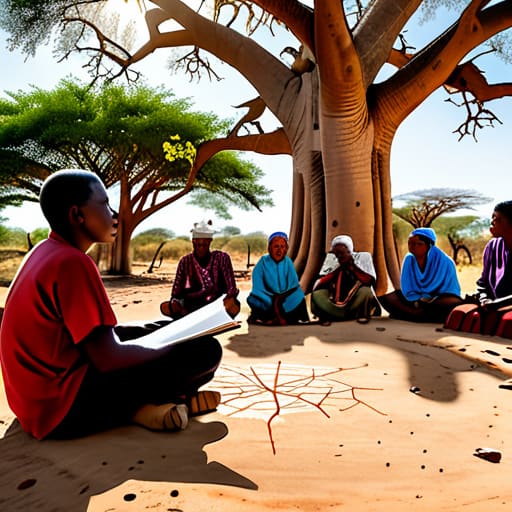
At the end of the day, participation isn’t a checkbox on a donor report or a well-facilitated workshop in a capital city. If we aren’t moving up Arnstein’s ladder, we are just wasting fuel. We’ve seen it too many times: the fancy consultation sessions that leave the local community with nothing but a sense of being talked at, while the actual decision-making power remains locked in a headquarters thousands of miles away. True participation means shifting the weight from the NGO’s agenda to the actual needs on the ground. If the community doesn’t have a hand in deciding where the resources go, then we aren’t doing development; we are just managing a spectacle.
My time in the field taught me that the most successful projects weren’t the ones with the biggest budgets, but the ones where the local logistics were integrated into the community’s own structures. We need to stop measuring success by how many people attended our meetings and start measuring it by how much agency was actually transferred. It’s messy, it’s slow, and it’s often inconvenient for our timelines, but it is the only way the work holds up once we leave. Stop looking for the easiest way to tick the box and start looking for the hardest way to hand over the keys.