I’ve spent enough years sitting in dusty transit hubs in South Sudan to know that most journalists get it wrong. They flock to the capital, chasing the high-level diplomats in their pressed suits and air-conditioned SUVs, thinking they’ve found the story. But if you want to know how to report on peace talks with any actual utility, you have to stop looking at the podiums. I remember sitting in a makeshift warehouse near Goma, watching a convoy of empty trucks idle because a “breakthrough” had been announced in a hotel three hundred kilometers away, yet not a single crate of medicine had moved. The diplomatic theater is often just a way to mask the fact that nothing has actually changed on the ground.
I’m not here to give you a masterclass in political theory or a guide to deciphering UN communiqués. My promise is simpler: I will show you how to look past the signatures and the handshakes to find the actual indicators of progress. We are going to focus on the metrics that matter—the movement of goods, the reopening of supply routes, and the reality of the checkpoints. If you want to understand if a peace deal is real, you don’t listen to the speeches; you watch the trucks.
Table of Contents
Verifying Sensitive Information When the Ink Is Still Wet

When a deal is announced, the room usually fills with people eager to claim credit. I’ve seen it in the field: a sudden surge of “insider” leaks that sound perfect but lack any structural integrity. In logistics, if a manifest says ten tons of antibiotics arrived but the warehouse is empty, the paperwork is a lie. Reporting on peace talks requires that same skepticism. You cannot simply take a spokesperson’s word as gospel because the ink is still wet and the political stakes are high. Verifying sensitive information isn’t about being cynical; it’s about ensuring you aren’t being used as a mouthpiece for a tactical deception.
You have to look for the secondary indicators. If a ceasefire is supposedly signed, don’t just listen to the official broadcast. Watch the movement of people and goods. Are the checkpoints staying open? Are the supply convoys actually moving through the corridors that were supposedly cleared? This is where conflict journalism best practices move from theory to survival. If you report a breakthrough based on a single, unverified source and that source turns out to be a disinformation plant, you haven’t just failed your readers—you’ve potentially destabilized the very ground you’re standing on. Always look for the physical evidence that the agreement is actually functioning.
The Impact of Media on Peace Processes and Ground Reality

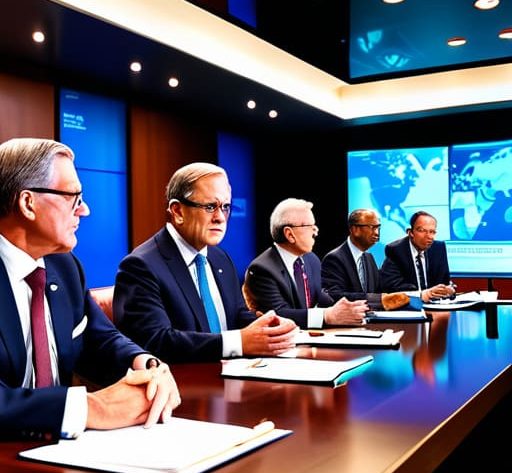
The media has a tendency to treat peace processes like a high-stakes drama, focusing on the optics of handshakes and the tension in the room. But from where I sit, the impact of media on peace processes is often measured by how much noise is made before the actual work begins. When journalists rush to report a “breakthrough” based on a single leaked comment, they create a false sense of momentum. This pressure can force negotiators to perform for the cameras rather than doing the tedious, unglamorous work of securing supply routes or de-escalating local skirmishes.
If the reporting is too optimistic, it creates a vacuum of disappointment when the inevitable delays occur. If it’s too cynical, it can actually derail the fragile trust required to keep people at the table. You have to look past the press releases. The real metric isn’t the headline about a signed accord; it’s whether the logistical corridors remain open because the reporting didn’t inadvertently tip off a faction to block a vital checkpoint. Following conflict journalism best practices means understanding that a premature scoop can sometimes be more damaging than a missed story.
Forget the podiums
I don’t care how many smiles are exchanged in a hotel ballroom in Geneva or how many signatures are captured on camera; if the checkpoints aren’t opening and the supply lines aren’t moving, those peace talks are just expensive noise.
Yusuf Lindqvist
Beyond the Press Release

At the end of the day, reporting on peace talks isn’t about capturing the polished smiles in the hotel ballroom or the lofty rhetoric of the delegates. It is about the friction between those high-level promises and the logistical reality on the ground. You have to look past the official statements to verify if the information is actually true, and you must remain skeptical of how media narratives might inadvertently destabilize a fragile truce. If you aren’t checking whether the supply lines remain open or if the local militias are actually honoring the terms, you aren’t reporting on peace; you are merely reporting on a performance.
My time in the field taught me that peace is rarely a single, grand event marked by a signature. It is a series of small, unglamorous victories that happen in the mud and the dust. Real progress is measured by the movement of goods, the safety of the roads, and the quiet return of normalcy to a village. As a journalist, your job is to find those indicators. Don’t just chase the headline of the signed treaty; chase the truth of whether the system actually works for the people it was meant to serve. That is where the real story lives.