Stop looking at the pundits in London or DC debating the “geopolitical implications” of the upcoming vote. If you want to understand how to cover an election in a difficult context, you need to stop obsessing over the high-level rhetoric and start looking at the supply chain. I spent nine years in East Africa watching people talk about “democratic transitions” while I was actually worrying about whether the diesel for the generators would arrive before the polls opened. The real story isn’t the speech from the capital; it’s whether the ballot boxes actually made it through the checkpoints before dark.
I’m not here to give you a lecture on political theory or a guide to fancy press credentials. I’m going to tell you how the gears actually turn when the infrastructure is broken and the tension is high. I’ll share what I learned from a decade of managing logistics in the field so you can focus on the tangible realities of the ground. We aren’t going to talk about the sentiment; we are going to talk about the logistics of truth.
Table of Contents
The Truth Lies in the Dust Not the Data
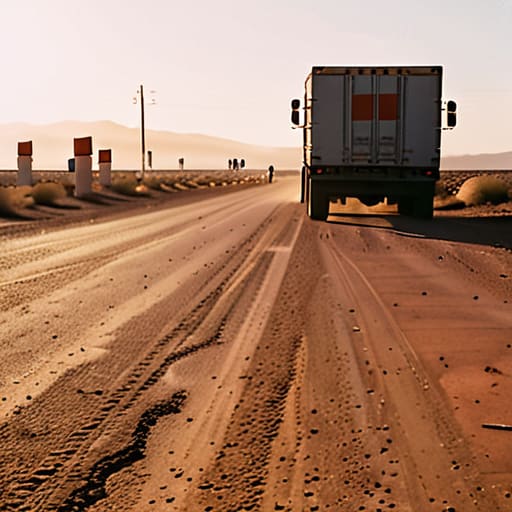
The data coming out of the capital will look clean. You’ll see spreadsheets, official percentages, and polished press releases from the electoral commission that suggest a seamless democratic process. Ignore them. In my experience, the real story isn’t found in a government database; it’s found in the breakdown of the supply chain. If the ballot boxes were supposed to arrive by 08:00 but the convoy was diverted by a local militia, that number on your screen is a lie. You need to be looking at the physical movement of assets. If the trucks aren’t moving, the results don’t matter.
When you are verifying election results under pressure, don’t just call the official spokesperson. Go to the transit points. Check if the fuel arrived at the polling stations or if the vehicles were sidelined by “mechanical issues” that look suspiciously like political interference. This is where you start reporting on electoral fraud—not by quoting a pundit in a studio, but by noting the discrepancy between the promised delivery and the empty warehouse. The truth is rarely a statistic; it is usually a missing crate or a broken axle on a road that should have been open.
Verifying Election Results Under Pressure Without Losing Your Soul

When the official tally comes out of the capital, don’t take it as gospel. I’ve seen too many “official” manifests in the field that didn’t match the crates sitting in the warehouse, and elections are no different. If you are verifying election results under pressure, you need to look at the ground-level discrepancies first. It’s about the math of the people you actually spoke to in the villages, compared to the numbers being shouted over the radio. If a district claims 98% turnout but you saw the local schoolhouse empty because of covering voter intimidation in the surrounding area, you have your story.
You also have to watch your own back while you’re digging. In my years moving medical supplies, if you carried the wrong paperwork through a checkpoint, you didn’t just lose a shipment—you lost your life. The same applies to digital security for election reporters. If you’re holding data that proves something is wrong, that data is a liability. Encrypt everything. If your phone is seized at a checkpoint, the story shouldn’t die with your hardware. Keep your notes physical when you have to, and keep your digital footprint as invisible as possible. The goal isn’t to be a hero; it’s to make sure the truth actually survives the night.
Forget the Exit Polls
Everyone wants to write about the tension in the capital or the rhetoric of the candidates, but if you want to understand if an election is actually functioning, stop looking at the pundits and start looking at the supply chain: if the ink, the ballots, and the polling officials can’t make it past the provincial checkpoints, the results are just ink on paper.
Yusuf Lindqvist
The Final Manifest
At the end of the day, reporting on an election in a volatile zone isn’t about capturing the grand speeches or the high-level political posturing. It is about the granular, often unglamorous reality of the process. You have to look past the official press releases and focus on the logistical integrity of the event. Did the polling stations actually receive their materials? Were the observers allowed past the primary checkpoints? If you can’t verify the movement of the physical components of democracy, you aren’t reporting on an election; you are merely repeating a script. Keep your eyes on the supply chain of the vote, because that is where the truth is either delivered or intercepted.
It is easy to feel cynical when you see the gap between what is promised in a capital city and what actually happens in a remote district. But there is a specific kind of dignity in being the person who refuses to look away from the friction. Don’t aim for the easy headline or the most dramatic soundbite. Instead, aim to be the one who documents whether the system actually functioned under the weight of its own pressures. If you can tell the story of the ballot box that made it through the mud and the checkpoints, you have provided something far more valuable than sentiment: you have provided the truth of the ground.