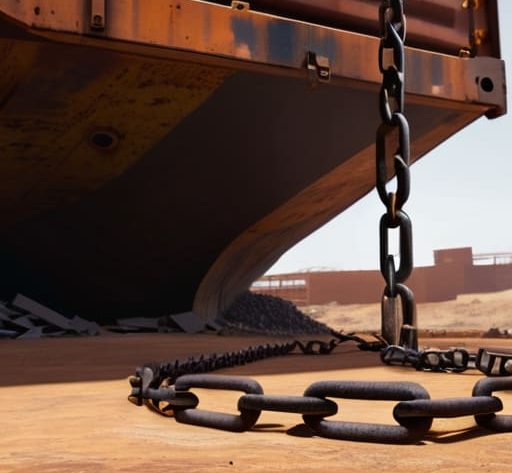
I once spent three days idling a refrigerated truck outside a border crossing in South Sudan, watching ten tons of temperature-sensitive vaccines slowly expire because of a single missing stamp on a customs declaration. Most economists will spend their entire careers debating how trade policy affects development through the lens of macro-level tariff reductions and complex GDP modeling. But they aren’t the ones sitting in the dust, watching a cargo manifest turn into a death warrant. To them, trade is a series of theoretical flows; to me, it is the difference between a clinic having medicine or a clinic having an empty shelf.
I am not here to talk about high-level summits or the lofty rhetoric of international trade agreements. I’m going to show you how the gears actually grind when the paperwork meets the pavement. We are going to look at the friction points—the bureaucratic bottlenecks, the transit costs, and the regulatory hurdles—that determine whether a policy is a success or just a well-intentioned piece of paper. I will give you the view from the driver’s seat, where the only metric that matters is whether the goods actually arrive.
Table of Contents
- The Policy Is a Paperwork Ghost the Lorry Is Reality
- The Impact of Protectionism on Emerging Markets
- Trade Barriers and Developing Nations Walls Built on Sand
- How Trade Policy Affects Development Beyond the Theoretical Map
- Export Led Growth Strategies the Engine That Actually Turns
- Trade Liberalization and Poverty Reduction Feeding the Hungry
- Chasing Economic Growth and International Trade Through the Mud
- Global Value Chains and Industrialization Connecting the Dots
- When the Goods Reach the Market Real Economic Growth
- ## The Metric of Success
- The Final Manifest
The Policy Is a Paperwork Ghost the Lorry Is Reality
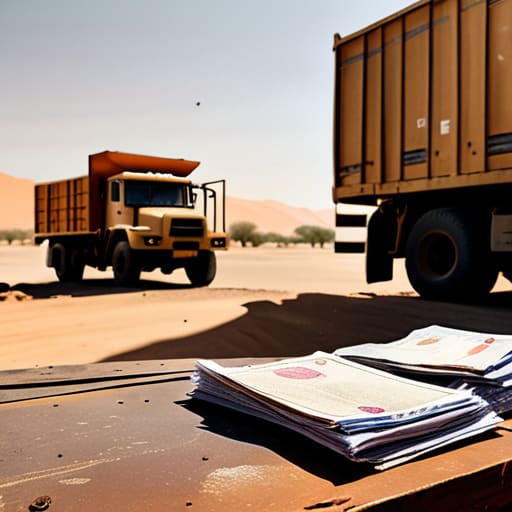
I’ve spent more time staring at dusty customs forms in border crossings than I have reading policy briefs in Geneva. In the halls of the UN or the World Bank, they talk about trade liberalization and poverty reduction as if it’s a mathematical certainty—a simple lever you pull to change a country’s trajectory. But a policy signed in a climate-controlled office in Brussels doesn’t move goods; it only creates a set of rules that a tired official at a checkpoint might or might not follow. To the economist, a tariff is a data point. To me, it is the reason a shipment of temperature-sensitive vaccines sits idling in 40-degree heat because the paperwork doesn’t match the local registry.
The reality is that trade barriers and developing nations are often stuck in a loop of administrative friction that no spreadsheet can capture. You can design the most sophisticated export-led growth strategies on paper, but if the local infrastructure can’t support the weight of the containers, or if the regulatory “ghosts” demand a bribe to clear a single pallet, the strategy is dead on arrival. I don’t care about the theoretical potential for economic growth; I care about the physical movement of freight. If the goods stay in the warehouse, the policy doesn’t exist.
The Impact of Protectionism on Emerging Markets
When a country decides to protect its domestic industries through high tariffs or strict quotas, the view from a boardroom in Geneva is one of economic sovereignty. But when I was sitting in a dusty warehouse in Bujumbura, waiting for a shipment of specialized agricultural tools that had been stalled for three weeks, it looked different. Protectionism isn’t just a theoretical shield for local business; it is a series of unforeseen bottlenecks that choke the life out of local growth. You can talk about “infant industries” all you want, but if a farmer can’t get the imported parts needed to fix his tractor because of a sudden import levy, that industry isn’t growing—it’s stalling.
The math of protectionism rarely accounts for the cost of the delay. Every day a shipment sits at a border because of a new “protective” regulation is a day that capital is tied up in nothing. I’ve seen local manufacturers attempt to scale, only to find their margins eaten alive by the cost of sourcing compliant, non-tariff-restricted inputs. In the end, protectionism often punishes the very people it claims to defend by making the basic tools of production too expensive to actually use.
Trade Barriers and Developing Nations Walls Built on Sand
I’ve seen it happen in the border crossings between Rwanda and the DRC. A shipment of essential medical supplies sits idling in the heat for three weeks because a new tariff regulation was signed in a capital city five hundred miles away. On paper, the trade policy is designed to “protect local industry” or “stabilize the currency,” but on the ground, it’s just a bottleneck. These barriers aren’t always massive walls; often, they are just layers of redundant, expensive bureaucracy that act as a friction tax on every single crate.
When you add up the cost of bribes, the storage fees at the depot, and the spoilage from stalled refrigerated trucks, the math changes. The policy might look sophisticated in a Brussels boardroom, but if it creates a loop of paperwork that prevents a container from moving, it isn’t development. It is simply stagnation by design.
How Trade Policy Affects Development Beyond the Theoretical Map

I’ve spent enough nights in humid warehouses to know that economists love to talk about trade liberalization and poverty reduction as if it’s a mathematical certainty. They sit in air-conditioned offices in Geneva or D.C., looking at heat maps of capital flows, while I’m looking at a customs official who won’t release a shipment of solar components because the paperwork doesn’t match a specific, obscure tariff code. In those moments, the theory of global integration feels like a joke. You can discuss the long-term benefits of open markets all you want, but if the bureaucratic friction at the border stays high, the actual mechanics of progress remain stalled.
When we talk about global value chains and industrialization, we aren’t talking about abstract connections; we are talking about the ability of a local manufacturer to actually source the specialized parts they need without being bled dry by import duties. If a factory in a developing hub can’t get its raw materials through a bottleneck, the entire chain snaps. It doesn’t matter how much “potential” the region has on a spreadsheet. If the policy doesn’t translate into a predictable, functional flow of goods, then the industrialization we keep hearing about is nothing more than a forecast that never arrives.
Export Led Growth Strategies the Engine That Actually Turns
Economists love to talk about export-led growth like it’s a mathematical certainty, a clean line on a graph moving upward. In my experience, it’s much messier. It isn’t about the macro-level statistics of a nation’s trade balance; it’s about the physical capacity to move goods from a factory floor to a shipping container without the whole process collapsing under its own weight. If a country wants to grow by selling to the world, it needs more than just a favorable trade agreement—it needs the actual infrastructure to move the volume.
I’ve seen plenty of “growth strategies” sit in filing cabinets because the local ports were choked or the rail lines were broken. You can have the most competitive labor costs in the region, but if your goods are rotting in a warehouse because the export paperwork is stuck in a loop, that growth is a fantasy. Real development happens when the supply chain becomes a predictable loop, not just a theoretical opportunity.
Trade Liberalization and Poverty Reduction Feeding the Hungry
Economists love to talk about trade liberalization as a tide that lifts all boats. They sit in air-conditioned offices in Geneva or DC, running models that suggest lower tariffs will naturally trigger a cascade of prosperity. But I’ve spent too many nights in transit hubs in Malawi to believe in magic. When a country opens its borders, it isn’t just a line on a graph moving from high to low; it is a sudden, violent shift in what actually shows up on the trucks. If the local farmer can’t compete with subsidized grain flooding in from the West, his farm doesn’t just “transition”—it closes.
The reality is that liberalization without infrastructure is just a recipe for market volatility. You can remove every tariff in the book, but if the regional trade corridors are broken or the customs processing remains a labyrinth of bribes and delays, the “benefits” of open trade will never reach the people living below the poverty line. The theory says the food will flow; the logistics say the food is stuck at a border.
Chasing Economic Growth and International Trade Through the Mud
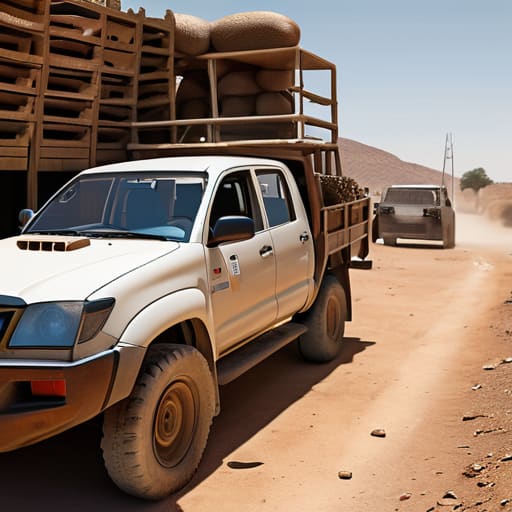
I’ve spent enough time sitting in the back of a dusty Toyota Hilux to know that “growth” doesn’t look like a line on a Bloomberg terminal. When economists talk about economic growth and international trade, they treat it like a mathematical certainty. But on the ground, growth is a physical struggle against friction. You can have the most sophisticated export-led growth strategies drafted in a glass tower in Geneva, but if the customs officials at the border demand a “facilitation fee” that costs more than the cargo’s margin, that strategy is dead in the water.
The real friction isn’t just the tariffs; it’s the breakdown of the links that allow a country to actually participate in global value chains and industrialization. I’ve seen factories sit idle, not because there was no demand for their goods, but because a single missing stamp on a transit permit turned a week-long shipment into a month-long nightmare. People focus on the macro-level promises of trade liberalization and poverty reduction, but they forget that poverty is often maintained by the sheer difficulty of moving things from point A to point B. If the infrastructure and the regulatory environment can’t handle the weight of the goods, the theory remains just that—theory.
Global Value Chains and Industrialization Connecting the Dots
Economists love talking about “Global Value Chains” as if they are seamless, digital circuits. On a whiteboard in Geneva, it looks like a clean flow of components moving from point A to point B. But in my experience, a value chain is only as strong as the most unreliable customs office on the route. You can have the most sophisticated manufacturing plan in the world, but if the specialized microchips are sitting in a humid warehouse at a border crossing because of a sudden change in tariff classification, the entire chain snaps. Integration is a physical feat, not a theoretical one.
Industrialization requires more than just a seat at the table; it requires the ability to actually move the finished goods out of the factory gates. When trade policies favor raw material exports but penalize processed goods, they effectively trap a country in the low-value basement of the global economy. It isn’t enough to be “connected” to the network if the cost of moving up the ladder is a mountain of predatory duties and broken infrastructure.
When the Goods Reach the Market Real Economic Growth
Economists love to talk about “market penetration” and “consumer surplus,” but those are just ways to dress up a simple reality: people need stuff they can actually buy. In my time in South Sudan, I saw plenty of theoretical trade benefits on paper, but they meant nothing if the local market was flooded with low-quality imports that undercut the few local producers trying to get a foothold. Real growth isn’t a line on a graph; it’s when a local farmer can finally sell his surplus because the trade barriers at the border didn’t eat his entire margin in “administrative fees.”
When the trade policy actually works, you see it in the stability of the local stalls. It’s not about a sudden spike in GDP; it’s about the predictability of supply. When a merchant knows the goods will arrive without a week of bribes or a month of customs delays, they can invest. They hire a second person. They expand the shop. That is the only metric of growth that matters to the people living it.
## The Metric of Success
“You can debate liberalization curves and tariff schedules in a conference room in Geneva all day, but none of that matters if a single customs regulation at a border crossing turns a shipment of essential machinery into a pile of rusting scrap. Development isn’t a line on a graph; it’s the physical movement of goods from point A to point B without them being bled dry by bureaucracy along the way.”
Yusuf Lindqvist
The Final Manifest
We have looked at the spreadsheets, the liberalization theories, and the complex webs of global value chains, but none of those abstractions change the fundamental truth of the work. Trade policy isn’t a debate held in a climate-controlled room in Geneva; it is the difference between a warehouse sitting empty and a clinic receiving its shipment of antibiotics. When protectionism creates a bottleneck or a trade agreement fails to account for the actual infrastructure on the ground, the theory of growth collapses under the weight of a stalled truck. You can write all the development goals you want, but if the policy doesn’t facilitate the physical movement of goods, it is nothing more than expensive ink on a page.
If there is a lesson to be taken from the years I spent tracking cargo through the dust of East Africa, it is this: focus on the movement. We need to stop obsessing over the high-level economic models and start focusing on the friction points where trade meets the real world. The goal of any policy should not be to create a more beautiful map, but to ensure the logistical reality matches the ambition. When we bridge that gap, when the policy actually serves the transit, that is when development stops being a concept and starts being a tangible reality for the people waiting at the end of the road.