
I once sat in a humid warehouse outside Goma, staring at a stack of colorful brochures sent from a donor headquarters in Geneva. They were filled with sweeping, poetic narratives about “resilience” and “the human spirit,” but none of them mentioned that the bridge three kilometers down the road had washed out, making the entire shipment of antibiotics unreachable. People talk about diversity and perspective as if they are abstract academic concepts, but in my experience, learning how to avoid the single story isn’t about reading more literature; it’s about looking at the actual data on the ground. If you only listen to the emotional appeal, you miss the reality of the broken supply chain.
I’m not here to give you a lecture on cultural sensitivity or some high-concept seminar on empathy. Instead, I am going to show you how to look past the polished narrative to find the actual mechanics of a situation. I’ll provide a framework based on years of tracking cargo and managing real-world friction, focusing on the granular details that most people ignore. We are going to move past the sentiment and focus on the logistical truth.
Table of Contents
Deconstructing Media Biases Before the Shipment Fails

When I was coordinating movements through the Kasai province, I saw how a single news clip could derail a month of planning. If the media portrays a region solely through the lens of famine or conflict, the donor response is a frantic, uncoordinated surge of sentiment that ignores the actual infrastructure needed. We call this deconstructing media biases in the office, but in the field, it’s a matter of survival. If the narrative only focuses on the tragedy, the specialized equipment—the cold chain for vaccines or the heavy-duty axles for muddy roads—gets overlooked in favor of generic, useless “aid” that doesn’t fit the terrain.
You have to look past the surface-level pity. People often reference the Chimamanda Ngozi Adichie TED talk when discussing how narrow narratives flatten complex realities, and while she’s right about the cultural implications, the logistics are just as skewed. When we rely on a single, monolithic image of a “crisis zone,” we fail to account for the local markets, the existing trade routes, and the people already doing the work. If you don’t challenge those perspectives early, you aren’t just misrepresenting a culture; you are misallocating the resources that were supposed to keep people alive.
Why the Chimamanda Ngozi Adichie Ted Talk Matters
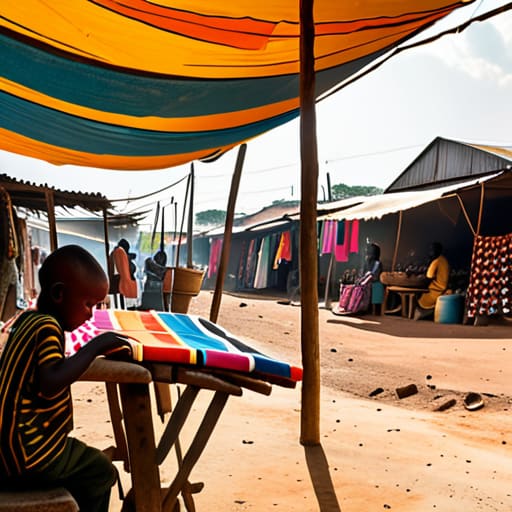
I remember sitting in a dusty transit hub in Goma, listening to a crackling shortwave broadcast, when I first realized that the way we talk about “crisis” is almost always a lie of omission. It’s not just about what is said, but what is left out of the manifest. This is why the Chimamanda Ngozi Adichie TED talk carries so much weight for those of us who actually work on the ground. She isn’t just talking about literature; she’s talking about the danger of a flattened reality. When a news agency sends a clip of a starving child, they are providing a single, convenient data point. They aren’t showing the complex trade routes, the local entrepreneurship, or the political friction that actually dictates whether that child eats.
If we don’t practice challenging monolithic perspectives, we end up designing aid programs for ghosts rather than people. Adichie’s point is that a single story creates a one-dimensional view that makes it easy to ignore the nuance of a situation. In my line of work, nuance is the difference between a successful delivery and a wasted shipment. If you only see a region through the lens of catastrophe, you miss the logistical infrastructure and the human agency that actually keeps a society functioning. You cannot solve a problem you have fundamentally misread.
## The Gap Between the Appeal and the Arrival
“Don’t mistake a fundraising brochure for a situation report; a single story tells you how much money was raised, but it never tells you if the cold chain held or if the driver actually cleared the checkpoint.”
Yusuf Lindqvist
The Final Manifest
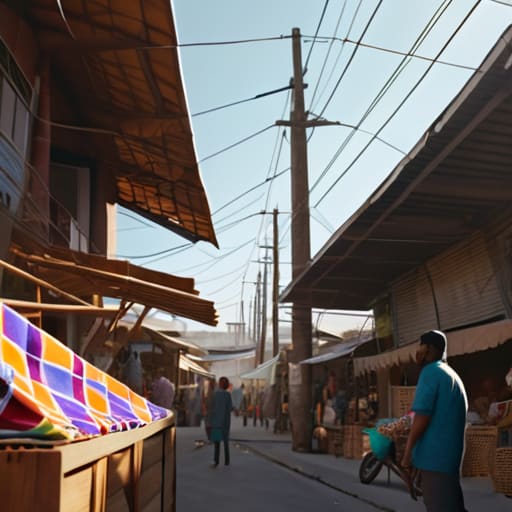
We have to stop treating people like statistics in a fundraising brochure. Avoiding the single story isn’t about being polite or “culturally sensitive”; it is about the integrity of the data. If your narrative only captures the crisis and ignores the local mechanics, the infrastructure, and the agency of the people living through it, you aren’t telling a story—you are running a deficit. You have to look past the polished media bias and see the actual movement of goods, people, and ideas. A single narrative is a broken supply chain; it fails to deliver the full weight of reality to the person reading it.
At the end of the day, my job was never about the sentiment expressed in the mission statement. It was about the physical reality of the cargo. If you want to truly understand a place, stop looking for the tragedy and start looking for the complexity. Don’t settle for the easy, sweeping generalization that fits neatly into a headline. Seek out the granular details, the messy logistics, and the quiet resilience that exists when the cameras turn off. Only when you account for every variable in the manifest do you actually begin to see the whole truth.