
I remember standing in the dust outside Goma in ’08, watching a group of shiny-shoed consultants debate the optimal square footage for a communal latrine block. They were waving glossy brochures around, arguing over theoretical hygiene metrics and international frameworks, while my driver was sweating through his shirt because the fuel tanker was stuck fifty kilometers back in a mudslide. That’s the gap no one talks about: the distance between the theoretical way how camp standards are set in a Geneva boardroom and the actual reality of a site where the rain turns everything to soup. Most people think these standards are written in stone by experts, but in my experience, they are usually just aspirations written on paper that never survives the first monsoon.
I’m not here to sell you on the polished manuals or the high-level policy jargon. I’m going to tell you how things actually work when the paperwork meets the dirt. I’ll show you the difference between a standard that looks good in a report and a standard that actually functions when the supply chain breaks down. This isn’t about theory; it’s about the unfiltered logistics of keeping people alive when the plan falls apart.
Table of Contents
- The Logistics of Survival How Camp Standards Are Set
- Beyond the Canvas Governing Bodies for Camp Accreditation
- The Blueprint of Order Regulatory Compliance for Camps
- The Arrival of the Lorry Ensuring Safety and Sanitation
- Rigorous Safety Protocols in Outdoor Recreation
- Standardizing Camp Hygiene and Sanitation for Results
- Leaving No Trace When the Mission Meets the Earth
- ## The Gap Between Paper and Pavement
- The Reality on the Ground
The Logistics of Survival How Camp Standards Are Set
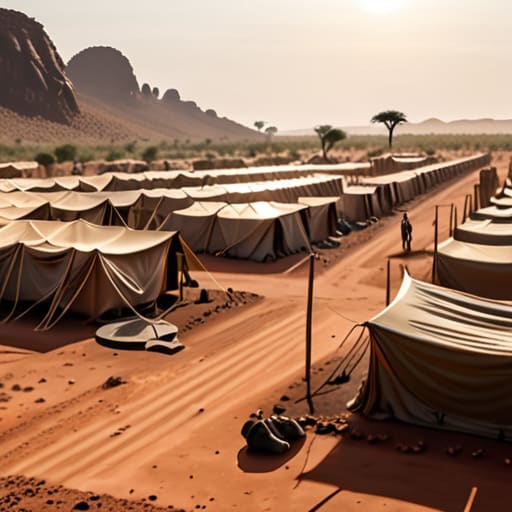
Standards aren’t born in a boardroom in Geneva; they are born from the wreckage of what happens when things go wrong. When I was moving supplies through South Sudan, a “standard” wasn’t a theoretical guideline in a manual. It was the difference between a cholera outbreak and a controlled site. People talk about standardizing camp hygiene and sanitation as if it’s a matter of choosing the right soap, but it’s actually a brutal calculation of distance, slope, and soil permeability. If the latrines are too close to the borehole, the math fails, and the camp becomes a death trap.
The paperwork side of this is a nightmare of bureaucracy. You have various governing bodies for camp accreditation throwing different requirements at you, but their checklists often ignore the reality of a mud season that turns a designated path into a river. I’ve seen teams spend weeks perfecting their regulatory compliance for camps just to have a single washed-out bridge render the entire technical setup useless. In the field, a standard is only as good as the supply chain supporting it. If the heavy-duty plastic sheeting doesn’t arrive because the manifest was botched, your “gold standard” shelter is just a pile of expensive, useless fabric.
Beyond the Canvas Governing Bodies for Camp Accreditation
You’ll see plenty of acronyms floating around the headquarters in Geneva or Nairobi—UNHCR, IASC, the Sphere Standards. On paper, these are the architects of order. They sit in air-conditioned rooms drafting manuals that dictate exactly how many liters of water a person needs per day or the precise diameter of a latrine pit. But from where I sat, watching trucks idle at a border crossing for three days, these governing bodies feel less like architects and more like distant observers. They set the benchmarks, sure, but a benchmark doesn’t clear a customs bottleneck or fix a broken axle in a mud pit.
The accreditation process is often just a high-level exercise in checking boxes to satisfy donors. An agency might meet every technical metric for camp setup, yet still fail the only test that matters: the ability to maintain those standards once the initial funding cycle ends. We focus so much on the compliance of the paperwork that we forget the reality of the terrain. Accreditation tells you how a camp should look in a glossy annual report, not how it survives a rainy season.
The Blueprint of Order Regulatory Compliance for Camps
Compliance isn’t a suggestion; it’s a checklist of technical requirements that determine whether a site is legally viable or just a collection of tents. When I was coordinating movements in South Sudan, I saw how easily “standards” get diluted by the chaos of a sudden influx of people. The regulatory frameworks—mostly driven by the UNHCR and the Sphere Handbook—dictate everything from the exact liters of water per person to the specific slope required for latrine drainage. If you don’t hit those metrics, you aren’t running a camp; you’re just managing a growing disaster.
The problem is that compliance often feels like a paper exercise until the moment an auditor arrives. You can have all the right paperwork in your folder, but if the gravel isn’t graded for heavy vehicle access or the perimeter isn’t marked according to the site plan, the whole operation is non-compliant. I’ve seen teams spend more energy on meeting the metric than on the actual functionality of the site. In reality, a regulation is only as good as the physical infrastructure it mandates.
The Arrival of the Lorry Ensuring Safety and Sanitation
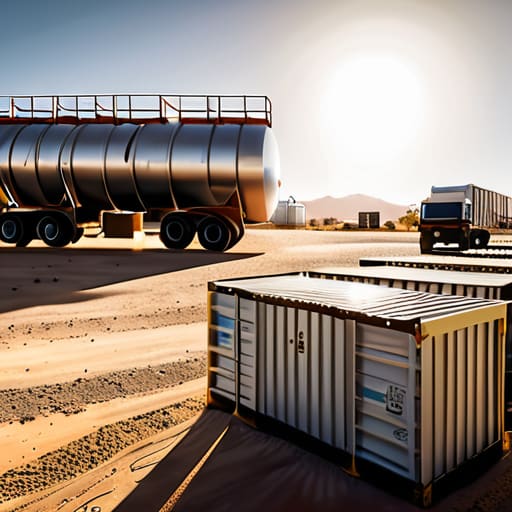
You can talk about accreditation and blueprints all day, but none of that matters if the water is making people sick. I’ve seen camps that look perfect on a spreadsheet but are death traps in reality because someone cut corners on the supply chain. When we talk about standardizing camp hygiene and sanitation, we aren’t talking about a checklist for a folder; we are talking about the difference between a functioning settlement and a cholera outbreak. It starts with the arrival of the heavy goods. If the chlorine tablets are stuck in a warehouse in Mombasa or the fuel for the water pumps is contaminated, the most sophisticated regulatory framework in the world won’t save you.
Safety isn’t a concept; it’s a physical reality measured in liters and grams. For me, the real test of a camp’s integrity is the frequency of water quality testing in wilderness camps and the actual reliability of the waste management chain. You can have all the right papers from the governing bodies, but if the latrine pits aren’t being emptied according to the schedule, or if the runoff is leaching into the local groundwater, you’ve failed. The standard isn’t met when the document is signed; it’s met when the clean water actually flows from the tap.
Rigorous Safety Protocols in Outdoor Recreation
When people talk about “outdoor recreation” in a camp setting, they usually picture leisure or mental health breaks. In my experience, that’s a luxury we can’t afford to mismanage. If you are setting up a designated area for movement or recreation, you aren’t just laying out some mats; you are managing terrain, drainage, and structural stability. I’ve seen “recreational” zones turn into massive liability sinks because someone forgot that a patch of ground becomes a mud pit after a single rain cycle. You don’t just clear a space; you verify the load-bearing capacity of the soil and the stability of any temporary structures.
Safety protocols here aren’t about comfort; they are about preventing a secondary crisis. If a person trips on uneven ground or a temporary shelter collapses during a wind gust, you’ve just added a medical emergency to an already strained supply chain. We don’t follow these rules to be pedantic; we follow them because preventing an injury is easier than transporting a casualty through a muddy transit corridor.
Standardizing Camp Hygiene and Sanitation for Results
You can print a thousand glossy brochures about “dignified sanitation,” but dignity doesn’t prevent cholera; a functional latrine line does. In my experience, the gap between a high-level humanitarian standard and a functioning camp is measured in liters of water and the structural integrity of a soak pit. When we talk about standardizing hygiene, we aren’t talking about abstract cleanliness. We are talking about the precise calculation of pit depth, the distance between a water point and a waste site, and the reliability of the supply chain for chlorine tablets.
If the soap doesn’t arrive or the handwashing stations are just empty plastic basins, the standard is a lie. I’ve seen plenty of well-intentioned “hygiene promotion” sessions fail because the actual hardware—the buckets, the pipes, the heavy-duty liners—was stuck in a customs warehouse three borders away. To get results, the metrics have to be physical. It isn’t about how many people attended a workshop; it’s about whether the sanitation infrastructure is actually operational.
Leaving No Trace When the Mission Meets the Earth

In the field, “leaving no trace” isn’t a poetic sentiment about nature; it’s a matter of preventing a site from becoming a permanent scar on the landscape. When you’re managing a high-volume site, the temptation is to just dig a hole and move on. But if you don’t integrate a proper environmental impact assessment for campsites into your initial setup, you aren’t just camping—you’re colonizing. I’ve seen sites in South Sudan where the ground was so compacted and stripped of vegetation by poor site management that nothing grew back for three seasons. That isn’t a failure of spirit; it’s a failure of logistics.
The reality is that most people think environmental stewardship is an afterthought, something you do once the tents are up. It’s actually part of the core regulatory compliance for camps that keeps a mission from being shut down by local authorities or losing its accreditation. You have to plan for the exit before the first truck even arrives. This means calculating waste volumes and planning drainage routes that won’t turn a dry patch into a swamp within forty-eight hours. If you don’t manage the footprint from day one, you aren’t providing aid; you’re just creating a new set of problems for the next team to clean up.
Environmental Impact Assessment for Campsites
On paper, an Environmental Impact Assessment (EIA) looks like a thick binder of ecological surveys and mitigation strategies. In the field, it’s a calculation of how much weight the ground can take before it turns into a swamp of human waste and compacted dirt. You can have all the best intentions regarding biodiversity, but if your site selection doesn’t account for the local water table or the seasonal shift in soil density, you aren’t protecting the environment; you’re just creating a long-term liability.
I’ve seen teams follow the checklist to the letter, only to realize they’ve positioned a heavy-duty latrine cluster too close to a seasonal runoff path. The paperwork said the site was compliant, but the geography said otherwise. An EIA isn’t a box to tick for the donors; it is a practical tool to ensure that when we pack up and leave, we aren’t leaving behind a scarred landscape that prevents the next mission from operating.
Water Quality Testing in Wilderness Camps
In my experience, a clean-looking stream is a lie. You can have the most expensive filtration system in the kit, but if the source is contaminated by upstream runoff or livestock, you’re just moving sludge through a very expensive filter. We don’t rely on how clear the water looks; we rely on the titration kits and the digital meters. Testing isn’t a suggestion; it is the only way to know if the camp is a sanctuary or a breeding ground for cholera.
I’ve seen teams skip the heavy lifting of chemical testing because they were behind schedule on the site setup. That is how mistakes happen. You run the tests for pH, turbidity, and coliform bacteria, and you record them in the logbook just like you would a fuel manifest. If the numbers don’t match the safety threshold, the water stays in the ground. The data is the only thing that matters when the health of a thousand people is sitting in a plastic jerrycan.
## The Gap Between Paper and Pavement
“You can spend months in a boardroom in Geneva drafting the perfect accreditation manual, but those standards don’t mean a damn thing if the supply chain breaks down three hundred kilometers from the nearest paved road. A standard isn’t a set of guidelines on a shelf; it is the measurable reality of whether the water purification tablets actually made it into the hands of the people who need them.”
Yusuf Lindqvist
The Reality on the Ground
At the end of the day, camp standards aren’t just lines in a thick manual from a Geneva-based NGO or a set of lofty environmental goals. They are the hard, practical realities of sanitation, safety, and supply chains. We have looked at the regulatory frameworks, the hygiene protocols, and the environmental assessments required to keep a site functional. But none of those accreditation papers matter if the water testing fails or if the waste management system collapses under its own weight. Standards exist to prevent chaos, but they only work when the logistics of survival are treated with more respect than the paperwork used to describe them.
I have spent too many nights listening to the static on my shortwave radio, thinking about the gap between what is promised in a donor report and what actually happens in the mud. We often get lost in the sentiment of “doing good,” but the true measure of our success isn’t found in a polished presentation or a high-level compliance certificate. It is found in the quiet, unglamorous fact that the systems held, the resources arrived, and the camp remained a place of order rather than a site of crisis. If the wheels keep rolling and the standards are met, the mission survives. That is the only metric that truly counts.