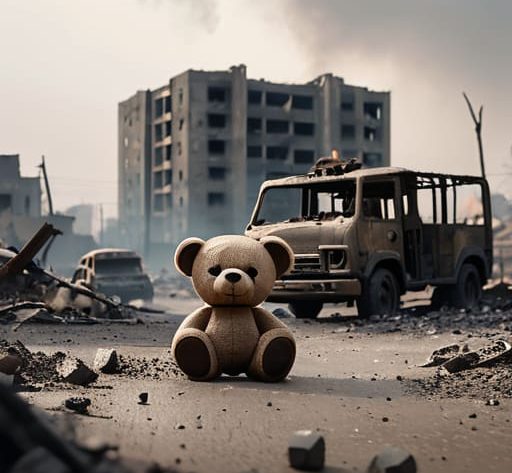
I remember sitting in a dusty office in Goma, staring at a stack of requisition forms while the radio hummed with news of a nearby massacre. The pundits on the BBC were debating the legal nuances of the Geneva Convention, trying to pin down exactly what a war crime is through a lens of high-level jurisprudence. But in that moment, the legal definitions felt hollow. To me, a war crime wasn’t just a violation of a treaty; it was the deliberate blockage of the very supply routes I was trying to keep open. It was the moment the fuel trucks were hijacked and the medical kits were seized, turning a logistics problem into a death sentence for the people waiting on the other side of the ridge.
I’m not here to lecture you on international law or recite statutes that only exist in textbooks. I want to strip away the academic fluff and talk about the functional reality of these violations. I will show you how the breakdown of rules manifests on the ground—not as a legal debate, but as the specific, violent actions that ensure the aid never reaches the destination.
Table of Contents
The Geneva Conventions Explained When the Delivery Fails
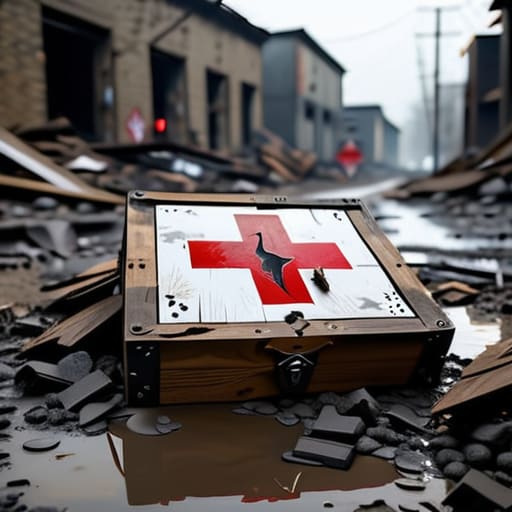
The Geneva Conventions explained in a classroom setting usually focus on the legal mechanics of distinction and proportionality. But in the field, those conventions aren’t just ink on parchment; they are the difference between a functioning supply chain and a graveyard. When we talk about violations of international humanitarian law, the lawyers look at treaty articles. I look at the broken seal on a crate of antibiotics or a warehouse that was targeted despite being clearly marked with a red cross. To me, a convention is breached the moment a civilian corridor becomes a kill zone, rendering the entire logistical framework of survival impossible.
The nuance often gets lost in the political noise, particularly the distinction between war crimes and crimes against humanity. A war crime is often a specific, localized failure—a commander ordering the shelling of a hospital or a checkpoint execution. It is a breakdown of the rules governing a specific conflict. While the International Criminal Court jurisdiction provides the theoretical framework to punish these acts after the dust settles, the reality on the ground is much more immediate. For those of us waiting for the trucks to roll, the law isn’t a courtroom debate; it is the thin, fragile line that dictates whether a shipment of grain reaches a starving village or ends up as fuel for the very engines of war.
Violations of International Humanitarian Law in the Mud
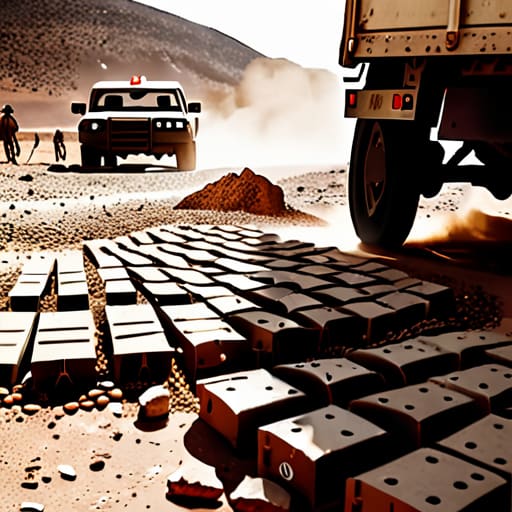
In my experience, the theoretical framework of the Geneva Conventions tends to evaporate the moment a convoy hits a contested checkpoint. Lawyers love to debate the distinction between war crimes and crimes against humanity, but when you are sitting in a cab watching a militia leader seize a shipment of antibiotic-grade saline, those nuances don’t matter. To the person on the ground, a violation isn’t a legal debate; it is the physical obstruction of life-saving cargo. We see violations of international humanitarian law not as abstract breaches of protocol, but as the sudden, violent disappearance of the supply chain.
When a hospital becomes a target or a food depot is systematically looted, the paperwork of international law feels incredibly thin. I have seen the gap between what is written in a Hague briefing and what actually happens in the mud of a displacement camp. While the world waits for the International Criminal Court jurisdiction to kick in and assign blame, the reality is that the trucks stay parked and the medicine stays in the warehouse. In the field, justice isn’t a courtroom verdict—it is the ability to move goods through a conflict zone without them being used as leverage or left to rot in a ditch.
The Real Definition
Lawyers will spend decades debating the nuances of intent and jurisdiction, but in the field, a war crime is much simpler: it is the moment a calculated decision is made to ensure the supplies don’t reach the people who need them, turning a logistical failure into a death sentence.
Yusuf Lindqvist
The Logistics of Accountability
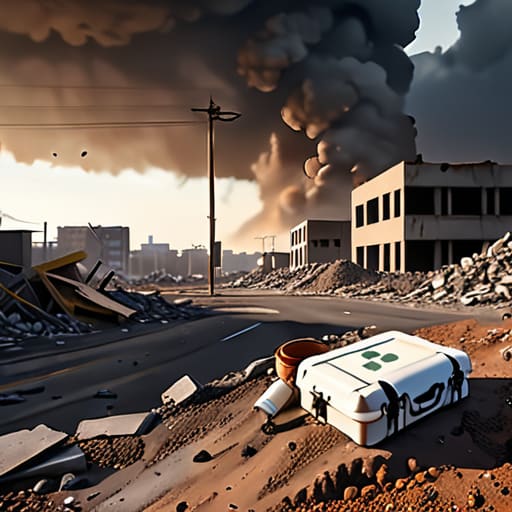
At the end of the day, defining a war crime isn’t about debating the fine print of a treaty in a comfortable office in Geneva. It’s about the reality on the ground: the distinction between a combatant and a civilian, the protection of hospitals, and the fundamental requirement that aid reaches its destination. We have looked at how the Geneva Conventions set the rules, and how those rules dissolve when the supply lines are intentionally severed or when civilian infrastructure is treated as a target. When we talk about violations of International Humanitarian Law, we aren’t talking about abstract legal theories; we are talking about the systematic breakdown of the basic protections that keep humanity intact when everything else has fallen apart.
My time in the field taught me that while you can’t stop a conflict once the first shot is fired, you can demand a standard for how it is conducted. Accountability isn’t just for the high-level tribunals; it starts with the refusal to accept the “inevitability” of chaos. We must insist that the rules remain even in the mud, because without them, there is no difference between a war and a massacre. The goal isn’t just to document the failure, but to ensure the cargo reaches the people who need it most. If we can protect the delivery, we can protect the possibility of a future once the guns finally go silent.