
I spent nine years in the back of Land Cruisers and standing in dusty warehouses across East Africa, and if there is one thing I’ve learned, it’s that the glossy brochures are lying to you. Most people think the process is about grand speeches and sweeping emotional narratives, but that’s just theater. When you look at how a humanitarian appeal is made, the real work isn’t happening in a boardroom in Geneva; it’s happening in the granular, unglamorous math of supply chain viability. If an appeal promises ten thousand kits but fails to account for the seasonal washouts on the road to South Sudan, that appeal is nothing more than a piece of expensive fiction.
I’m not here to give you a lecture on international diplomacy or the nuances of donor sentiment. Instead, I’m going to pull back the curtain on the actual mechanics of the process. I will show you how the numbers move from a crisis report to a functional procurement plan, stripping away the fluff to focus on the only metric that matters: the physical movement of goods. We are going to talk about the hard reality of how these requests are built, so you can tell the difference between a well-meaning sentiment and a logistically sound operation.
Table of Contents
Beyond the Headlines the Humanitarian Needs Assessment Process

When the news breaks, the world sees a crisis in high definition. But behind the footage, the actual humanitarian needs assessment process is far less cinematic and much more tedious. It isn’t about emotional storytelling; it’s about data points. I spent years waiting on field reports to confirm if we were looking at a localized cholera outbreak or a systemic collapse of the regional food supply. You don’t build an appeal on a hunch. You build it on calorie counts, liters of potable water per person, and the exact number of trauma kits required for the projected casualty rate.
Once those numbers are crunched, they feed into the broader UN Flash Appeal structure, which attempts to turn chaos into a predictable budget. This is where the friction begins. There is often a massive disconnect between the technical requirements identified on the ground and the actual resource mobilization for crises happening in a boardroom halfway across the world. You can have the most precise assessment in the world, but if the funding gap analysis in disaster relief shows a massive deficit, your meticulously planned supply chain is nothing more than a collection of empty spreadsheets.
The Brutal Math of the Un Flash Appeal Structure

When you look at a UN Flash Appeal, don’t see a plea for help; see a spreadsheet attempting to bridge a massive deficit. The UN Flash Appeal structure is essentially a high-stakes exercise in forecasting chaos. They take the data from the needs assessment and try to translate human suffering into line items: liters of water, metric tons of grain, and units of therapeutic milk. It is a cold, mathematical attempt to predict exactly how much cash is required to keep people alive for the next six months.
The problem is the funding gap analysis in disaster relief is rarely a straight line. You have these massive, multi-million dollar targets set by the agencies, but the actual resource mobilization for crises is notoriously lumpy. Donors don’t give in a steady stream; they give in bursts, often favoring high-profile disasters while ignoring “silent” emergencies. This creates a nightmare for someone in my position. I can have the perfect procurement plan for a warehouse in South Sudan, but if the money arrives in three different currencies across four different months, the logistical chain breaks before the first pallet is even loaded. We aren’t just managing supplies; we are managing the volatility of a budget that refuses to stay fixed.
The Gap Between the Paper and the Pavement
“An appeal is just a collection of hopeful numbers on a spreadsheet until you account for the fuel, the broken axles, and the bribe at the checkpoint. You can raise a billion dollars, but if the supply chain breaks at the last mile, that billion is just ink on a page.”
Yusuf Lindqvist
The Metric That Matters
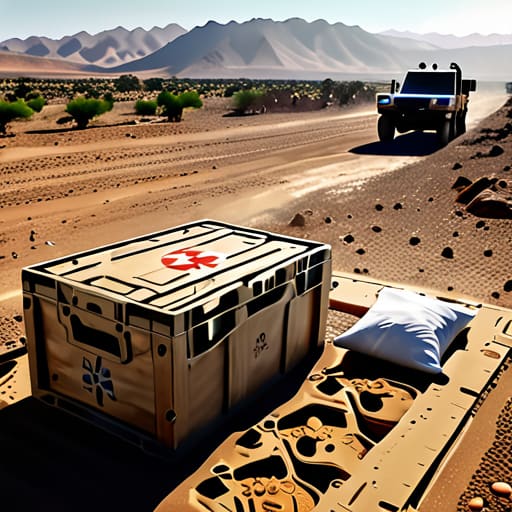
At the end of the day, an appeal is just a collection of spreadsheets, needs assessments, and high-level UN negotiations. We spend months refining the math and justifying the millions, but none of that data matters if the supply chain breaks down at the final mile. You can have a perfectly funded flash appeal on paper, but if the procurement cycle is too slow or the customs clearance stalls at the border, the funding is effectively useless. The transition from a donor’s bank transfer to a crate of IV fluids sitting in a warehouse in Goma is a gauntlet of logistical friction that no amount of sentiment can overcome. We have to remember that logistics is the bridge between intention and impact.
I know it is easier to track success by the number of zeros on a fundraising total, but I prefer a different yardstick. When I look back at my years in the field, I don’t think about the scale of the appeals we launched; I think about the sound of a diesel engine pulling into a camp after a three-day trek through the mud. If the supplies are there, the system worked. If they aren’t, the appeal failed, regardless of how much was raised. Let’s stop celebrating the size of the pot and start focusing on the reliability of the delivery. That is where the real work happens.