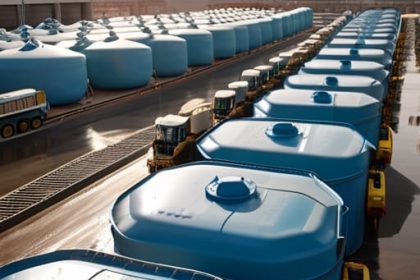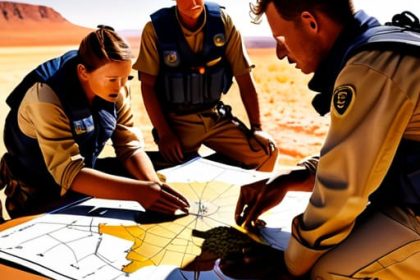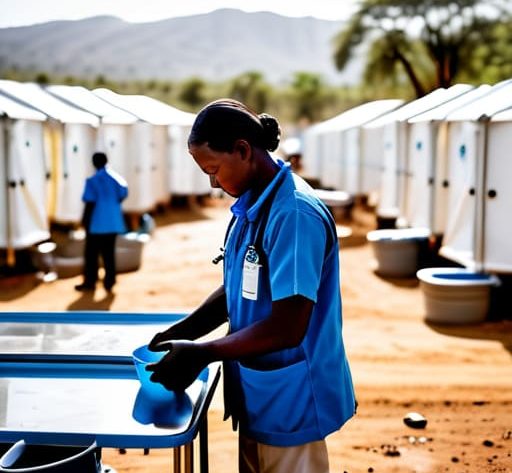
I remember sitting in a humid office in Goma, staring at a glossy, multi-page report about “integrated community health interventions.” It was filled with beautiful charts and high-level strategy about how cholera outbreaks are controlled, but none of it mattered because the actual shipment of rehydration salts was stuck at a border crossing three hundred kilometers away. You can have the most sophisticated epidemiological model in the world, but if the supply chain breaks, that model is just expensive paper. To me, the science of prevention is secondary to the brutal reality of movement and maintenance.
I am not here to give you a lecture on microbiology or the nuances of global health policy. Instead, I am going to tell you how things actually work when the mud is waist-deep and the radio signal is failing. I will show you the logistical backbone required to move supplies, manage water points, and ensure that when a crisis hits, the tools are actually in the hands of the people who need them. This isn’t about the theory of how cholera outbreaks are controlled; it is about the physical delivery of the solution.
Table of Contents
Epidemiological Surveillance Methods That Actually Save Lives
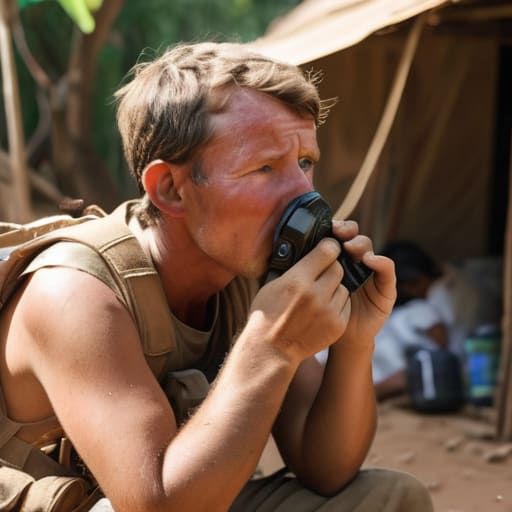
Epidemiological surveillance methods are often discussed in headquarters as high-level data modeling, but on the ground, surveillance is just a fancy word for knowing who is sick before the clinic gets overwhelmed. It isn’t about beautiful heat maps; it’s about the field medic noticing three kids in one compound with the same symptoms and calling it in via radio. If that communication loop breaks, the data is useless. We don’t need more spreadsheets; we need a functional chain of reporting that links a remote village to the regional supply hub.
When we talk about preventing waterborne disease transmission, the real work happens in the gap between a reported case and a dispatched shipment. You can have the most sophisticated surveillance system in the world, but if it doesn’t trigger an immediate response in contaminated water source management, you’re just documenting a disaster in real-time. I’ve seen teams spend weeks analyzing trends while the actual source of the infection—a single broken pipe or a shared well—remains untouched. Effective surveillance only works if it acts as a trigger for logistics. If the data doesn’t result in a truck moving toward a specific coordinates, it’s just noise.
Contaminated Water Source Management Before the Crisis Hits
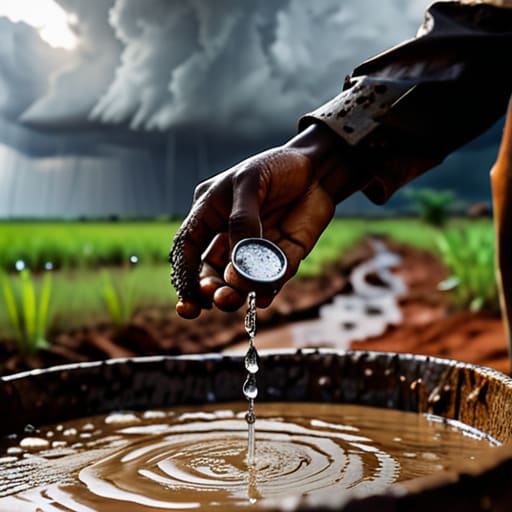
You can talk about sanitation and hygiene protocols until you’re blue in the face, but if the local well is already a breeding ground for Vibrio cholerae, the best handwashing station in the world won’t stop the surge. In my experience, effective contaminated water source management isn’t about high-level policy meetings in Geneva; it’s about the physical reality of securing a borehole or ensuring the chlorine tablets actually reach the households before the rainy season turns the soil into a soup of pathogens.
If you wait for the first case to show up in a clinic, you’ve already lost the tactical advantage. Real prevention means preemptively treating the points of failure. I’ve seen too many well-intentioned projects focus on education while ignoring the fact that the community’s only reliable water source is a contaminated stream. You have to secure the supply chain for water treatment chemicals long before the outbreak begins. It’s a matter of logistical foresight—getting the heavy-duty pumps and the bulk stabilizers into the district hubs while the weather is still dry. If the supplies are sitting in a warehouse three provinces away when the first person falls ill, the math simply doesn’t work.
## The Logistics of Survival
You can have the most sophisticated epidemiological model in Geneva, but if the chlorine tablets are sitting in a warehouse in a port city because the paperwork is wrong or the road is washed out, those models are just expensive fiction. Control isn’t found in a spreadsheet; it’s found in the weight of the supplies actually landing on the ground.
Yusuf Lindqvist
The Bottom Line
At the end of the day, controlling a cholera outbreak isn’t about the high-level briefings in Geneva or the glossy brochures detailing surveillance models. It comes down to the practicalities we’ve discussed: the ability to track an infection spike in real-time and the foresight to secure water sources before the first patient even walks into a clinic. You can have the most sophisticated epidemiological data in the world, but if the supply chain for oral rehydration salts breaks down or the chlorine tablets are stuck in a warehouse three provinces away, that data is just a record of failure. We manage the crisis by managing the logistics of survival.
People like to talk about the “humanitarian spirit” when they see a crisis on the news, but I’ve never seen a spirit move a ton of medical supplies across a washed-out road during a monsoon. What moves the needle is the grit of the people ensuring the infrastructure holds. If we want to stop the next outbreak, we need to stop obsessing over the sentiment and start focusing on the integrity of the delivery. The success of any intervention isn’t measured by the size of the donation, but by the simple, hard reality of whether the supplies arrived when the water turned bad.