I’ve spent enough time in dusty Land Cruisers to know that most high-level briefings on how aid workers are protected are nothing more than expensive fiction. They talk about “risk mitigation frameworks” and “complex security matrices” in air-conditioned offices in Geneva, but those words don’t mean a damn thing when you’re sitting at a dusty checkpoint in South Sudan with a driver who’s more nervous than you are. Real security isn’t found in a glossy PDF; it’s found in the reliability of your radio contact and whether your local fixer actually knows which way the wind is blowing before you cross the border.
I’m not here to sell you on institutional theory or the latest management buzzwords. I’m going to tell you how it actually works when the budget lines fail and the political situation turns sour. I will lay out the practical, unvarnished reality of field security—the stuff they don’t teach in your MA program—focused entirely on the only metric that matters: getting the team and the cargo home in one piece.
Table of Contents
Beyond the Statistics Ngo Safety Management in the Field

Headquarters loves their colorful spreadsheets and risk heat maps, but you can’t drive a Toyota Hilux through a contested valley using a PowerPoint slide. In my experience, NGO safety management isn’t about the theoretical frameworks discussed in Geneva; it’s about the local driver knowing which militia commander needs a handshake and which checkpoint is likely to demand a “tax” that isn’t on the official budget. When we talk about risk mitigation in conflict zones, we aren’t just talking about armored plating or satellite phones. We are talking about the granular, often invisible work of building relationships so that when a convoy pulls up, the people with the guns let us pass.
The gap between policy and reality is where things get dangerous. You can have the most robust humanitarian security protocols written in a climate-controlled office, but they mean nothing if the field team hasn’t been given the autonomy to turn a truck around when the atmosphere shifts. Real protection is found in the decision to stay put, not in the paperwork that says you’re allowed to move. We rely heavily on deconfliction mechanisms for aid to keep our coordinates out of the strike zones, but at the end of the day, the most effective safety tool is a driver who knows the terrain and a team that trusts their own eyes over a radio report.
Why Humanitarian Security Protocols Determine the Missions Success
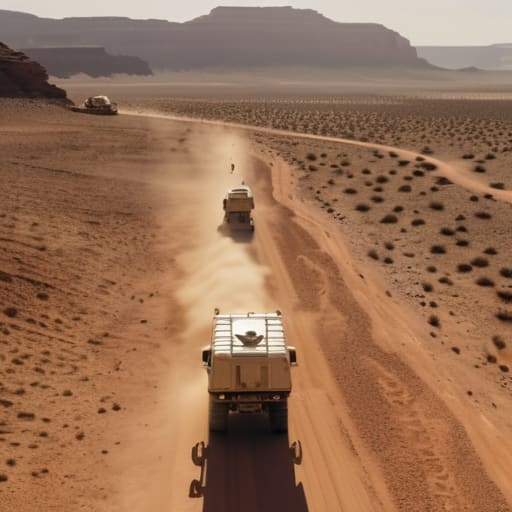
In the field, a security protocol isn’t some glossy PDF sitting on a headquarters’ server in Geneva; it is the difference between a successful delivery and a total mission collapse. I’ve seen teams try to fly close to the sun by ignoring local intelligence, thinking they can outrun the chaos. They can’t. Real risk mitigation in conflict zones isn’t about avoiding every single threat—that’s impossible—it’s about having a predictable, repeatable system for when the situation inevitably turns sideways. If your team doesn’t know exactly who to call when a checkpoint turns hostile, your entire supply chain is dead in the water.
Success is measured by the continuity of the flow. When we implement deconfliction mechanisms for aid, we aren’t just ticking a compliance box for the donors; we are ensuring that the local actors, the militias, and the formal military forces all know exactly where our trucks are supposed to be. Without that coordination, we aren’t humanitarian actors—we are just unpredictable variables in a combat zone. If the protocol fails, the truck stops. And if the truck stops, the medicine stays in the warehouse, and the entire mission becomes nothing more than a line item in a failed quarterly report.
Security is not a policy document
You can spend all day in a capital city reviewing risk assessments and colorful security maps, but none of that matters when you’re sitting in a dusty Hilux at a militia checkpoint. Real protection isn’t found in a thick manual or a high-level briefing; it’s found in whether your drivers know the local terrain, whether your radio frequencies are clear, and whether the community actually wants you there. If the logistics fail, the security protocol is just expensive paper.
Yusuf Lindqvist
The Bottom Line
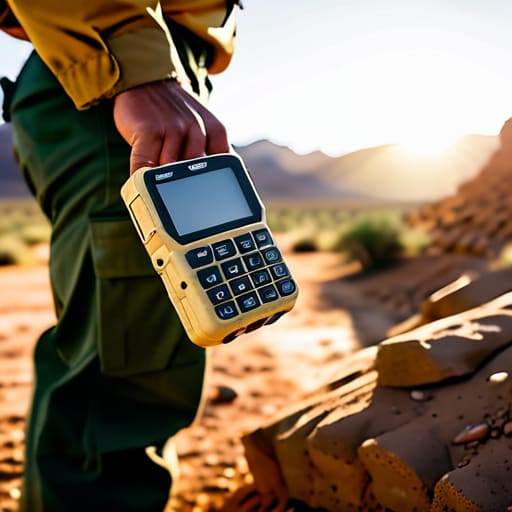
At the end of the day, security isn’t found in a glossy headquarters manual or a high-level diplomatic briefing. It is found in the granular reality of a well-timed radio check, a vetted local driver, and a clear understanding of the terrain before the sun goes down. We have spent this discussion looking at the frameworks, but the truth remains: if the security protocols fail, the entire operation collapses. You can have the most sophisticated digital tracking system in the world, but it won’t matter if your team doesn’t respect the local power dynamics at a roadside checkpoint. Logistics and security are the same heartbeat.
I have seen too many well-intentioned missions stall because they treated safety as an afterthought rather than the foundation. We don’t do this work for the accolades or the mission statements; we do it because the cargo needs to move and the people need the supplies. If we want to actually reach the people at the end of the supply chain, we must stop viewing protection as a hurdle and start seeing it as the only way forward. The mission only succeeds when the convoy arrives, the gates open, and the workers come home. The math is simple: no security, no aid.