
I remember sitting in a dusty warehouse outside Goma, staring at a stack of high-level policy briefs that promised “sustainable systemic shifts” while the actual truck carrying our vaccines was stuck in a mudslide fifty kilometers away. Everyone in the NGO circuit loves to talk about the grand theory of how countries transition out of donor support, using terms like “domestic resource mobilization” and “capacity building” to fill the silence. But those words don’t move cargo. In my nine years in the field, I learned that a country doesn’t transition because a new framework was signed in Geneva; it transitions when the local tax office can actually fund the fuel for the delivery trucks without waiting for a wire transfer from Brussels.
I’m not here to sell you on more academic jargon or the latest development buzzwords. This isn’t a lecture on macroeconomics; it’s a look at the mechanical reality of moving from dependency to autonomy. I am going to show you what actually happens when the foreign grants dry up and the local infrastructure is left to hold the weight. We will skip the sentiment and focus on the logistical backbone required to make self-sufficiency work.
Table of Contents
Official Development Assistance Reduction and the Empty Dock
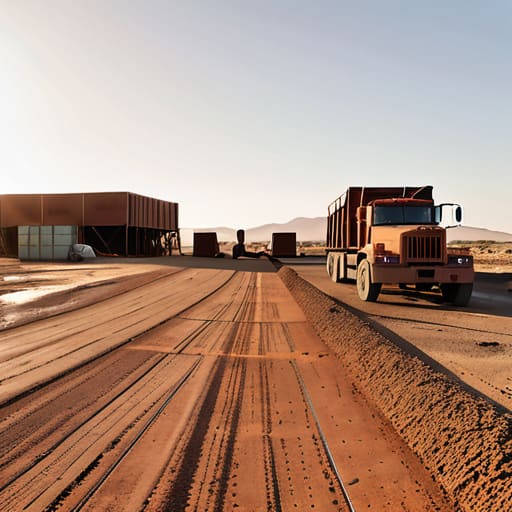
When a donor agency announces an official development assistance reduction, they usually frame it in a boardroom as “empowering local ownership.” To the people in the capital, it looks like a strategic pivot. But on the ground, it looks like an empty dock. I’ve seen it happen in three different provinces: the funding lines in the budget dry up, the procurement contracts expire, and suddenly, the trucks just stop coming. You can talk about fiscal autonomy and aid dependency all day in a seminar in Geneva, but autonomy doesn’t mean much if the local supply chain hasn’t been built to carry the weight once the foreign check clears.
The real danger isn’t just the loss of cash; it’s the sudden vacuum in the logistics chain. When a country begins to move through those middle income country economic shifts, there is a lag. The old systems designed for external support are dismantled, but the new, domestic systems aren’t yet robust enough to handle the volume. We focus too much on the macro-level transition and not enough on the micro-level reality: if the money stops and the local tax base isn’t ready to pick up the tab for the fuel, the warehouse stays locked. That is the true cost of a transition.
Chasing Post Aid Economic Resilience Over Hollow Promises
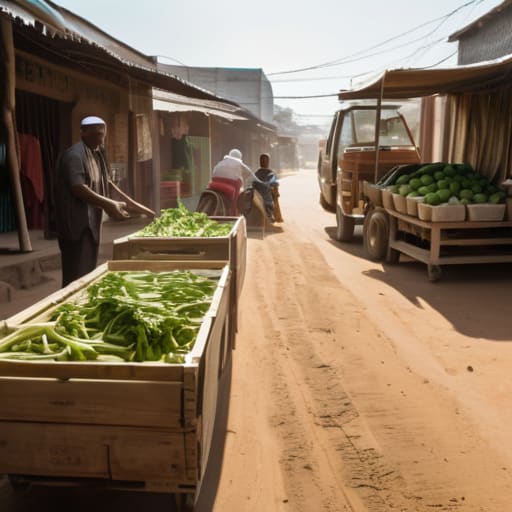
When I was working the corridors in Goma, I saw it constantly: the “capacity building” workshops that lasted three days and produced nothing but glossy binders. Everyone talks about post-aid economic resilience as if it’s a switch you flip once the grants dry up, but it’s actually about the plumbing. You can’t build a resilient economy on a foundation of imported expertise and external subsidies. True transition happens when a state stops looking for the next donor cycle and starts looking at its own tax base and internal trade routes. It’s the difference between a country that survives on handouts and one that actually owns its own supply chain.
The real friction occurs during middle income country economic shifts, where the old models of aid simply don’t fit the new reality. You see governments trying to pivot, but they are often hamstrung by the very systems designed to “help” them. They move from receiving direct grants to navigating complex loans, yet the core issue remains: the lack of fiscal autonomy. If a country can’t collect its own revenue to maintain its roads and clinics, it isn’t transitioning; it’s just changing the name of its creditor. Resilience isn’t a sentiment expressed in a UN report; it’s the ability to fund a shipment of vaccines using local treasury funds rather than waiting for a wire transfer from Geneva.
The Metric of Success
Don’t mistake a surge in foreign grants for progress; a country isn’t transitioning to self-reliance just because the donor checks are clearing. Real transition is when the local tax base starts paying for the fuel, the spare parts, and the driver’s salary, so the supply chain doesn’t collapse the moment the NGO pulls its last truck out of the depot.
Yusuf Lindqvist
The Last Manifest
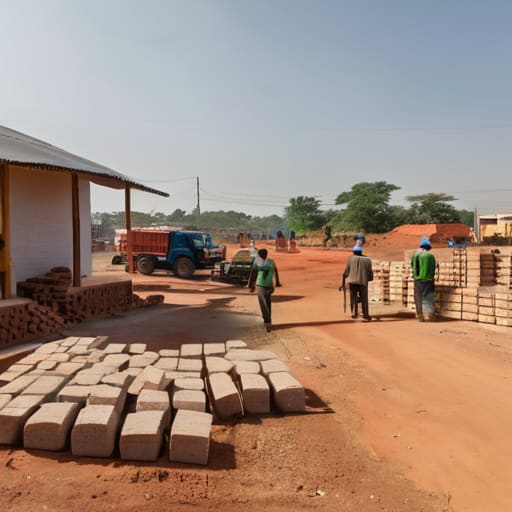
We can talk about macroeconomics and sovereign debt restructuring until we are blue in the face, but the transition away from aid isn’t found in a policy paper. It is found in the shift from external procurement to local supply chains. If a country is still waiting for a donor-funded shipment to fix its roads or stock its clinics, it hasn’t transitioned; it has just changed its creditor. Real resilience happens when the infrastructure of delivery is owned and maintained by the people living alongside it, not by a revolving door of international NGOs. The goal isn’t to stop the flow of money, but to ensure that the mechanics of survival are no longer tethered to a foreign budget cycle.
I have spent too many nights listening to the static on my shortwave radio, waiting for news of a convoy that never came because the funding dried up mid-transit. We have to stop measuring success by the size of the grant and start measuring it by the permanence of the system. Transitioning out of donor support is a messy, unglamorous grind of building domestic tax bases and strengthening local logistics. It isn’t a sudden leap, but a slow, deliberate building of capacity. When we finally stop looking at the appeal totals and start looking at the reliability of the local depot, that is when we know the work is actually done.