
I’ve sat through enough three-day security seminars in Geneva to know that most of the training is pure theater. They hand you a glossy binder filled with high-level risk assessments and talk about “mitigating variables,” but those binders don’t mean a damn thing when you’re sitting in a dusty Hilux outside a checkpoint in South Sudan. If you’re looking for a lecture on how to work safely in a hostile environment based on theoretical models and expensive consultant frameworks, you’ve come to the wrong place. Real security isn’t about the fancy software or the high-end satellite phones; it’s about the local driver’s intuition and whether or not you actually know which gates are open at 4:00 PM.
I’m not here to sell you on a sense of false security or a list of expensive gadgets. I’m going to give you the ground-level reality of what keeps a logistics chain moving when the situation turns sideways. This is about the unvarnished truth of field operations—the stuff they don’t put in the official NGO manuals. I’ll tell you how to navigate the chaos, manage your people, and ensure that when the dust settles, everyone is still standing and the cargo actually reached its destination.
Table of Contents
Mastering Situational Awareness Training Before the Storm Hits

Most people treat situational awareness training like a box-ticking exercise for the donor report. They sit in an air-conditioned room in Nairobi, watching a PowerPoint on how to spot a suspicious person, and then they head back to the field thinking they’re prepared. That’s a mistake. Real situational awareness isn’t about recognizing a specific face; it’s about the uncomfortable itch you get in your gut when the rhythm of a market changes or the local chatter suddenly goes quiet. If your training doesn’t teach you to read the subtle shifts in the local atmosphere, it’s just wasted paper.
You need to move beyond the theory of risk assessment in high-risk zones and focus on the mechanics of the environment. I’ve seen teams follow every emergency response procedure to the letter, only to get caught because they were too busy looking at their clipboards to notice the convoy ahead of them had stopped moving. You have to learn to see the gaps in the perimeter before they become holes. It’s about knowing the exits, the blind spots, and the exact moment a routine delivery turns into a standoff. If you aren’t practicing these observations daily, you aren’t ready for the storm.
Risk Assessment in High Risk Zones Is About Survival Not Paperwork
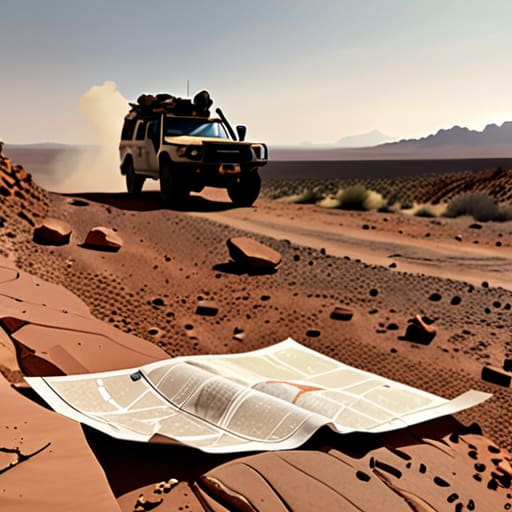
I’ve seen too many coordinators sitting in air-conditioned offices in Nairobi, color-coding spreadsheets and calling it a “risk assessment.” They think if they’ve ticked every box on the compliance form, the mission is safe. It isn’t. In the field, a formal document is just paper; it won’t stop a crowd from turning on your driver when the fuel runs low. Real risk assessment in high-risk zones isn’t about satisfying a donor’s audit requirements; it’s about knowing which dirt track to avoid because the local militia changed their checkpoint location overnight.
If you want to stay alive, you stop looking at the clipboard and start looking at the horizon. You need to understand that paperwork doesn’t mitigate kinetic threats. You learn to read the tension in a village market or the way a local official avoids eye contact. When things go south, you don’t reach for a manual; you rely on the de-escalation techniques for employees you practiced when you actually had the headspace to learn them. If your plan relies on a laminated sheet of paper to keep you safe during a riot, you’ve already failed the most basic test of the job.
## The reality of the perimeter
You can spend six months studying security theory in a climate-controlled room in Geneva, but once you’re sitting in a dusty Land Cruiser with a driver who’s too nervous to shift gears, all that theory is worth less than a half-empty jerrycan of diesel. Safety isn’t a certificate on your wall; it’s the ability to read the tension in a roadside checkpoint before you even roll down the window.
Yusuf Lindqvist
The Bottom Line
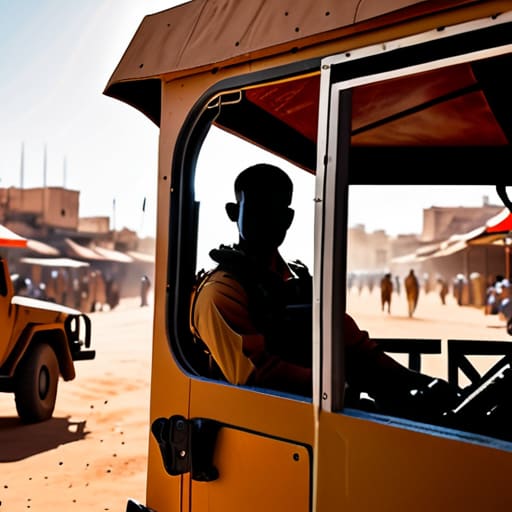
At the end of the day, safety isn’t a checklist you tick off in a climate-controlled office in Geneva. It is the cumulative result of your situational awareness, your refusal to treat risk assessments like mere administrative hurdles, and your ability to read a street before you even step out of the vehicle. You can have the most sophisticated security protocols in the world, but if you aren’t watching the way the crowd shifts or the way the local checkpoint officer is holding his rifle, those papers are just expensive kindling. Safety is a continuous, active process of observation and adaptation; it is the difference between a successful mission and a casualty report.
I have seen too many well-intentioned people lose their footing because they thought the rules would protect them. They won’t. Only your own discipline and your respect for the reality on the ground will do that. We go into these zones because the work matters, but the work only matters if you are there to finish it. Don’t mistake your gear for your competence. Stay sharp, keep your eyes on the horizon, and remember that the mission only succeeds if the people running it make it back to the base.