I spent a decade in South Sudan and eastern DRC watching high-level summits turn into glossy brochures, but I’ve never seen anything as disconnected from reality as the way people talk about global policy. You’ll sit in a briefing room in Nairobi and hear experts debate the nuances of what the sustainable development goals are, using words like “synergy” and “holistic frameworks” as if they actually mean something on the ground. But to me, those seventeen goals aren’t a collection of lofty ideals; they are a logistical checklist. If the goal is “Zero Hunger,” I don’t care about the colorful icon on the UN website—I care about whether the grain shipment cleared customs and if the trucks actually reached the warehouse before the rains started.
In this post, I’m stripping away the academic jargon and the expensive marketing fluff. I’m not here to give you a lecture on international diplomacy or a summary of a UN white paper. Instead, I’m going to show you how these objectives actually translate into physical movement—the movement of medicine, food, and infrastructure. We’re going to look at the reality of these goals through the lens of supply chains and delivery, because at the end of the day, a goal that doesn’t move is just a piece of paper.
Table of Contents
The Un 2030 Agenda Overview Beyond the Glossy Brochures
When you sit in a headquarters office in Geneva or New York, the UN 2030 agenda overview looks like a masterpiece of diplomatic engineering. You see seventeen colorful tiles, each representing a grand vision for the planet. But after a decade of watching diesel generators fail in sub-Saharan heat and tracking shipments of vaccines through mud-clogged corridors, I see something different. To me, these aren’t just aspirational pillars; they are a massive, unproven SDG implementation framework that relies entirely on the integrity of a thousand different supply chains.
The glossy brochures talk about the social and environmental impact of SDGs as if they are inevitable outcomes of good intentions. They aren’t. The reality is far more mechanical. You can have the most sophisticated United Nations development objectives written on high-grade bond paper, but if the local procurement office can’t source reliable tires or the customs clearance for solar components gets stuck in a bureaucratic loop for six months, those goals remain theoretical. Achieving the 17 goals isn’t a matter of consensus in a conference hall; it’s a matter of moving physical assets from point A to point B without them rotting, breaking, or being diverted.
Why Global Goals for Sustainable Development Demand Real Movement

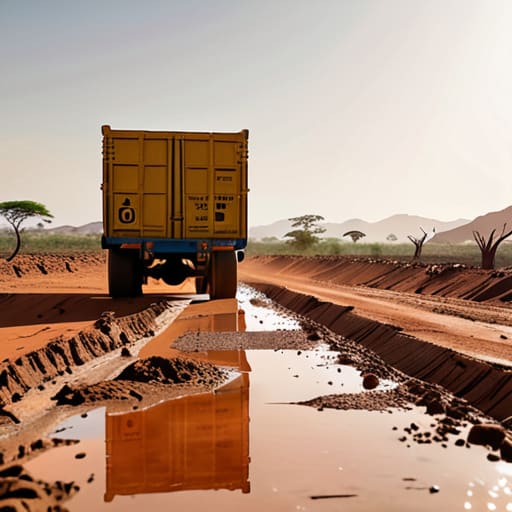
When I look at the UN 2030 agenda overview, I don’t see a roadmap for progress; I see a massive, unproven supply chain. You can draft the most sophisticated SDG implementation framework in a temperature-controlled office in Geneva, but that framework is functionally useless if it can’t navigate a washed-out road in South Sudan or a customs bottleneck in Mombasa. The gap between a high-level policy meeting and the actual social and environmental impact of SDGs is measured in kilometers and liters of diesel. If the policy doesn’t account for the physical reality of moving resources, it isn’t a plan—it’s just a wish list.
Achieving the 17 goals isn’t a matter of collective willpower or better rhetoric; it is a matter of coordinated execution. We talk about these global goals for sustainable development as if they are inevitable milestones, but they are actually dependent on the granular, unglamorous work of moving people, medicine, and equipment across borders. I’ve seen too many well-funded initiatives stall because someone forgot that a goal requires a vehicle, a driver, and a clear route. Until we stop treating these objectives as abstract ideals and start treating them as logistical imperatives, we are just moving paper, not changing lives.
The Gap Between Policy and Pavement
You can print a thousand glossy brochures about the SDGs, but a goal isn’t a goal until it’s translated into a waybill, a fuel requisition, and a driver who actually makes it through the rainy season. Everything else is just expensive stationery.
Yusuf Lindqvist
The Bottom Line on 2030

At the end of the day, the SDGs are nothing more than a massive, global inventory list. We have spent years categorizing what the world needs—water, health, education, infrastructure—but a list is not a delivery. You can have all seventeen goals printed on high-grade bond paper in a New York office, but they don’t mean a damn thing if the supply chain breaks at the border or the fuel shipment never clears customs. The transition from high-level policy to actual impact happens in the gap between the ambitious target and the physical reality of getting resources to the people who actually need them.
If we want these goals to be more than just a collection of expensive slogans, we have to stop obsessing over the sentiment of the progress reports and start looking at the movement of the goods. Real development isn’t measured by how many people sign a treaty; it’s measured by whether the clinic has the vaccines and whether the well actually holds water. We need to move past the glossy brochures and focus on the grit of implementation. Because in my experience, the only thing that truly changes a life is when the logistics actually work.