I spent a decade watching NGOs pour millions into “capacity building” workshops and glossy training manuals, all while the actual delivery chain sat in pieces. You see it in every quarterly report: high-level metrics about how community health workers are used to bridge the gap between clinics and villages, but nobody ever asks if those workers actually have the fuel for their motorbikes or the basic diagnostic kits they were promised. It is easy to write a beautiful strategy document in a Geneva conference room, but a strategy is just paper if the person on the ground is walking ten kilometers empty-handed because the procurement cycle failed.
I am not here to talk to you about theoretical frameworks or the “empowerment” buzzwords that clutter up donor briefings. I want to talk about the mechanical reality of field operations. Over the next few sections, I will break down how community health workers are used when the lights are off and the funding is tight. We are going to look at the logistical friction that determines whether a health intervention actually reaches a patient, or if it simply stays trapped in a warehouse.
Table of Contents
Bridging the Gap With Proven Public Health Outreach Strategies
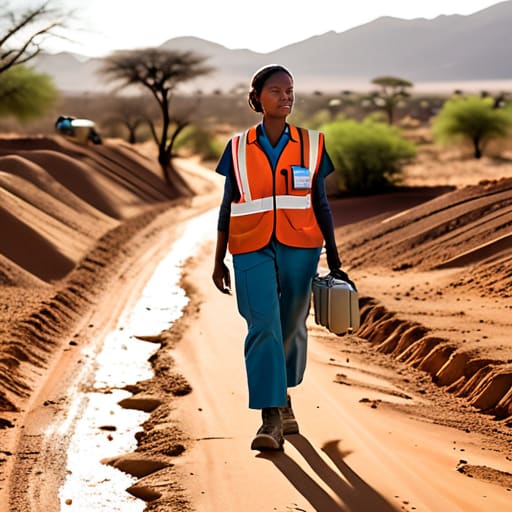
In my experience, the most sophisticated public health outreach strategies fail the moment they hit a dirt road that hasn’t been graded in three years. You can design the most efficient community-based healthcare models in a Geneva boardroom, but they are just paper if the person on the ground lacks the basic tools to execute. I’ve seen programs stall not because the science was wrong, but because the logistical backbone was missing. If a worker is tasked with monitoring malnutrition but has no way to transport samples or even a reliable way to report data back to the hub, the strategy is dead on arrival.
This is why we have to stop treating these workers as mere volunteers and start looking at them through the lens of CHW workforce development. It isn’t enough to just assign someone a task; you have to provide the infrastructure that allows that task to be completed. This means moving beyond vague notions of “empowerment” and focusing on concrete community health worker roles and responsibilities that include clear supply chains and standardized reporting. If they don’t have the kit, the training, or the transport, they aren’t a workforce—they’re just a line item in a budget that isn’t actually delivering anything.
Community Based Healthcare Models That Actually Deliver
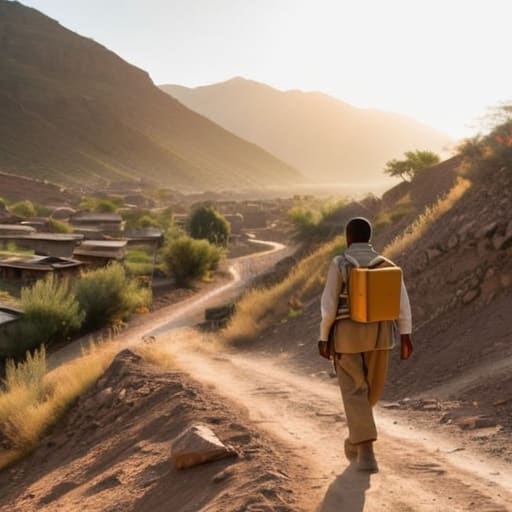
I’ve seen too many well-funded pilots collapse because they focused on the training manual instead of the supply chain. You can have the most sophisticated community-based healthcare models on paper, but if the person on the ground is walking ten kilometers with an empty kit, the model is a failure. Effective deployment relies on defining clear community health worker roles and responsibilities that account for local terrain and actual availability, not just what looks good in a donor report. A worker isn’t just a data collector; they are the final, physical link in a chain that starts in a warehouse thousands of miles away.
Real impact happens when we stop treating these workers as volunteers and start treating them as a professionalized tier of the system. This means moving beyond ad-hoc training and focusing on long-term CHW workforce development. If a worker isn’t supported by a reliable stipend or a clear path for advancement, they won’t be there when the rainy season hits and the roads turn to sludge. We need to prioritize improving health equity through CHWs by ensuring they have the same logistical reliability as any other essential service. It isn’t about the elegance of the strategy; it’s about the durability of the person holding the thermometer.
The Last Mile Reality
You can fund a thousand training workshops and print a million brochures, but a community health worker is only as effective as the supply chain behind them; if they reach a mother with nothing but a clipboard and an empty bag, the entire system has failed.
Yusuf Lindqvist
The Last Mile is the Only Mile That Matters

We can talk about sophisticated healthcare models and high-level public health strategies until we are blue in the face, but none of it changes the fundamental reality of the field. Community health workers are not just “human resources” or “implementers” in a donor report; they are the physical link between a supply chain and a human life. Without them, the most advanced medical protocols remain nothing more than expensive paper sitting in a warehouse. They are the ones who navigate the washed-out roads, find the households that don’t show up on a map, and ensure that the medicine actually makes it into the patient’s hand. At the end of the day, the success of any health initiative is measured by the integrity of that final connection.
If you want to know if a program is working, stop looking at the glossy brochures and start looking at the delivery logs. Don’t ask me about the theoretical impact of a new health policy; ask me if the community worker had the transport, the training, and the supplies to reach the village yesterday. The true heart of development isn’t found in a grand vision or a massive appeal total, but in the quiet, unglamorous work of showing up when the terrain gets difficult. We don’t need more sentiment; we need more reliable systems that empower these workers to do what they do best: bridge the gap.