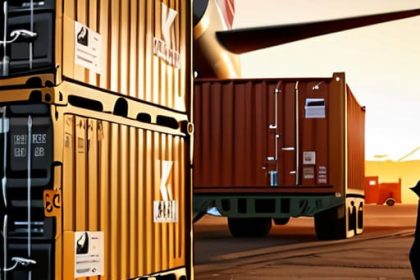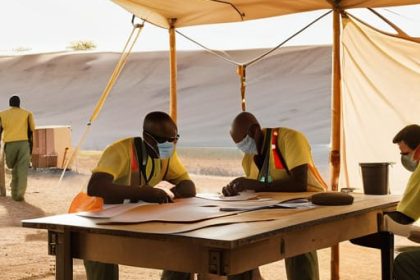
I spent nine years in East and Central Africa watching people mistake a well-worded mission statement for actual progress. You’ll see glossy annual reports filled with lofty language about neutrality and impartiality, but if you want to know how humanitarian principles work in practice, you don’t look at the glossy paper. You look at the mud on the tires of a 10-ton truck. I’ve sat in humid, windowless offices where directors debated the theoretical nuances of humanitarian access while, in reality, the only thing that mattered was whether we had the right paperwork to cross a specific checkpoint without getting our cargo seized.
In this series, I am not going to sell you on the idealism of the sector. I’m going to tell you how these principles actually dictate the movement of goods, the negotiation with local warlords, and the brutal reality of the supply chain. I’ll show you that the true test of any principle isn’t found in a textbook, but in the logistical friction that occurs when theory meets a broken road. This is about the unvarnished reality of getting aid from a warehouse to a human being who needs it.
Table of Contents
Operationalizing Humanitarian Values Beyond the Brochure
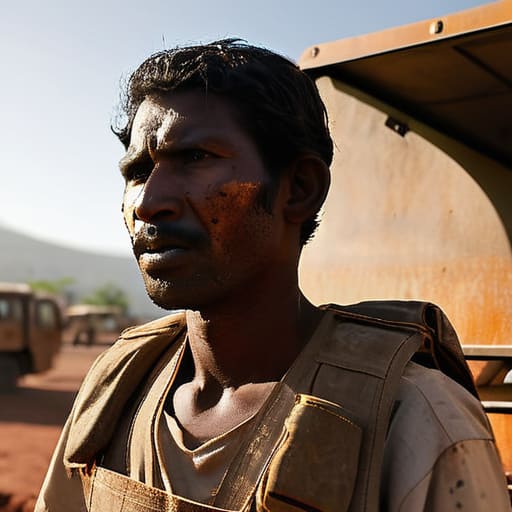
Operationalizing humanitarian values beyond the brochure means making decisions when the radio goes silent and the road ahead is blocked by a checkpoint. In a headquarters office in Geneva, neutrality is a clean, theoretical concept. In a dusty transit hub outside Goma, it is a grueling, daily negotiation. You don’t implement humanitarian aid ethics by reading a manual; you do it by deciding which convoy gets the limited fuel when two different factions are demanding passage. If you lean too far toward one side, you lose access to the other, and suddenly, the principle of impartiality becomes a moot point because the trucks aren’t moving at all.
The real friction occurs when you encounter the challenges of neutrality in conflict zones. It is easy to be neutral when everyone agrees with your mission. It is much harder when a local commander views your medical supplies as a strategic asset for his militia. At that moment, the high-minded language of humanitarian action and international law stops being a shield and starts being a set of constraints you have to navigate with nothing but a manifest and a heavy conscience. You aren’t thinking about global policy; you are thinking about whether your driver can pass the gate without being searched for contraband.
Why the Lorry Matters More Than the Story

Donors love a narrative. They want the high-definition footage of a child receiving a meal or the sweeping shots of a newly built well. But in my experience, those stories are secondary to the mechanics of the supply chain. You can have the most moving campaign in the world, but if the axle snaps on a flooded road in South Sudan, that story is just a lie. To me, humanitarian aid ethics isn’t found in a glossy annual report; it is found in the grueling, unglamorous work of ensuring the cargo actually reaches its destination.
When I was managing fleets in the Great Lakes region, I learned that impartiality in disaster relief is a logistical calculation, not just a moral stance. It means deciding which route is safe enough to carry the medicine through, regardless of which faction controls the checkpoint. It means understanding that if you can’t move the goods, your principles are just expensive words. The real test of whether we are upholding ICRC humanitarian principles isn’t how much we say about them, but whether the truck—loaded with the right supplies, in the right quantity, at the right time—finally rolls into the village.
## Principles vs. Pavement
“Neutrality isn’t a philosophical debate held in a Geneva conference room; it’s the split-second decision a driver makes when a local militia demands a ‘tax’ at a checkpoint, knowing that if he pays, he’s compromised, but if he doesn’t, the vaccines rot in the heat.”
Yusuf Lindqvist
The Bottom Line
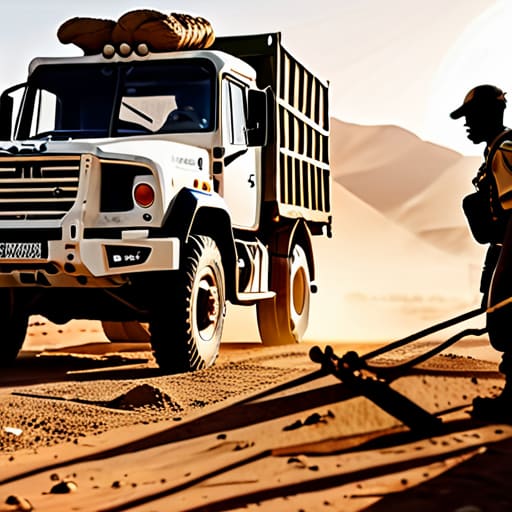
At the end of the day, humanitarian principles aren’t found in the glossy annual reports or the high-level summits in Geneva. They are found in the grit of the supply chain. We’ve seen that neutrality isn’t just a concept; it’s the decision to negotiate with a local warlord to ensure a shipment of cholera kits isn’t seized at a checkpoint. Impartiality isn’t a sentiment; it’s the cold, hard math of prioritizing a convoy based on actual need rather than political ease. If the logistics fail, the principles are nothing more than expensive ink on a page. The principles only exist when they are operationalized through action, turning abstract values into physical movement on the ground.
I know it isn’t glamorous. Most people want to hear about the lives changed and the tears shed, but I prefer to look at the dusty, battered manifests of a successful delivery. If you want to honor the spirit of aid, stop looking at the fundraising totals and start looking at the integrity of the delivery. True humanitarianism is found in the quiet, unsentimental success of a mission completed against all odds. It is the realization that while the world watches the headlines, our real work is measured by the simple, profound reality of the cargo that actually arrived.